When it comes to creating a well-organized kitchen, it can often feel like a daunting task, especially in Nigerian homes where space can be limited. But fear not, achieving an efficient kitchen organization is entirely doable and can transform your cooking space into a haven of order and creativity.
In this guide, we'll explore practical tips to help you maximize your kitchen space, making it not only functional but also a joy to work in. Whether you're a busy professional or a home cook feeding a large family, these organization strategies are designed with the Nigerian kitchen in mind.
By the end of this article, you'll have a toolkit of ideas to make your kitchen not just look great, but function at its best. Let's embark on this journey to streamline your kitchen!
Assessing Your Kitchen Space
Understanding Your Layout
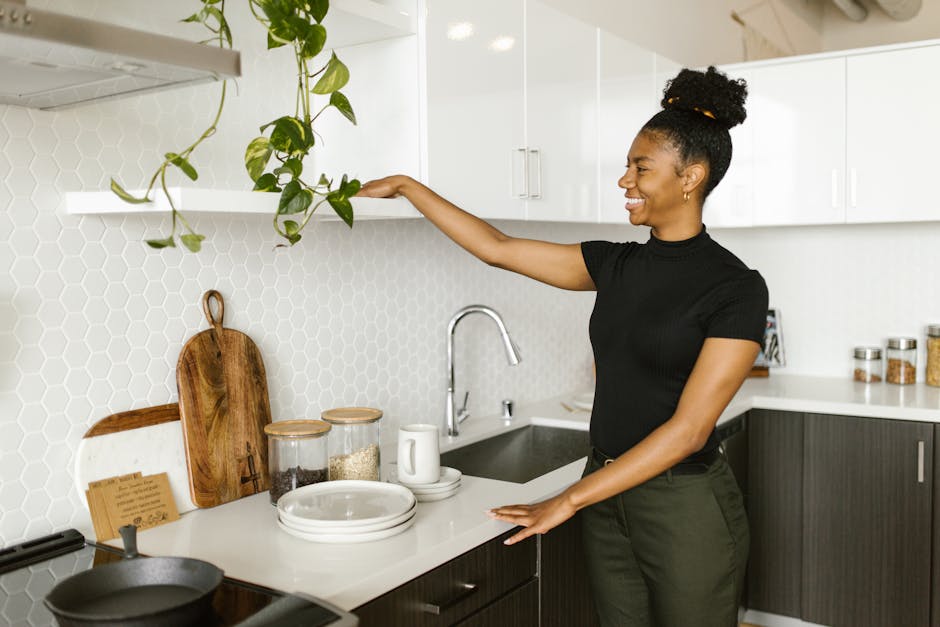
The first step in organizing your kitchen is to understand the layout. Knowing where your sink, stove, and refrigerator are placed can help you create efficient work zones. This triangle setup is key for a smooth workflow.
Identifying Storage Needs
Consider what you use most frequently and ensure these items are easily accessible. Categorize your items into everyday use, occasional use, and rarely used.
- Everyday Use: Plates, cooking utensils, pots, and pans.
- Occasional Use: Party platters, special cooking equipment.
- Rarely Used: Seasonal items, special occasion dinnerware.
By categorizing, you can prioritize where these items should be stored for maximum efficiency.
Maximizing Storage Potential
Utilizing Vertical Space
Often, we overlook the potential of vertical storage. Consider installing shelves or hanging racks to store items like pots, pans, and even spices.
"Vertical space is often your best friend in a small kitchen. Make use of every inch."
Smart Cabinet Solutions
Invest in adjustable shelves, pull-out storage, and under-shelf baskets. These can dramatically increase your cabinet's capacity without causing clutter.
- Adjustable Shelves: Allows flexibility in storing different sized items.
- Pull-out Storage: Makes accessing pots and pans a breeze.
- Under-shelf Baskets: Perfect for storing lids or small items.
Decluttering for Efficiency
The Art of Letting Go
It's time to part with duplicate items and those you rarely use. This step is crucial in making room for essentials and ensuring your kitchen stays organized.
Frequency of Use
Keep only what you use frequently at the forefront. Items like everyday knives, cutting boards, and spices should be easily reachable.
"If you haven't used it in the last six months, it might be time to let it go."
Labeling and Categorizing
Effective Labeling Systems
Labels are your best friend when it comes to keeping track of where everything is. Use clear labels for spices, grains, and dry goods.
Grouping Like Items
Store similar items together. For instance, keep all baking supplies in one area and cooking utensils in another.
- Spices: Organize alphabetically or by frequency of use.
- Grains and Pasta: Store in clear containers for easy identification.
- Utensils: Group by function — cooking, baking, serving.
Creating Functional Zones
Work Zones Defined
Create specific zones for preparation, cooking, and cleanup. This will streamline your cooking process and keep your kitchen orderly.
Setting Up a Prep Area
Your prep area should be equipped with cutting boards, knives, and bowls. Keep this area clutter-free for efficiency.
"A well-defined prep zone can make cooking less stressful and more enjoyable."
Conclusion
Transforming your Nigerian kitchen into a model of organization doesn't have to be overwhelming. By assessing your space, maximizing storage, decluttering, and categorizing effectively, you can create a kitchen that is not only beautiful but also highly functional.
Remember, the key to maintaining an organized kitchen is consistency. Regularly reassess your storage solutions and be diligent about keeping clutter at bay. With these strategies, your kitchen will be a place of inspiration and joy, making every cooking experience a delight.