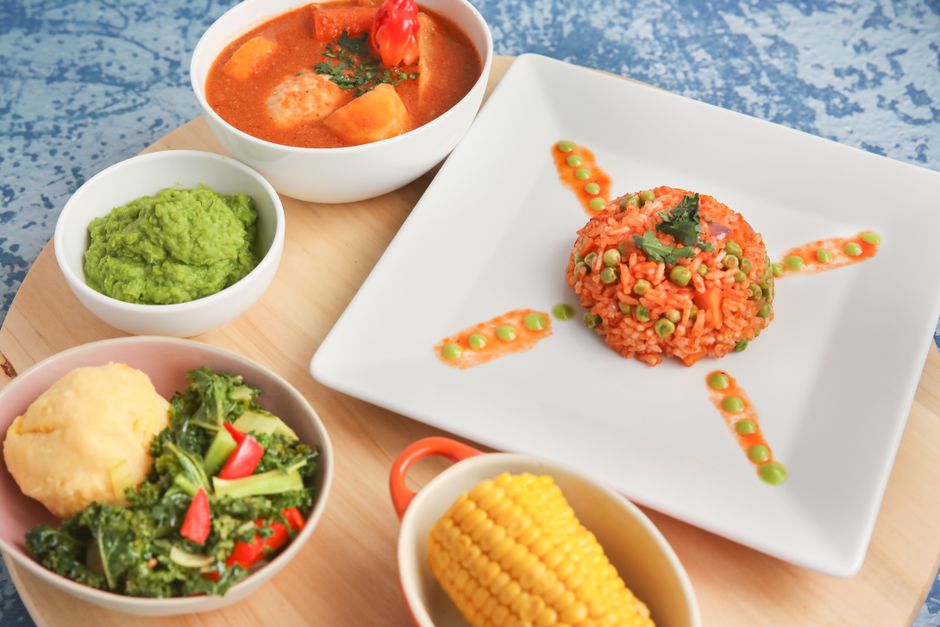
Few dishes evoke the vibrant culinary heritage of Nigeria quite like Jollof Rice. This beloved dish is not just a staple but a celebration of flavors that unite families and friends at every occasion. Whether you're a seasoned cook or a kitchen novice, mastering Jollof Rice is an essential skill that opens doors to a plethora of traditional Nigerian meals. But how do you achieve that perfect balance of spices, the right texture, and the iconic reddish color? Join us on this flavorful journey as we delve into the art of cooking Jollof Rice, Nigeria's iconic dish, and discover the secrets to making it a memorable meal every time.
In this guide, we'll walk you through the history, ingredients, and step-by-step process of creating this delightful dish. Expect to learn not only how to make Jollof Rice but also how to adapt it to your taste and preferences while maintaining its authentic essence. So, grab your apron, and let's journey into the heart of Nigerian cuisine!
The Rich History of Jollof Rice
Before you whip out your pot and ladle, it's important to appreciate the storied history of Jollof Rice. Originating from the Senegambian region, this dish has transcended its roots to become a unifying culinary emblem across West Africa. In Nigeria, Jollof Rice stands out as a cultural icon — featured at weddings, birthdays, and even political gatherings.
The Journey Across Africa
The tale of Jollof Rice is one of migration and adaptation. As it made its way through West Africa, each country added its unique twist, leading to regional debates on whose version reigns supreme. While the rivalry continues, there's no denying that each version brings something special to the table.
Nigerian Jollof: A Nation's Pride
In Nigeria, Jollof Rice has evolved into a national pride. Known for its rich tomato base and aromatic spices, it embodies the warmth and hospitality Nigeria is known for. Here, it's not just food — it's the centerpiece of Nigerian gatherings, symbolizing community and joy.
The Essential Ingredients for Jollof Rice
Creating the perfect Jollof Rice starts with gathering the right ingredients. While recipes may vary, the core components remain the same, ensuring that your dish is both authentic and delicious.
Basic Ingredients
- Rice: Long-grain parboiled rice is preferred for its ability to absorb flavors without becoming mushy.
- Tomatoes: Fresh tomatoes combined with tomato paste create the signature red color.
- Onions: Essential for depth of flavor, adding sweetness and aroma.
- Peppers: Scotch bonnet peppers provide heat, while bell peppers add sweetness.
Spices and Herbs
- Thyme and Bay Leaves: These herbs elevate the flavor, adding depth and aroma.
- Curry Powder: A touch of curry powder complements the tomato base beautifully.
- Seasoning Cubes: A staple in Nigerian cooking, adding umami and richness.
Step-by-Step Guide to Cooking Jollof Rice
Now that you've gathered your ingredients, it's time to dive into the cooking process. Follow these steps for a Jollof Rice that will impress even the toughest critics.
Preparation
Start by prepping your ingredients. Blend the tomatoes, peppers, and onions into a smooth mix, creating the base sauce for your Jollof Rice. This step ensures even cooking and flavor infusion.
Cooking the Base
In a large pot, heat some oil and fry the blended mix until the raw smell dissipates. Add tomato paste and continue frying until the oil begins to separate from the sauce, indicating it's well-cooked.
Incorporating the Rice
Add the rice to your cooked sauce, stirring to ensure each grain is coated. Pour in enough water or stock to cook the rice, and cover with foil and a lid to trap steam, ensuring even cooking.
Simmering to Perfection
Cook on low heat, allowing the rice to absorb the flavors and achieve the desired texture. Stir occasionally, but avoid over-stirring to prevent breaking the rice grains.
"Patience and low heat are key to achieving the perfect Jollof Rice texture — fluffy and flavorful."
Common Mistakes and How to Avoid Them
Overcooking the Rice
Keep an eye on the cooking time and liquid quantity. Overcooked rice can become mushy, detracting from the desired texture.
Using the Wrong Rice Type
Always opt for long-grain parboiled rice or a trusted brand you know works well. Short-grain rice won't give you the same results.
Not Enough Seasoning
Be liberal with spices and herbs. The key to delicious Jollof Rice is a rich, well-seasoned base.
Conclusion
Whether you're preparing it for a festive gathering or a quiet dinner at home, Jollof Rice is a dish that embodies the heart and soul of Nigerian culture. With this guide, you're equipped not just to cook, but to create a meal that resonates with tradition and flavor. Enjoy the process, savor each bite, and share the joy of Jollof with those around you.