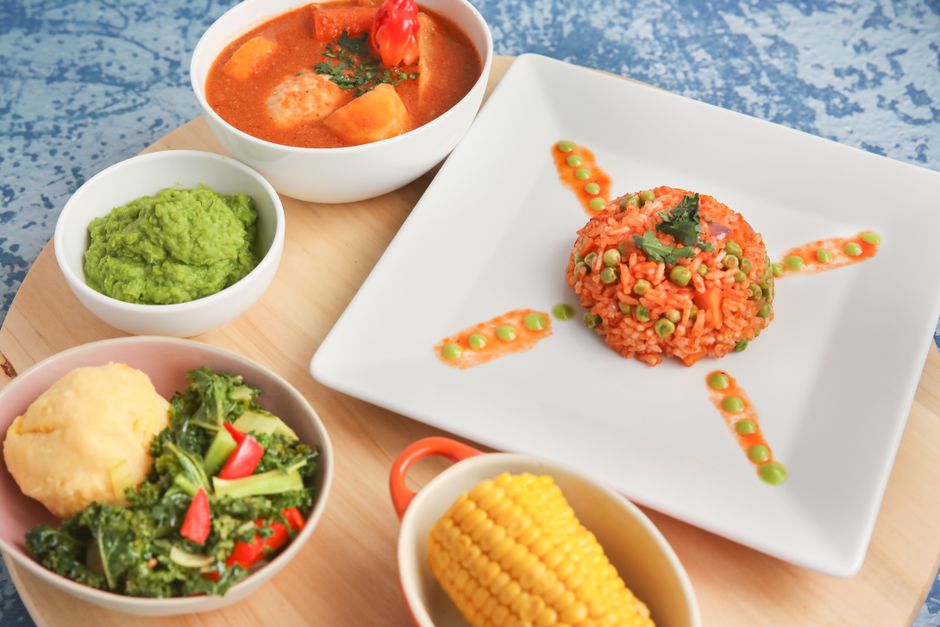
Jollof Rice, a quintessential Nigerian dish, holds a celebrated spot on the tables of many homes across West Africa. Known for its vibrant color and tantalizing flavors, it's more than just a meal; it's a cultural phenomenon. Whether you're preparing it for a festive occasion or a casual family dinner, mastering Jollof Rice can elevate your culinary skills and bring joy to your dining table.
Many have attempted to replicate the perfect Jollof Rice, yet few have unlocked the secrets to its consistent success. From selecting the right ingredients to perfecting the cooking technique, every step plays a crucial role in achieving that desired taste and texture. Let's dive into the world of Jollof Rice and uncover the art of perfecting this beloved dish.
In this comprehensive guide, we’ll explore practical tips and techniques to help you cook Jollof Rice that will leave your guests asking for more. Whether you're a seasoned cook or a kitchen novice, our detailed insights will provide you with everything you need to know about preparing this iconic dish.
Choosing the Right Ingredients
The Core Components
The foundation of any great Jollof Rice starts with high-quality ingredients. The core components include rice, tomatoes, peppers, onion, and spices. Opt for long-grain parboiled rice, which absorbs flavors well without becoming mushy.
"Consistency in the texture of the rice is key to excellent Jollof Rice. Long-grain rice is ideal for achieving this."
Spices and Seasonings
Spices are essential in creating the rich flavor of Jollof Rice. Common seasonings include thyme, curry powder, bay leaves, and bouillon cubes. Adjust these to your taste preferences, but remember that balance is crucial.
- Thyme: Adds a subtle earthy flavor
- Curry powder: Provides warmth and depth
- Bay leaves: Enhance aroma and taste
- Bouillon cubes: Intensify flavor and richness
Preparing the Base Sauce
Tomato-Pepper Blend
The base sauce, a blend of tomatoes, red peppers, and scotch bonnet, is where Jollof Rice gets its signature taste. Puree these ingredients to create a smooth sauce that serves as the flavor backbone of the dish.
Choosing fresh tomatoes and ripe red peppers is crucial, as they provide sweetness and balance the heat from the scotch bonnet peppers.
The Cooking Process
Layering Flavors in Stages
Cooking Jollof Rice involves layering flavors at different stages. Start by frying the base sauce in oil, allowing the ingredients to meld and deepen in flavor. This crucial step transforms the raw tomato taste into a rich, savory base.
Once the sauce is ready, add the rice and ensure each grain is coated with the sauce. Simmer over low heat to allow the rice to absorb the flavors slowly, ensuring a well-integrated dish.
Avoiding Common Pitfalls
A common mistake is using too much water, which can result in soggy rice. Use a 2:1 ratio of liquid to rice and cover with a tight-fitting lid to trap steam for even cooking.
"Patience is key. Allow the rice to cook slowly over low heat, and resist the urge to stir frequently."
Adding Personal Touches
Incorporating Protein and Vegetables
Enhance your Jollof Rice by adding proteins like chicken, beef, or shrimp. Marinate these with complementary spices before cooking them separately, then add to the rice towards the end of the cooking process.
Vegetables such as carrots, peas, and green beans can be included for extra nutrients and color. Add these towards the end to maintain their texture and vibrancy.
Final Thoughts
Mastering Jollof Rice is a rewarding experience that connects you with a cherished culinary tradition. With the right ingredients, careful preparation, and a touch of patience, you can create a dish that captures the heart and spirit of Nigerian cuisine.
Remember, practice makes perfect. Each attempt will bring you closer to crafting the perfect Jollof Rice that delights your taste buds and those of your loved ones.