Have you ever wondered why some kitchens seem to function effortlessly while others feel chaotic no matter how hard you try to keep them tidy? The secret often lies in effective kitchen organization. For many Nigerian households, the kitchen is not just a place to prepare meals; it's the heart of the home. A well-organized kitchen can transform cooking from a chore into a delightful experience, making it a hub of family activity and creativity.
Whether your kitchen is spacious or compact, organizing it can make a world of difference. Not only does it enhance your cooking efficiency, but it also significantly reduces stress. Imagine reaching for your favorite spice or kitchen tool without rummaging through cluttered drawers! In this comprehensive guide, we'll explore practical strategies to maximize your kitchen space, ensuring it's both functional and inviting.
Join us as we delve into various aspects of kitchen organization, tailored specifically for Nigerian kitchens. From decluttering and storage solutions to clever hacks that optimize space, you'll find plenty of tips to transform your cooking area into a model of efficiency and order.
Understanding Your Kitchen Layout
Assess Your Space
Before diving into the organization process, it's crucial to assess your kitchen space. Take note of key areas such as your countertops, cabinets, and drawers. Understanding your layout helps identify which areas need immediate attention and how best to utilize them.
Consider the flow of movement. The goal is to create a seamless workflow from one task to another, minimizing unnecessary steps. This means having frequently used items within easy reach and less-used items stored away.
Identify Functional Zones
Divide your kitchen into functional zones: preparation, cooking, cleaning, and storage. This zoning approach ensures each area serves its purpose without interfering with another. It helps streamline tasks, making cooking more efficient.
- Preparation Zone: Includes countertops and all necessary utensils for meal prep.
- Cooking Zone: The area around your stove or oven, including pots, pans, and spatulas.
- Cleaning Zone: Sink area with dishwashing essentials.
- Storage Zone: Cabinets and pantry for storing ingredients and tools.
Declutter and Simplify
Start with a Clean Slate
The first step in organizing any kitchen is to declutter. Remove everything from your countertops, cabinets, and drawers. This may seem daunting, but it's essential for assessing and prioritizing what you truly need.
“Less is more. By keeping only the essentials, you make room for efficiency and creativity.”
Keep, Donate, or Discard
Sort items into three categories: keep, donate, or discard. Be ruthless when making these decisions. If you haven't used an item in the last six months, it's time to let it go. Donate utensils and appliances that are in good condition, and discard anything broken or unnecessary.
Consider implementing a one-in-one-out rule to prevent future clutter. This means for every new item you bring into your kitchen, another must go.
Maximize Storage Solutions
Utilize Vertical Space
In many Nigerian kitchens, space is at a premium. Making use of vertical space can significantly increase your storage capacity. Install shelves or pegboards on walls to store pots, pans, and utensils. This not only saves space but also keeps your tools easily accessible.
Innovative Cabinet Organizers
Cabinets can quickly become cluttered, making it difficult to find what you need. Invest in pull-out shelves, stackable racks, or clear bins to keep items organized and visible. Label containers clearly for easy identification.
- Lazy Susans: Perfect for corner cabinets.
- Under-Shelf Baskets: Utilize the space beneath shelves.
- Drawer Dividers: Keep cutlery and tools neatly separated.
Streamline Countertops
Essential vs. Non-Essential Items
Countertops should be reserved for essential items only. Keep out what you use daily, such as a coffee maker or toaster. Store other appliances like blenders and mixers in cabinets to free up space.
“A clear countertop is the foundation of a clear mind. Keep it clutter-free.”
Decorative yet Functional
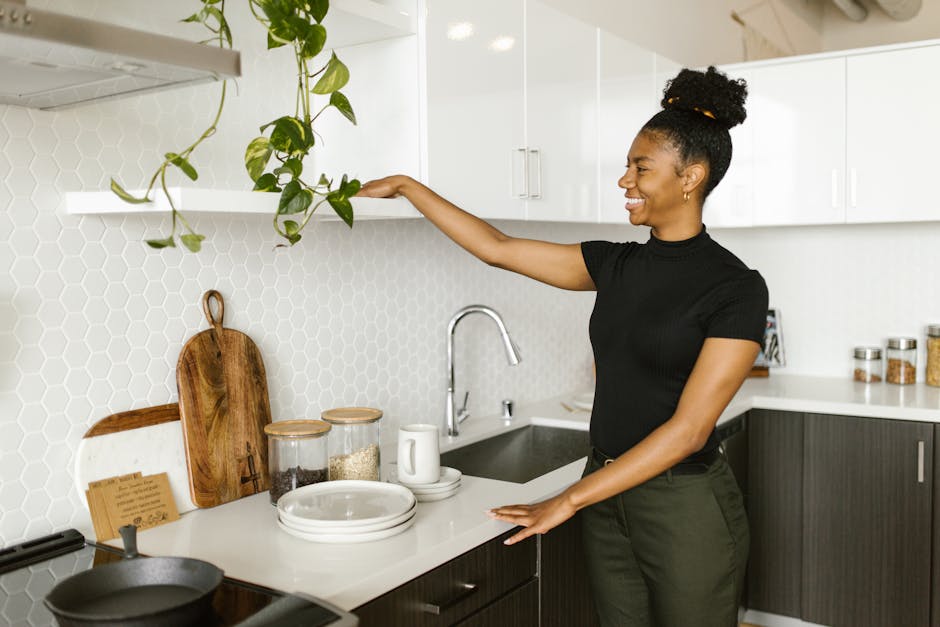
While functionality is key, there's no reason your kitchen shouldn't look good too. Incorporate decorative elements that also serve a purpose. For example, stylish jars for storing frequently used ingredients like rice or beans can add charm while keeping essentials at hand.
Maintain Your Organized Kitchen
Regular Cleaning Routine
Maintaining an organized kitchen requires regular upkeep. Establish a cleaning routine that includes wiping down countertops, cleaning out the fridge, and reorganizing cabinets as needed. This helps prevent clutter from accumulating over time.
Involve the Household
Encourage everyone in the household to contribute to maintaining the kitchen's organization. Assign tasks or zones to keep everyone engaged and invested in the kitchen's upkeep.
Conclusion
By implementing these practical kitchen organization strategies, you can transform your cooking space into a stress-free, efficient, and inviting environment. Remember, the heart of your home deserves as much love and attention as the meals you prepare within it. Now, go ahead and enjoy the magic of a well-organized kitchen!