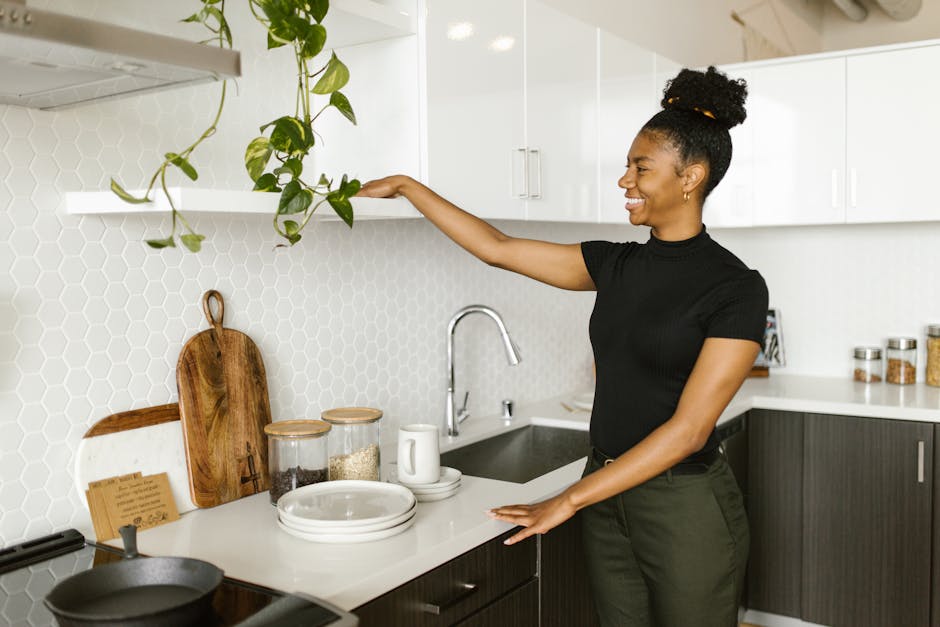
In the hustle and bustle of daily life, the kitchen often becomes the heart of our homes. Whether you're preparing a simple meal or an elaborate feast, having an organized kitchen can make all the difference. Unfortunately, many of us find ourselves in a constant battle against clutter, struggling to keep our cooking spaces neat and efficient. But worry not! With a few strategic tweaks, you can transform your kitchen into a well-organized haven that meets the needs of a busy Nigerian household.
Imagine opening your kitchen cabinets to find everything you need at your fingertips, or walking into a space where every appliance and utensil has its place. These aren't just dreams—they're achievable realities. Let’s dive into some practical, actionable strategies that will revolutionize your kitchen organization.
Understanding Your Kitchen Layout
The first step in organizing your kitchen is understanding the layout. Every kitchen has its unique shape and size, whether a compact apartment kitchen or a sprawling space in a large family home.
Maximizing Vertical Space
One of the most underutilized spaces in any kitchen is the vertical space. This is particularly true in Nigerian homes, where storage is often a premium. Consider installing shelves or hooks on walls to store pots, pans, or utensils.
- Use wall-mounted racks for spices and cooking oils.
- Install pegboards to hang kitchen tools.
- Consider overhead pot racks for larger cookware.
"Vertical space is a game-changer in kitchen organization. It frees up counter space and keeps essentials within reach."
Creating Efficient Work Zones
Designate specific areas in your kitchen for different tasks, such as prepping, cooking, and cleaning. This approach reduces clutter and increases efficiency.
- Place chopping boards and knives near the prep area.
- Keep pots and pans close to the stove.
- Store cleaning supplies under the sink.
Smart Storage Solutions
Smart storage is the backbone of an organized kitchen. With the right tools and techniques, even the smallest kitchens can become functional and clutter-free.
Drawer Dividers and Organizers
Drawers can quickly become a jumbled mess without proper organization. Use dividers and organizers to keep utensils, cutlery, and gadgets tidy.
- Invest in adjustable drawer dividers.
- Use small baskets for loose items like bottle openers.
- Labels can help identify drawer contents quickly.
Utilizing Cabinet Space
Cabinets are often crowded with dishes, glasses, and food items. Make the most of this space by using cabinet organizers.
- Install pull-out shelves for easy access.
- Use tiered organizers to stack items vertically.
- Consider lazy Susans for corner cabinets.
Optimizing Pantry Storage
A well-organized pantry is a cornerstone of an efficient kitchen. It allows you to keep track of your food inventory and prevents wastage.
Labeling and Categorizing
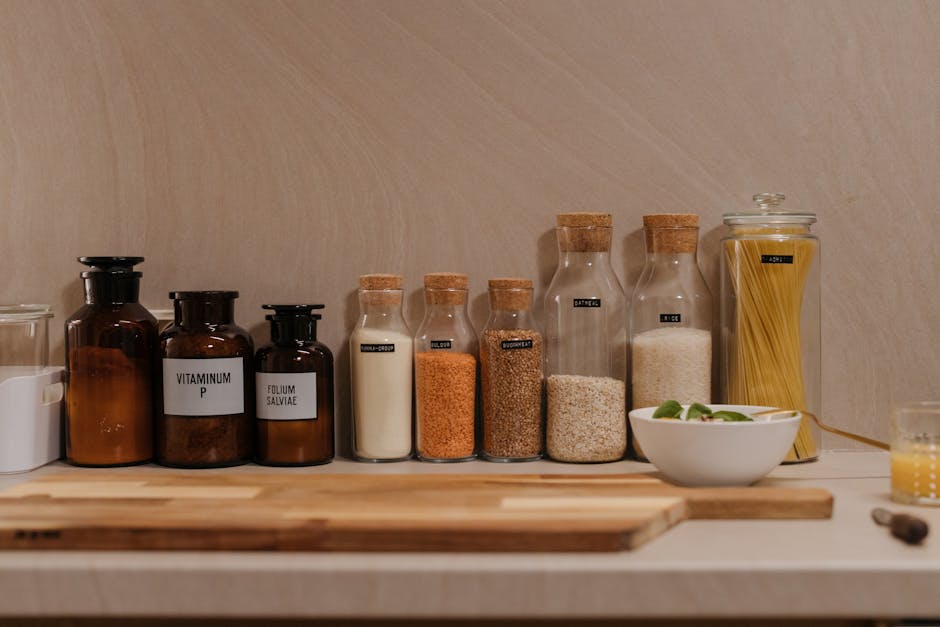
Labels are your best friend when it comes to pantry organization. They help in identifying items and maintaining a system.
- Use clear containers for grains and pulses.
- Label shelves by category (e.g., baking, snacks).
- Rotate items to ensure older stock is used first.
"A labeled pantry is not just aesthetically pleasing; it simplifies meal prep and reduces food waste."
Making Use of Door Space
Don’t overlook the potential for storage on the inside of pantry doors. These are perfect for smaller, frequently used items.
- Install wire racks for spices and condiments.
- Use adhesive hooks for measuring spoons.
- Hang a chalkboard for shopping lists.
Maintaining an Organized Kitchen
Once your kitchen is organized, maintaining it is crucial. Set aside time each week to tidy up and reassess your storage solutions.
Regular Decluttering
Make it a habit to declutter your kitchen regularly. This helps to prevent the buildup of unnecessary items and keeps your space functional.
- Donate or discard items you haven't used in a year.
- Regularly clean and sanitize storage areas.
- Reassess and adjust your organization system as needed.
Monthly Kitchen Inventory
Conduct a monthly inventory to keep track of your kitchen supplies. This can prevent overstocking and ensure you have essentials on hand.
- Check expiration dates on food items.
- List out-of-stock items for restocking.
- Adjust your grocery shopping based on inventory.
Conclusion
An organized kitchen is more than just an aesthetic goal; it's a practical necessity for busy Nigerian households. By understanding your kitchen's layout, implementing smart storage solutions, and maintaining your space, you can create a seamless cooking experience. Remember, the key to a clutter-free kitchen is consistency. Embrace these tips and enjoy a well-organized kitchen that serves as a delightful space for culinary creativity.