In every Nigerian home, the kitchen is more than just a place to cook meals; it's the heart of the household. Amidst the hustle and bustle of daily life, maintaining an organized kitchen can seem like an unattainable goal. However, with some practical kitchen organization tips, you can transform your space into an efficient and harmonious haven. These strategies will not only streamline your cooking process but also enhance your overall kitchen experience. Whether you live in a cozy Lagos apartment or a spacious family home in Abuja, these tips are designed to meet your needs.
Imagine walking into your kitchen, and everything is exactly where it should be. No more time wasted searching for that elusive spice jar or rummaging through cluttered cabinets for a missing pot lid. An organized kitchen can reduce stress and make cooking enjoyable. Let's dive into some effective organization techniques tailored for Nigerian kitchens, considering the unique challenges and opportunities they present.
Declutter and Categorize
Start with Decluttering
The first step towards a more organized kitchen is decluttering. Go through your kitchen items and assess what you truly need. It's easy to accumulate gadgets and utensils that rarely see the light of day. Be ruthless and give away or recycle anything you haven't used in the past year.
Categorize Your Kitchen Items
Once you've decluttered, categorize your kitchen items based on their use. Group similar items together, such as cooking utensils, baking tools, and spices. This categorization not only saves time but also makes it easier to find what you need when you need it.
- Cooking Zone: Keep your pots, pans, and cooking utensils near the stove for easy access.
- Baking Station: Store all your baking supplies, including flour, sugar, and measuring cups, in one area.
- Spice Rack: Arrange spices alphabetically or by frequency of use to streamline your cooking process.
Maximize Storage Space
Utilize Vertical Space
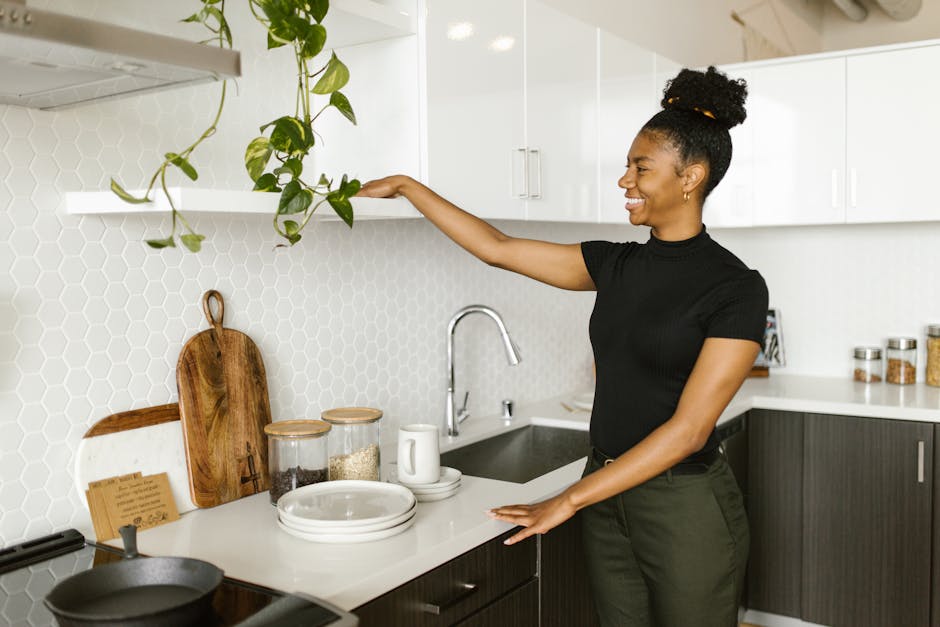
In many Nigerian homes, kitchen space is limited. Utilize vertical space by installing shelves or hanging racks on your walls. This can be a game-changer for storing pots, pans, and other bulky items.
Invest in Stackable Containers
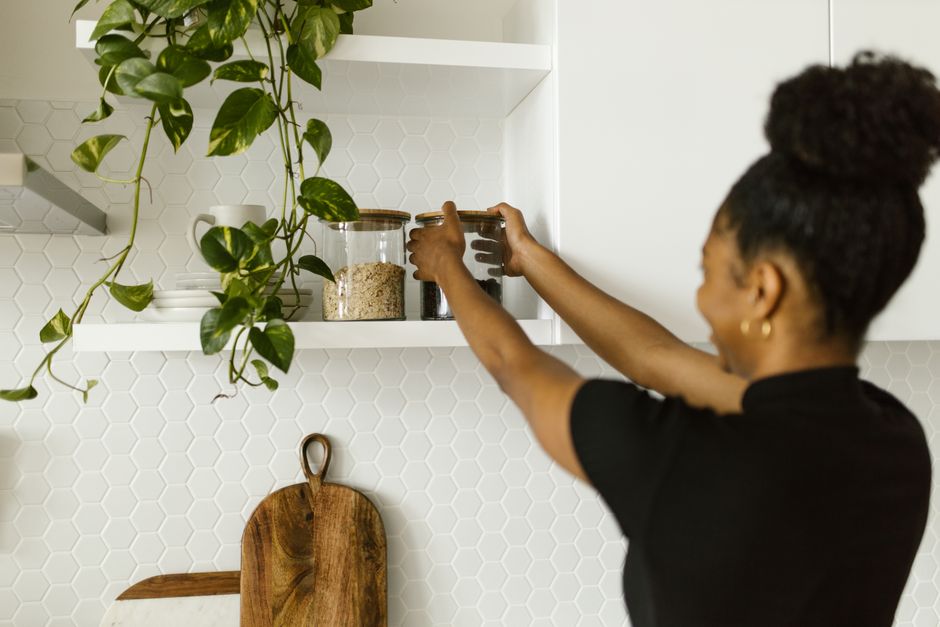
Stackable containers are a fantastic way to save space. Use them for storing dry goods like rice, beans, and grains. Clear containers are particularly useful because you can easily see what's inside and how much you have left.
"Clear containers are not only practical but also visually appealing, making your pantry look organized and inviting."
Optimize Your Pantry
Label Everything
Labeling is a simple yet effective way to keep your pantry organized. Use a label maker or write directly on containers with a marker. The key is to make sure everything is easy to find and retrieve.
Rotate Your Stock
Practice the 'first in, first out' method to keep your pantry fresh. Place newer items at the back and older ones in front, ensuring that nothing goes to waste.
- Bi-weekly Checks: Regularly check your pantry to ensure items are not expired.
- Shopping List: Keep track of pantry staples and add them to your shopping list as soon as they run low.
Streamline Your Cooking Process
Prep Stations
Designate a specific area in your kitchen as a prep station. Keep knives, cutting boards, and mixing bowls here to make meal preparation more efficient.
Use Multi-functional Tools
Invest in multi-functional kitchen tools to save space and time. Items like a rice cooker that doubles as a steamer can reduce the number of gadgets you need.
Maintain Your Organized Kitchen
Regular Cleanup Routine
Set aside time each week to tidy up and maintain your kitchen organization. This regular routine prevents clutter from building up again.
Involve the Family
Get the whole family involved in maintaining kitchen order. Assign tasks to each member, such as cleaning, organizing, or restocking, to share the responsibility.
"A well-organized kitchen is a family affair. Involve everyone in maintaining order for lasting results."
Conclusion
An organized kitchen is the cornerstone of a stress-free cooking environment. By implementing these practical tips, you can create a functional and inviting space that works for you and your family. Remember, the key to a tidy kitchen is consistency. Regularly assess your setup and make adjustments as needed. With a little effort and creativity, you can turn your kitchen into an efficient powerhouse, making meal preparation a delightful experience each day.