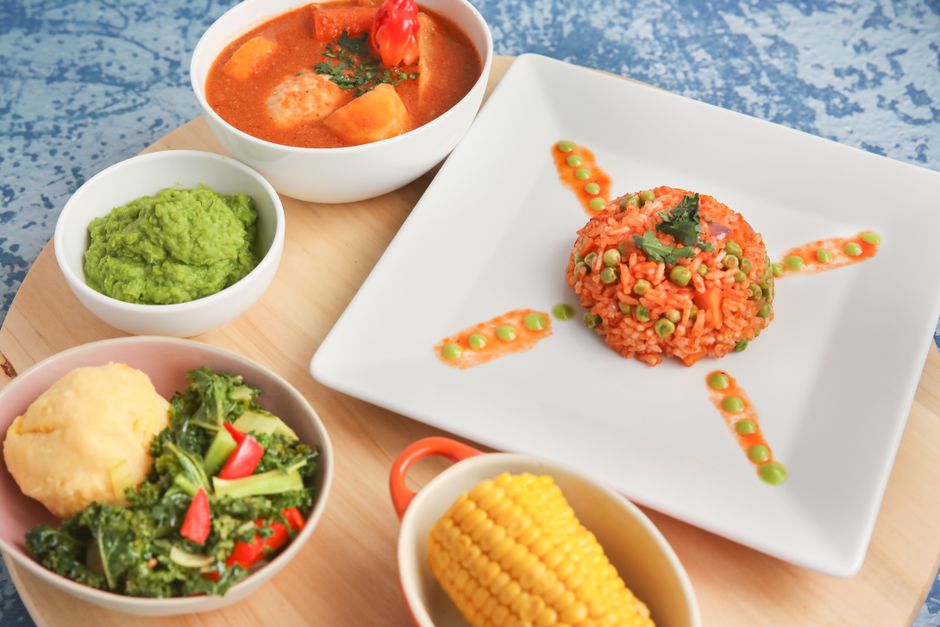
Nigerian Jollof Rice is more than just a dish; it's a cultural phenomenon that brings people together over shared history and flavors. Whether you're a seasoned cook or a beginner in the kitchen, mastering this iconic West African dish can seem daunting. However, with the right guidance and a sprinkle of patience, you'll be serving up plates of aromatic, vibrant Jollof Rice that your friends and family will rave about.
The rivalry over who makes the best Jollof Rice is well-known across West Africa, with Nigeria and Ghana leading the charge. However, today, we'll focus on the Nigerian version, celebrated for its deep, rich flavors and often served at parties, weddings, and family gatherings. Whether you're cooking for a special occasion or a simple weeknight dinner, Jollof Rice is sure to impress.
Let's embark on this flavorful journey to understand what makes Nigerian Jollof Rice unique and how you can recreate it in your kitchen. From selecting the right ingredients to nailing the cooking technique, we've got you covered in this comprehensive guide.
Understanding the Basics of Nigerian Jollof Rice
The Origin and Evolution
Jollof Rice traces its roots back to the Wolof people of Senegal and The Gambia. Over time, it has evolved, with each region adding its own twist. In Nigeria, Jollof Rice has become a staple, known for its rich tomato flavor and spicy undertones.
Key Ingredients
- Long-grain rice: The foundation of Jollof Rice. Nigerian cooks often prefer parboiled rice for its ability to absorb flavors without becoming mushy.
- Tomato paste: Essential for achieving the rich red color and depth of flavor.
- Fresh tomatoes, peppers, and onions: These form the base of the sauce, known as the 'party jollof sauce.'
- Spices and seasonings: Include thyme, bay leaves, curry powder, and stock cubes for that signature Nigerian taste.
Essential Cooking Tools
Before you start, ensure you have the right tools: a large pot, blender for the sauce, and a wooden spoon for stirring. These will make your cooking process smoother and more efficient.
Step-by-Step Guide to Cooking Jollof Rice
Preparing the Ingredients
Start by washing your rice thoroughly to remove the surface starch. This step is crucial to achieve non-sticky grains. Blend your fresh tomatoes, peppers, and onions until smooth.
Cooking the Sauce
Heat oil in your pot and fry the blended mixture until the raw tomato smell fades. Add tomato paste, stirring continuously. Let the mixture cook until the oil starts to separate from the sauce.
Adding the Rice
Once your sauce is ready, add your washed rice, followed by the stock. Stir well, ensuring every grain is coated with the sauce. Cover the pot and let the rice cook on low heat.
"The secret to perfect Jollof Rice lies in patience. Let it cook slowly to absorb all the flavors."
Final Touches
Check the rice for doneness; if it's still a bit hard, add a splash of water and cover with a tight-fitting lid or foil to trap steam. Once cooked, fluff the rice with a fork.
Common Mistakes to Avoid
Overcooking the Rice
One of the most common pitfalls is overcooking. Keep an eye on the rice to prevent it from turning mushy. Remember, the key is to use less water and more steam.
Skipping the Seasoning
Don't skimp on spices and seasonings. They are what give Jollof Rice its vibrant taste. Always taste and adjust your seasoning as you go.
Not Allowing the Sauce to Cook Properly
If the sauce isn't cooked well, it can impart a raw tomato taste to the rice. Make sure the oil separates from the sauce before adding rice.
Serving Suggestions and Pairings
Perfect Accompaniments
Jollof Rice pairs beautifully with fried plantains, grilled chicken, or beef. A side of coleslaw or steamed vegetables also adds a fresh contrast.
Beverage Pairings
A chilled glass of Zobo (Hibiscus tea) or a refreshing Chapman can complement the spicy notes of the rice beautifully.
Conclusion
There you have it, a step-by-step guide to making the quintessential Nigerian Jollof Rice. With practice and attention to detail, you'll master this beloved dish in no time. Remember, the joy of cooking comes from experimentation, so don't be afraid to make it your own. Whether you're serving it at a festive gathering or a simple dinner at home, the aroma and taste of well-cooked Jollof Rice are sure to bring smiles to the faces around your table. Happy cooking!