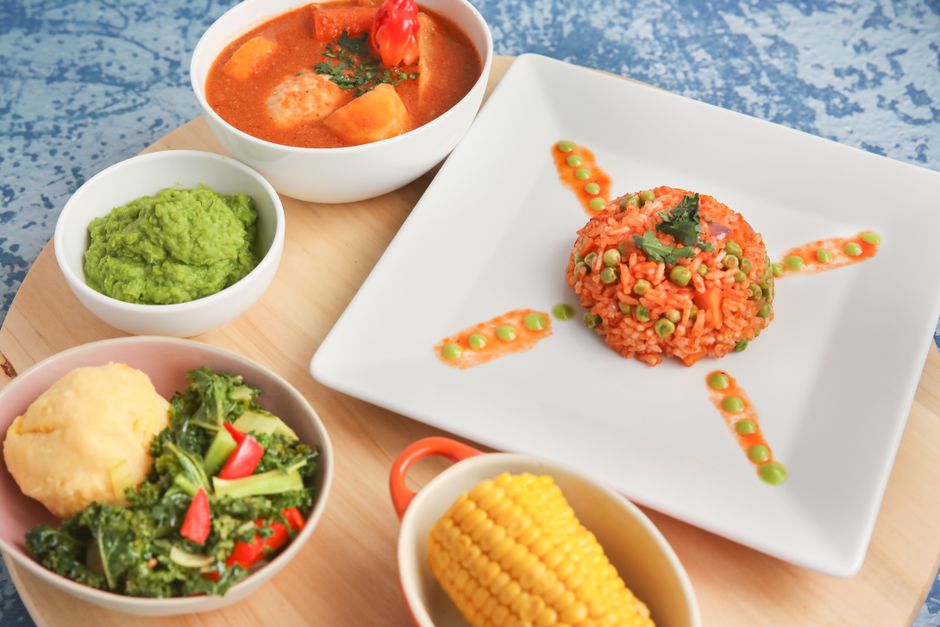
Jollof Rice holds a special place on the dining table across West Africa, but in Nigeria, it's more than just a dish; it's a cultural phenomenon. Whether it's a wedding, birthday party, or a casual Sunday lunch, Jollof Rice is the star attraction. If you're eager to master this beloved recipe, you're in the right place. This article will take you through the basics, offer expert tips, and even suggest some exciting variations.
Jollof Rice is not just about the taste; it's an experience that brings together friends and family. The vibrant red color, the enticing aroma, and the rich, savory flavor make it a staple in Nigerian cuisine. Let's dive into the journey of making a perfect pot of Jollof Rice that will have everyone asking for seconds.
Understanding the Basics of Jollof Rice
The Essential Ingredients
The foundation of any great Jollof Rice is its ingredients. From the aromatic spices to the fresh tomatoes, each component plays a crucial role in achieving that authentic taste.
- Rice: Long-grain parboiled rice is typically used, giving the dish its fluffy texture.
- Tomatoes: Fresh or canned tomatoes form the base of the sauce.
- Peppers: Red bell peppers and Scotch bonnets add flavor and heat.
- Onions: Essential for the sauce, providing depth of flavor.
- Spices: Thyme, curry powder, and bay leaves are commonly used for seasoning.
"The key to perfect Jollof is in the balance of flavors. Don't rush the process."
The Cooking Technique
Cooking Jollof Rice is an art, and like any masterpiece, it requires patience and attention to detail. Here's a step-by-step guide to achieving the best results.
- Prepare the Base: Blend tomatoes, bell peppers, and Scotch bonnets into a smooth paste.
- Sauté the Onions: In hot oil, sauté chopped onions until golden brown.
- Cook the Sauce: Add the blended mixture to the onions and cook until the oil begins to separate from the sauce.
- Add Rice and Broth: Stir in washed rice and chicken or beef broth. Cover and simmer.
- Simmer to Perfection: Allow the rice to cook on low heat, ensuring it absorbs the sauce's rich flavors.
Spicing It Up: Variations and Twists
Seafood Jollof
For a coastal twist, try adding fresh seafood like shrimp or fish. This variation offers a delightful change and pairs beautifully with the tomato base.
Vegetarian Jollof
Creating a vegetarian version is simple. Substitute the meat broth with vegetable stock and incorporate a medley of seasonal vegetables.
Common Mistakes to Avoid
Even seasoned cooks can encounter pitfalls when making Jollof Rice. Here are some common mistakes and how to avoid them:
- Overcooking the Rice: Keep an eye on the rice to prevent it from becoming mushy.
- Using too much water: Start with less; you can always add more if needed.
- Not letting the sauce cook enough: Ensure the sauce is well-cooked to avoid a raw tomato taste.
The Cultural Significance of Jollof Rice
Jollof Rice is more than a meal; it's a celebration of culture and community. In Nigeria, it symbolizes gathering and togetherness, whether at a festive occasion or a family meal.
"Jollof Rice has a place at the heart of Nigerian celebrations, bringing joy and unity."
Final Thoughts
Mastering Nigerian Jollof Rice is a rewarding endeavor. It's a dish that embodies the spirit of togetherness and the rich flavors of Nigerian cuisine. By following this guide, you can create a Jollof Rice that not only satisfies the taste buds but also warms the heart. So gather your ingredients, invite your friends and family, and embark on this culinary journey.