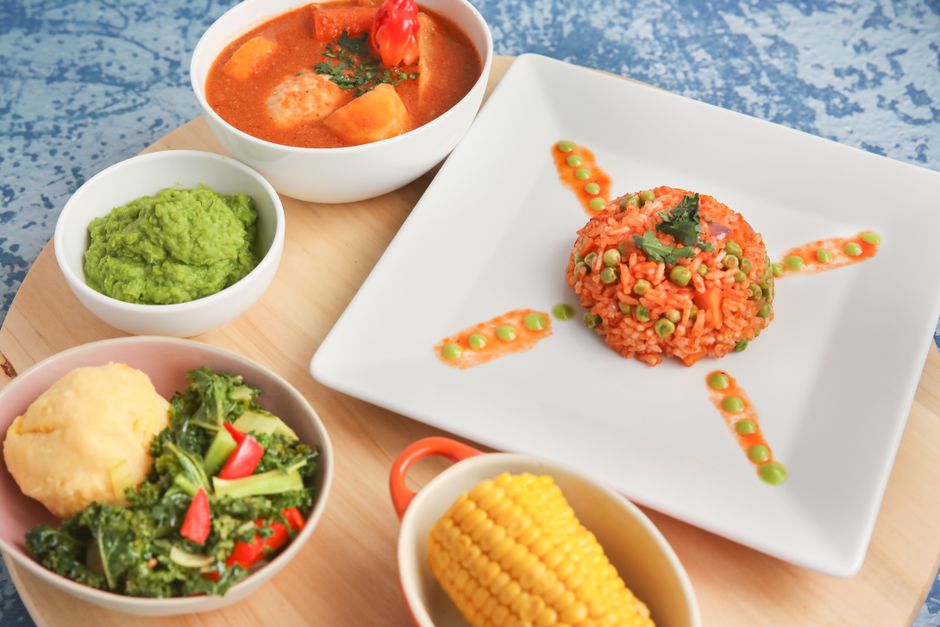
Nigerian Jollof Rice is more than just a dish; it's a vibrant symbol of tradition and celebration. Whether you're preparing for a festive gathering or a cozy family dinner, mastering Jollof Rice is a culinary milestone. In this guide, we'll delve into the nuances of this beloved meal, offering practical tips and cultural insights to elevate your Jollof Rice game.
Nigeria's rich tapestry of flavors and textures makes Jollof Rice a quintessential part of its culinary identity. Known for its bold, smoky essence and vibrant color, Jollof Rice is a crowd-pleaser that often sparks lively debates about authenticity and technique. Join us as we explore the essential steps and secrets to creating a pot of Jollof Rice that is both authentic and delicious.
The Essentials of Nigerian Jollof Rice
Before diving into the cooking process, it's crucial to understand the key components that make Nigerian Jollof Rice special. Each ingredient plays a vital role in creating the dish's unique flavor profile.
Core Ingredients
- Rice: Traditionally, long-grain parboiled rice is preferred for its ability to absorb flavors without becoming mushy.
- Tomato Base: A rich blend of tomatoes, red bell peppers, and onions forms the backbone of the dish. This base imparts the characteristic red hue and robust taste.
- Spices: Essential spices include thyme, curry powder, bay leaves, and a hint of chili for heat.
- Stock: Chicken or beef stock enhances the depth of flavor, making every bite unforgettable.
- Smokiness: Achieving a smoky flavor is key, often through the use of charred vegetables or smoked paprika.
Step-by-Step Cooking Instructions
Cooking the perfect Jollof Rice requires patience and precision. Follow these detailed steps for a dish that's sure to impress.
Prepare the Tomato Base
- Blend: Combine tomatoes, red bell peppers, and onions in a blender. This mixture will be the flavor foundation of your Jollof Rice.
- Cook: Sauté the blended mixture in a pot with oil until reduced and thickened, approximately 10-15 minutes.
- Spices: Add thyme, curry powder, and bay leaves, stirring to combine the flavors.
Cook the Rice
- Rinse: Thoroughly rinse the rice in cold water to remove excess starch.
- Combine: Add the rice to the pot with the tomato base, stirring to coat each grain.
- Simmer: Pour in the stock, cover, and simmer on low heat. Allow the rice to absorb the liquid, stirring occasionally to prevent sticking.
- Finish: For added smokiness, layer foil over the pot before sealing with a lid. Cook until the rice is tender and the flavors meld.
Cultural Significance and Variations
Jollof Rice is more than just a meal; it's a cultural icon across Nigeria and West Africa. Each region adds its twist, making every plate a unique experience.
Regional Differences
- Nigerian vs. Ghanaian Jollof: While both are delicious, Nigerian Jollof is often spicier, with a pronounced tomato flavor.
- Party Jollof: Known for its smoky flavor and vibrant color, this version is a staple at celebrations and gatherings.
- Vegetarian Jollof: A plant-based take that replaces meat stock with vegetable broth without sacrificing flavor.
Common Mistakes and How to Avoid Them
Even seasoned cooks can stumble when making Jollof Rice. Here are common pitfalls and how to sidestep them for success.
Overcooking and Mushiness
Avoid overcooking by keeping a close watch on the rice's texture. If needed, reduce the liquid or cook uncovered for a few minutes towards the end.
Lack of Flavor
If your Jollof Rice feels bland, double-check your spice levels, ensuring the tomato base is well-seasoned before adding the rice.
"Achieving the perfect balance of spices and smokiness is the key to unforgettable Jollof Rice."
Conclusion
Mastering Nigerian Jollof Rice is a rewarding endeavor, combining traditional techniques with personal flair. Whether you're cooking for a festive occasion or simply enjoying a taste of home, Jollof Rice holds a special place in every Nigerian kitchen. Embrace the journey, experiment boldly, and let your creativity shine through in each pot.