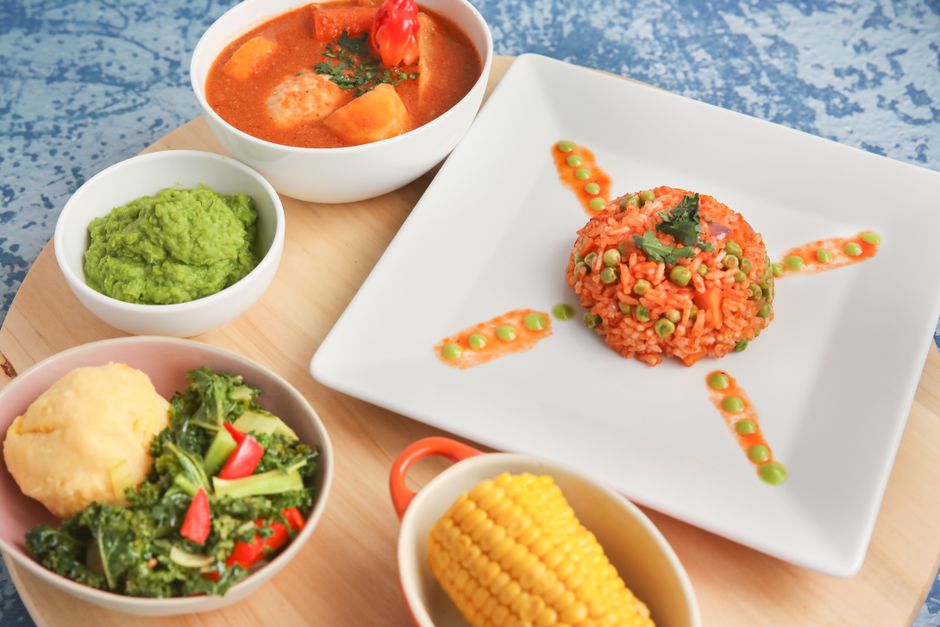
If there's one dish that truly represents the heart of Nigerian cuisine, it's the iconic Jollof Rice. This beloved dish is a staple at parties, family gatherings, and even casual dinners. Its bold flavors and vibrant colors are as rich as the culture it represents. Whether you're a seasoned cook or a kitchen newbie, mastering Jollof Rice is a rite of passage for every Nigerian food enthusiast.
In this comprehensive guide, we'll walk you through the history, the essential ingredients, and the step-by-step process of making the perfect Jollof Rice. We'll also explore some common mistakes to avoid and answer frequently asked questions to help you become a Jollof Rice pro. So, let's get cooking!
The Rich History of Jollof Rice
Jollof Rice has a storied history that traces back to the Senegambian region, where the Wolof people originally prepared it. Over time, the dish migrated across West Africa, evolving with the local flavors and ingredients of each region. Today, there are variations of Jollof Rice in Ghana, Sierra Leone, and, of course, Nigeria, each with its own unique twist.
Nigerian Jollof Rice: A National Treasure
Nigerian Jollof Rice is perhaps the most famous version, known for its deep, smoky flavor and rich red color. It's typically flavored with a blend of tomatoes, onions, peppers, and spices. The secret to its signature taste often lies in the particular type of rice used and the cooking technique, which we'll delve into shortly.
Essential Ingredients for Jollof Rice
While the exact recipe for Jollof Rice can vary, some ingredients are absolutely essential for the authentic Nigerian version. Let's take a closer look at these key components:
Rice: The Foundation
The choice of rice can make or break your Jollof Rice. Most Nigerians prefer long-grain parboiled rice for its ability to absorb flavors and maintain its structure without becoming mushy. Basmati rice can also be used if you prefer a slightly different texture.
- Long-grain parboiled rice: Best for authentic texture.
- Basmati rice: Offers a fragrant, lighter texture.
Tomato Base: The Heart and Soul
The tomato base is what gives Jollof Rice its vibrant color and rich taste. This typically includes fresh tomatoes, tomato paste, onions, and red peppers. Blending these ingredients into a smooth paste is crucial for achieving the right consistency.
"The secret to a great Jollof Rice is in the tomato base. Blend it smooth and cook it slowly for the best flavor."
Spices and Seasonings: The Flavor Boosters
Spices are where you can truly express your culinary creativity. Commonly used spices include thyme, curry powder, bay leaves, and ginger. Don't forget a stock cube for added depth of flavor.
- Thyme: Adds earthiness.
- Curry powder: For a subtle heat.
- Bay leaves: For aroma.
- Stock cube: Enhances flavor.
Step-by-Step Guide to Cooking Jollof Rice
Step 1: Prepare the Tomato Base
Blend fresh tomatoes, red bell peppers, onions, and Scotch bonnet peppers into a smooth paste. Heat oil in a pot, then pour in the tomato paste and cook over medium heat until the oil separates from the mixture. This step is crucial for developing flavors.
Step 2: Parboil the Rice
Rinse the rice thoroughly under cold water and parboil it for about 5 minutes. Drain and set aside. This helps to remove excess starch, ensuring your rice doesn't become sticky.
Step 3: Combine and Cook
Once the tomato base is well-cooked, add the parboiled rice, seasoning, and enough water or chicken stock to cover the rice. Stir to mix well and bring to a boil. Reduce the heat, cover with a tight-fitting lid, and let it simmer until the rice is cooked through and the liquid absorbed.
"Low and slow is the way to go. Patience is key to achieving that perfect Jollof Rice texture."
Step 4: Final Adjustments
Once cooked, adjust the seasoning to taste. Stir in vegetables like peas or carrots if desired, and let the rice sit off the heat for a few minutes to allow the flavors to meld together.
Common Mistakes to Avoid
Not Properly Cooking the Tomato Base
One of the most common mistakes is undercooking the tomato base. This can result in a dish that tastes raw or overly acidic. Take your time with this step; it's worth it!
Using Too Much or Too Little Water
Adding too much water can ruin the texture of your Jollof Rice, making it mushy. On the other hand, too little water can leave the rice undercooked. It's a delicate balance, but practice makes perfect!
Frequently Asked Questions
Can I make Jollof Rice in advance?
Absolutely! In fact, Jollof Rice often tastes even better the next day after the flavors have had a chance to develop further. Simply reheat it on the stove or in the microwave when you're ready to serve.
What's the best way to store leftovers?
Store any leftovers in an airtight container in the refrigerator for up to three days. For longer storage, consider freezing it in portion-sized containers.
Final Thoughts
Jollof Rice is more than just a dish; it's a celebration of flavors and culture. By mastering the art of cooking Jollof Rice, you're not just learning to cook a meal — you're keeping a culinary tradition alive. Whether you're cooking for your family or impressing guests, Jollof Rice is sure to be a crowd-pleaser. So grab your ingredients, and let's get cooking!