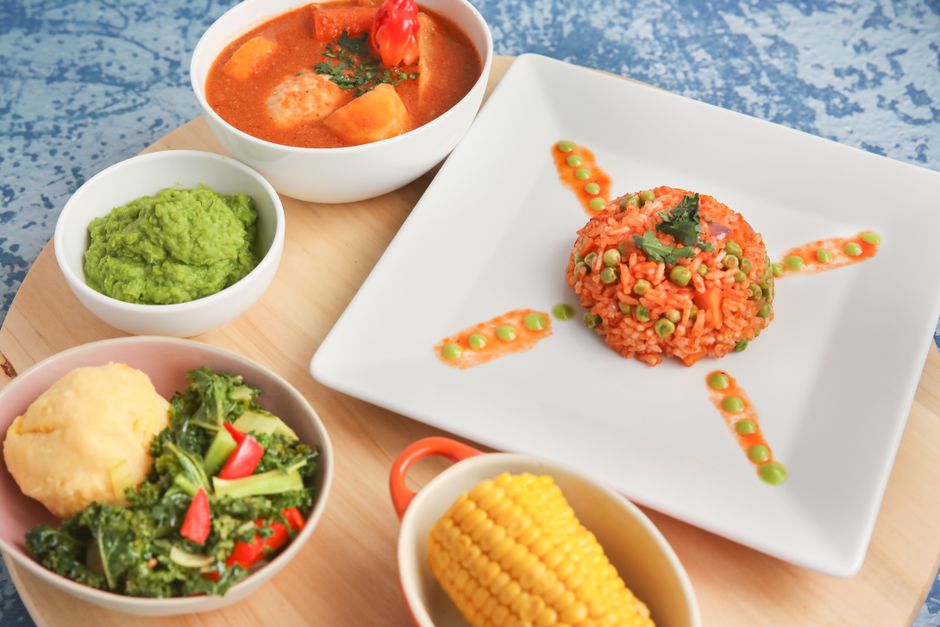
Jollof Rice is more than just a dish; it’s an emblem of Nigerian culture, a beloved staple that brings families together over fragrant, flavorful meals. Whether you’re preparing a casual dinner or hosting a festive gathering, mastering the art of Jollof Rice can elevate your cooking repertoire. This guide will take you through the essentials of cooking Jollof Rice, ensuring every grain is bursting with flavor and every bite is a culinary delight.
From selecting the right rice to balancing spices, each step in the process contributes to the rich tapestry of flavors that define this iconic dish. For those who have grown up in Nigeria, Jollof Rice is a comforting reminder of home, while for others, it's an exciting introduction to the diverse flavors of West African cuisine.
In this comprehensive guide, we'll explore the history of Jollof Rice, delve into the ingredients that create its signature taste, and provide you with a step-by-step recipe that guarantees success. Whether you're a novice cook or a seasoned chef, there's something here for everyone to learn and enjoy.
The History of Jollof Rice
Origin and Cultural Significance
The origins of Jollof Rice can be traced back to the Senegambian region, once ruled by the Jolof Empire, which is how the dish gets its name. Over the years, Jollof Rice has evolved and spread across West Africa, with each nation adding its own twist to the recipe.
In Nigeria, Jollof Rice is often seen as a symbol of unity and celebration. It’s the go-to dish for parties, weddings, and celebrations, making it an integral part of Nigerian cuisine and social gatherings.
Regional Variations
While Nigeria is undoubtedly famous for its Jollof Rice, other countries like Ghana, Senegal, and Cameroon have their own unique versions. In Nigeria, the rivalry between Nigerian and Ghanaian Jollof is legendary, with each claiming superiority in taste and technique.
These variations primarily differ in the types of spices used and the cooking method, but each version is beloved in its own right.
Essential Ingredients for Jollof Rice
Choosing the Right Rice
The foundation of any great Jollof Rice is the rice itself. Long-grain parboiled rice is often recommended for its ability to absorb flavors without becoming mushy. The grains should remain separate yet tender, creating the perfect texture.
"The key to great Jollof Rice is choosing high-quality, long-grain parboiled rice that can absorb the rich tomato base and spices."
Spices and Seasonings
The heart of Jollof Rice's flavor lies in its spices. A well-balanced combination of thyme, bay leaves, curry powder, and bouillon cubes creates the signature taste. Fresh ingredients like tomatoes, onions, red bell peppers, and habanero peppers form the base of the sauce, adding depth and richness.
- Thyme: A must-have for its earthy aroma.
- Bay Leaves: Adds a subtle depth to the dish.
- Curry Powder: Provides warmth and complexity.
- Bouillon Cubes: Enhances the umami flavors.
Step-by-Step Jollof Rice Recipe
Preparing the Tomato Base
Start by blending fresh tomatoes, red bell peppers, onions, and habanero peppers into a smooth puree. This mixture will form the base of your Jollof Rice sauce.
Heat some vegetable oil in a large pot, then add sliced onions and sauté until golden brown. Add the tomato puree and cook on medium heat until the mixture reduces, and the oil floats to the top.
Cooking the Rice
Once your tomato base is ready, add your spices: thyme, curry powder, crushed bouillon cubes, and bay leaves. Stir well to combine.
Add washed rice into the sauce, stirring to coat every grain with the rich tomato mixture. Add chicken stock or water, just enough to cook the rice, cover the pot with foil or a tight-fitting lid, and reduce the heat to low.
"To prevent burning, use a heavy-bottomed pot and stir occasionally. Allow steam to cook the rice, keeping the lid tightly sealed."
Finishing Touches
After about 20-30 minutes, check the rice for doneness. Fluff it with a fork and adjust seasoning if necessary. For an extra burst of flavor, stir in sliced onions and tomatoes, then cover and allow the steam to soften them.
Serving and Enjoying Jollof Rice
Perfect Pairings
Jollof Rice is versatile and pairs well with a variety of sides and proteins. Popular accompaniments include fried plantains, grilled chicken, or spicy goat meat. For a truly Nigerian experience, serve with Moi Moi or puff-puff.
- Fried Plantains: Sweet and savory, a classic pairing.
- Grilled Chicken: Simple yet flavorful complement.
- Moi Moi: A protein-rich steamed bean cake.
Presentation Tips
For an impressive presentation, serve Jollof Rice in a generous heap on a large platter. Garnish with fresh coriander leaves or thinly sliced green onions for a pop of color and freshness.
Tips for Perfect Jollof Rice Every Time
Common Mistakes to Avoid
While making Jollof Rice isn't rocket science, there are a few pitfalls to steer clear of:
- Using too much water can make the rice soggy.
- Not cooking the tomato base long enough will result in a raw tomato taste.
- Skipping the spice blend sacrifices depth of flavor.
Expert Tips
For consistently excellent Jollof Rice, consider these expert tips:
"Always toast your spices in the oil before adding the tomato base to unlock their full potential."
Allowing the rice to rest after cooking ensures all flavors meld together perfectly.
Final Thoughts
Mastering Jollof Rice is a rewarding culinary journey that encapsulates the heart and soul of Nigerian cuisine. With its rich history and irresistible flavors, this dish holds a special place in the hearts of many. Armed with the knowledge and techniques from this guide, you'll be able to create Jollof Rice that delights and impresses. Whether you’re cooking for yourself or sharing with friends and family, the perfect Jollof Rice is a testament to the vibrant tastes of Nigeria.