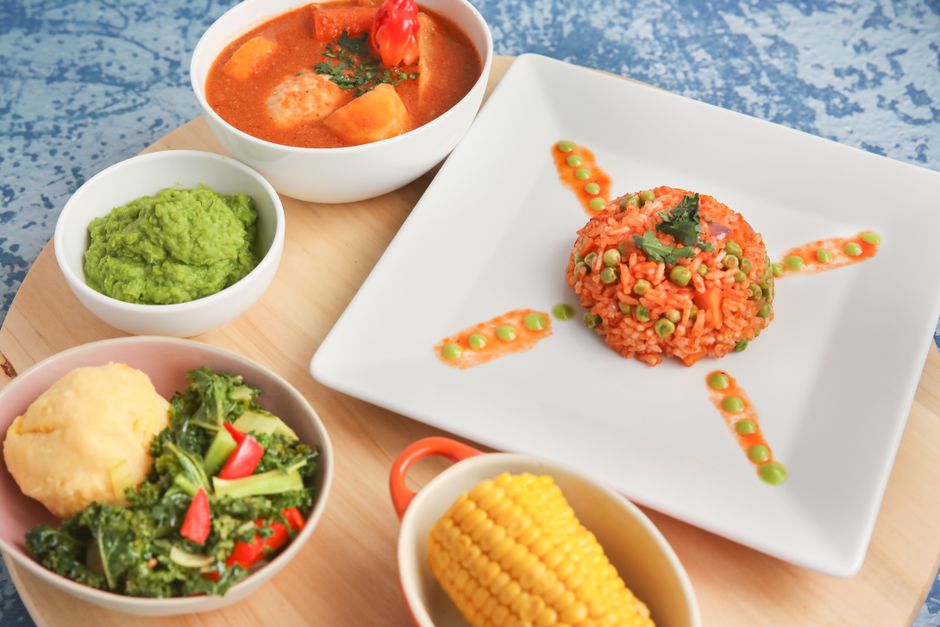
Jollof rice is more than just a dish; it's a celebration of flavors and a staple at Nigerian gatherings. Whether you're hosting a party or preparing a family meal, mastering this beloved recipe is a must. In this guide, we'll explore everything you need to know to cook perfect Jollof rice, from selecting the right ingredients to serving it like a pro.
Cooking Jollof rice can seem intimidating, especially with the variations across West African countries. However, with the right tips and a bit of practice, you'll impress even the most discerning palates. Let's dive into the journey of creating the best Jollof rice, a dish that unites people across borders.
Understanding the Foundations of Jollof Rice
History and Significance
The origins of Jollof rice trace back to the Senegambian region, but it has become a cultural icon across West Africa, especially in Nigeria. Each country boasts its version, but the Nigerian Jollof is renowned for its rich, spicy flavor.
"Jollof rice is not just about the taste; it's a cultural expression and a source of pride for many Nigerians."
Essential Ingredients
Creating the perfect Jollof rice starts with selecting quality ingredients. Here's what you'll need:
- Rice: Long-grain parboiled rice is preferred for its texture.
- Tomatoes: Use fresh, ripe tomatoes for a robust flavor.
- Peppers: A mix of red bell peppers and Scotch bonnets for heat.
- Onions: Essential for the base sauce.
- Spices: Stock cubes, curry powder, thyme, and bay leaves for depth.
The Step-by-Step Cooking Process
Preparing the Base Sauce
The hallmark of excellent Jollof rice is the rich, flavorful sauce. Start by blending your tomatoes, peppers, and onions into a smooth mixture. Fry this blend in vegetable oil until the raw taste dissipates, and the oil begins to separate.
Cooking the Rice
Once your sauce is ready, it's time to add the rice. Rinse the rice thoroughly to remove excess starch and add it to the simmering sauce with a precise water-to-rice ratio, ensuring the rice is fluffy yet firm.
"Control the heat carefully. A low simmer ensures even cooking and prevents the rice from burning."
Common Mistakes to Avoid
Too Much Water
One of the biggest pitfalls is using too much water, resulting in soggy rice. Stick to the recommended proportions and adjust based on the rice you're using.
Insufficient Seasoning
Don't be shy with the spices. Jollof rice should be bursting with flavor. Taste frequently and adjust your seasonings as needed.
Serving Suggestions and Pairings
Traditional Accompaniments
Jollof rice is often served with fried plantains, grilled chicken, or fish. These sides complement the dish's spicy profile and add variety to your meal.
Presentation Tips
For a truly Nigerian experience, serve in a communal dish and garnish with fresh vegetables like sliced cucumbers or a sprinkle of chopped parsley.
Conclusion
Mastering Jollof rice is a culinary milestone that opens doors to appreciating and sharing Nigerian culture. Remember, the key lies in balancing flavors and cooking with love. Whether for a festive gathering or a cozy family dinner, Jollof rice is sure to bring joy and unity to your table.