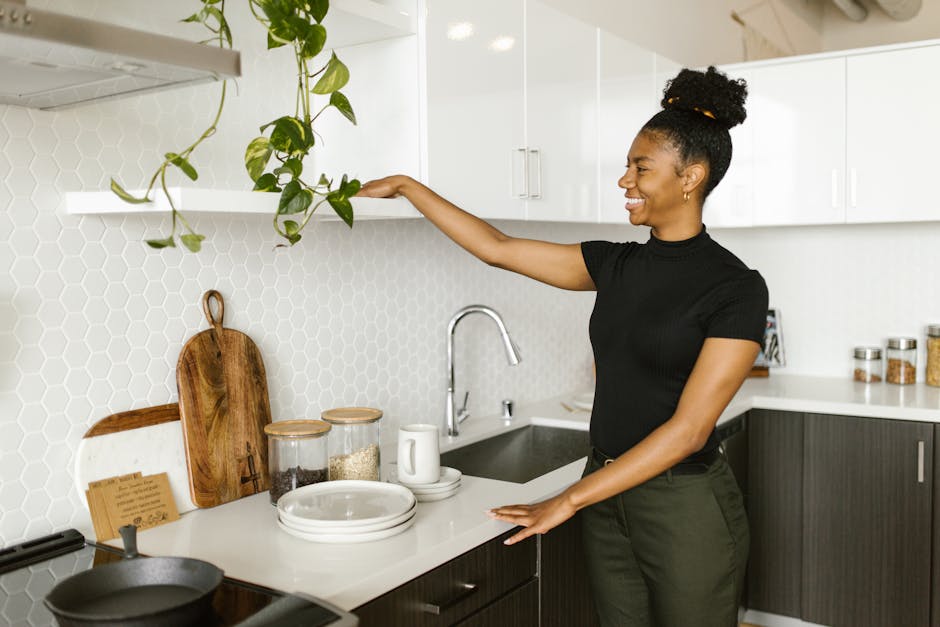
Welcome to an organized kitchen! Whether you're a seasoned chef or an occasional cook, having an organized kitchen can significantly improve your cooking experience. Imagine reaching for a pot or spice and knowing exactly where it is. With a few strategic changes, you can transform your kitchen into a well-oiled machine, where everything has its place, and finding what you need is a breeze.
For many Nigerians, the kitchen is not just a place to cook; it's the heart of the home where family and friends gather. However, a disorganized kitchen can quickly become a source of stress, making it difficult to prepare meals efficiently. Today, we'll dive into the art and science of kitchen organization, providing you with practical tips and insights tailored for Nigerian homes. From space-saving hacks to innovative storage solutions, let's embark on this journey to a more orderly kitchen.
Understanding Your Kitchen Space
Before embarking on your organization journey, it's essential to understand the layout and size of your kitchen. Every kitchen is unique, and what works for someone else might not work for you. Here's how you can start:
Evaluate Your Kitchen Layout
Begin by identifying the most frequently used areas in your kitchen. This includes your cooking area, food preparation zone, and storage spaces. By recognizing these zones, you can plan your organization strategy effectively.
- Cooking Area: Keep pots, pans, and cooking utensils near the stove for easy access while cooking.
- Food Preparation Zone: Organize knives, chopping boards, and mixing bowls in this area for seamless meal prep.
- Storage Spaces: Identify your main storage areas for groceries, spices, and cooking essentials.
Maximize Your Storage Potential
Storage is a critical component of kitchen organization. Here are some tips to make the most of your available space:
- Use vertical space by installing shelves or hanging racks for pots and pans.
- Utilize drawer dividers to keep cutlery and utensils neatly arranged.
- Consider pull-out shelves or lazy Susans for corner cabinets to access items easily.
"Efficiency in the kitchen starts with smart storage solutions. A place for everything, and everything in its place."
Decluttering the Kitchen
Clutter can quickly overtake your kitchen, making it chaotic and uninviting. Here's how to tackle it:
Sort and Purge
Start by emptying your cabinets and drawers. Go through each item and decide whether to keep, donate, or discard. Be honest with yourself about what you really use and need.
- Group similar items together to see if you have duplicates.
- Donate or sell items that are in good condition but rarely used.
- Recycle or responsibly dispose of broken or expired items.
Implement a Rotation System
To maintain a clutter-free kitchen, adopt a rotation system for your pantry and refrigerator items. This ensures older items are used before new ones.
- Store new groceries at the back and bring older items to the front.
- Label containers with purchase dates to track freshness.
Innovative Storage Solutions
With a bit of creativity, you can find storage solutions that maximize space and enhance accessibility.
Utilize Overhead Space
Don't overlook the potential of your overhead space. Hanging pot racks or ceiling-mounted shelves can free up cabinet space and add a decorative element to your kitchen.
Magnetic Organizers
Magnetic strips or boards can be attached to walls or the inside of cabinet doors to hold knives, spices, and metal kitchen tools, saving counter space.
"In a well-organized kitchen, even the smallest spaces can make a big impact."
Maintaining Your Organized Kitchen
Once you've transformed your kitchen, maintaining order is key to long-term success.
Create a Cleaning Routine
Regular cleaning not only keeps your kitchen looking good but also helps maintain organization. Develop a routine that works for you.
- Wipe down surfaces daily to prevent build-up of grime and crumbs.
- Dedicate one day a week to deep-cleaning tasks like scrubbing the stove and cleaning out the fridge.
Reevaluate and Adjust
As your needs change, so should your kitchen organization. Periodically review your system and adjust as necessary to keep things running smoothly.
- Assess your storage solutions every few months.
- Stay flexible and open to new ideas that could enhance kitchen efficiency.
Conclusion
An organized kitchen is a haven for creativity and efficiency. By understanding your space, decluttering, and implementing smart storage solutions, you can create a kitchen that not only meets your needs but also inspires your culinary adventures. Remember, maintaining organization is an ongoing process, and with time, it will become second nature. Embrace the journey, and your kitchen will thank you!