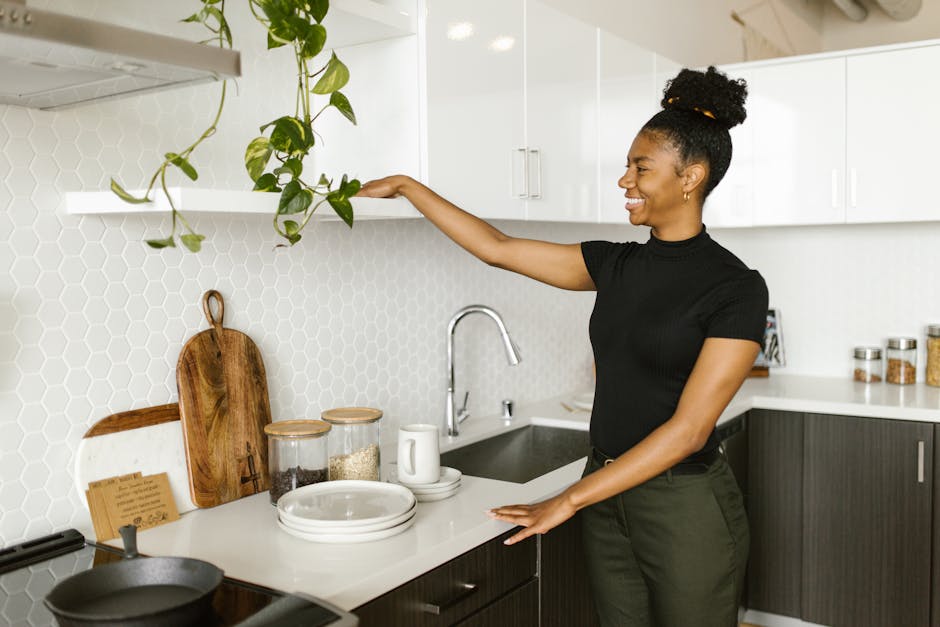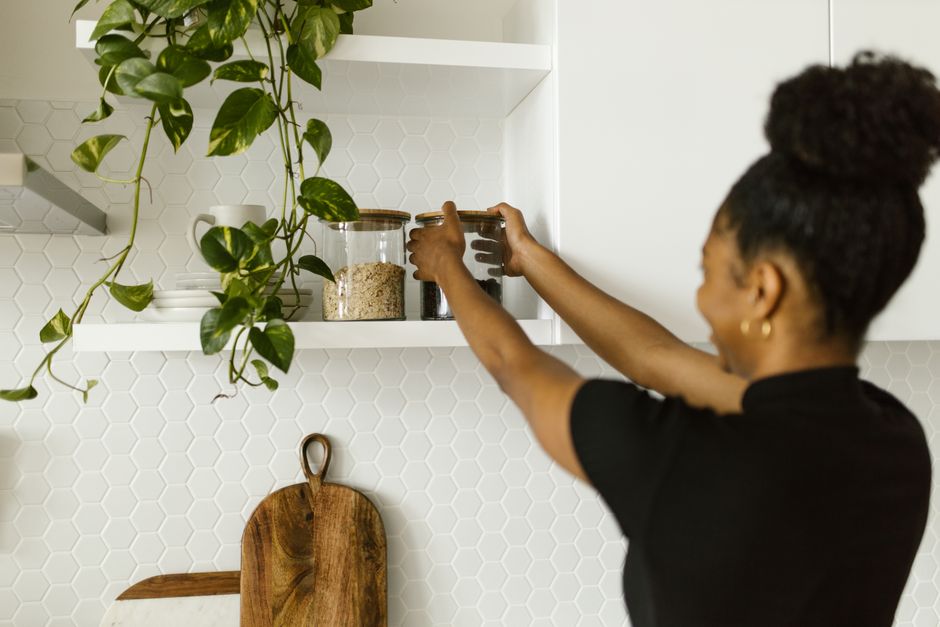
Have you ever found yourself rummaging through a pile of pots and pans, desperately searching for that elusive lid? Or perhaps you’ve been in the middle of cooking a delicious Nigerian stew only to realize you can’t find the right spice in the chaos of your pantry? If you nodded in agreement, you're not alone. Many Nigerian kitchens face the daily challenge of maintaining order amidst the vibrant chaos of culinary delights. But fear not, transforming your kitchen into an organized, efficient space is entirely achievable. Let’s embark on a journey to master kitchen organization that not only saves time but also enhances your cooking experience.
Decluttering: The First Step to Organization
Before diving into the nitty-gritty of kitchen organization, it’s essential to start with a blank slate. Decluttering is the first and most crucial step to achieving a streamlined kitchen.
Assess Your Needs
Begin by evaluating what you actually use. Take a day to document the utensils, cookware, and appliances you frequently reach for. This will help you identify what needs to stay and what can go.
- Set aside items you haven’t used in over a year.
- Consider donating duplicates or items that are rarely used.
- Focus on multi-functional tools that save space and increase efficiency.
Organize by Frequency
Arrange your kitchen items based on how often you use them. Everyday items should be within easy reach, while seldom-used dishes can be stored higher up or in less accessible spaces.
Creating Functional Zones
Once your kitchen is decluttered, the next step is to establish functional zones. This will help streamline your cooking process and make navigating your kitchen a breeze.
The Cooking Zone
Position pots, pans, and cooking utensils near the stove to allow easy access while preparing meals. This zone should also include spices and oils.
"A well-organized cooking zone can cut down meal prep time significantly."
- Utilize wall-mounted racks for easy storage of spatulas and ladles.
- Store spices in clear jars for quick identification and access.
The Cleaning Zone
This area should encompass the sink, dishwasher, and cleaning supplies. Keep dish soap, scrubbers, and towels within arm’s reach.
- Install under-sink organizers for efficient space use.
- Consider a pull-out trash system to keep waste concealed and accessible.
The Pantry: Heart of the Nigerian Kitchen
The pantry is often the heart of a Nigerian kitchen, stocked with a variety of grains, spices, and canned goods. Organizing this space can drastically improve kitchen functionality.
Label and Rotate
Labeling containers can save time and reduce frustration. Rotating older items to the front ensures nothing goes to waste.
- Use uniform containers for grains and cereals to maximize space.
- Create sections for different food categories like snacks, baking supplies, and spices.
Maximize Shelf Space
Invest in tiered racks and lazy Susans to maximize shelf space and keep everything visible and accessible.
Consider using clear bins to group smaller items together, making them easier to locate.
Efficient Storage Solutions
From hanging racks to drawer dividers, efficient storage solutions are key to maintaining an organized kitchen.
Optimize Drawer Space
Drawer dividers can transform a chaotic drawer into a well-organized space, making it easier to find what you need.
- Use adjustable dividers to customize your drawer organization.
- Keep frequently used utensils at the front for easy access.
Vertical Storage Options
Utilize vertical space by installing open shelves or pegboards for storing pots, pans, and even decorative items.
"Vertical storage can significantly increase your kitchen’s usable space."
- Hang pots and pans to free up cabinet space.
- Display utensils or mugs on hooks for a practical and aesthetic touch.
Maintaining Your Organized Kitchen
Keeping your kitchen organized requires ongoing maintenance. Implementing a few simple habits can help maintain order.
Regular Clean-Outs
Schedule regular sessions to reassess your kitchen items. This helps prevent clutter from building up again.
- Consider a seasonal clean-out, adjusting your kitchen according to the coming months' needs.
- Keep a donation box handy for items you no longer need.
Daily Habits
Developing daily habits to keep your kitchen clean and organized can make a significant difference.
- Spend a few minutes each day tidying up and returning items to their designated spaces.
- Encourage family members to follow the established organization system.
Final Thoughts
Embarking on the journey to an organized kitchen might seem daunting at first, but with these practical tips, you can transform your cooking space into a haven of efficiency and creativity. Remember, the key to a clutter-free kitchen is consistency and personalization. Tailor these suggestions to suit your individual needs and cooking habits, and watch your culinary experience rise to new heights. So roll up your sleeves, start decluttering, and enjoy the newfound joy that comes with an organized kitchen!