When you step into your kitchen, does it feel like a sanctuary of culinary creativity or a chaotic whirlwind of clutter? For many Nigerian homes, the kitchen is the heart of daily life, a place where meals are crafted, stories shared, and bonds strengthened. Yet, without the right organization, it can quickly devolve into a source of stress rather than comfort.
Organizing your kitchen is not just about aesthetics—it's about creating a functional space that enhances your cooking experience and makes your daily meal preparations smoother and more enjoyable. Whether you have a sprawling kitchen or a cozy cooking nook, the principles of organization remain the same, and with a few strategic changes, your kitchen can become a paragon of efficiency.
In this guide, we will delve into practical and effective kitchen organization strategies tailored for Nigerian homes. We'll explore how to make the most of your space, keep your kitchen tidy, and streamline your cooking process so you can focus on what truly matters—enjoying delicious meals with your loved ones.
Understanding Your Kitchen Space
Assessing Your Current Layout
Before diving into reorganization, it's crucial to evaluate your current kitchen layout. Take note of your storage spaces, countertop areas, and the flow of movement. Identify bottlenecks and spaces that feel cramped or unused.
- Start by creating a list of problem areas and things you love about your current setup.
- Consider how you use your kitchen daily and note any repetitive movements or areas that disrupt your workflow.
Identifying Key Zones
Divide your kitchen into specific zones like prep areas, cooking stations, and storage sections. By zoning your kitchen, you streamline tasks and ensure that everything you need is within reach during specific activities.
"A well-zoned kitchen reduces the time spent searching for items, allowing for a more efficient cooking experience."
Optimizing Storage Solutions
Maximizing Cabinet and Drawer Space
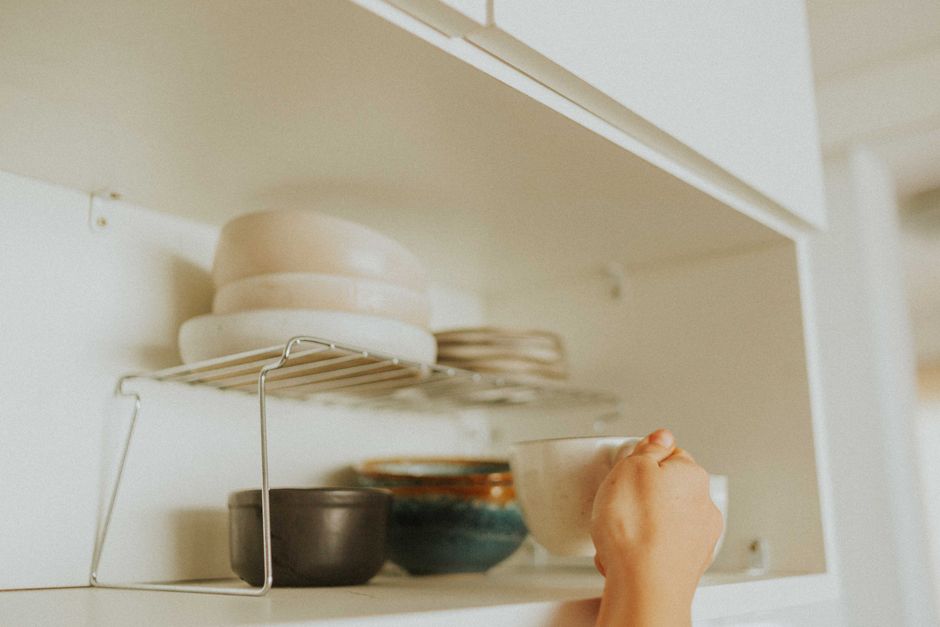
Utilize every inch of your cabinets and drawers with shelf risers, pull-out racks, and drawer dividers. These tools not only increase storage capacity but also keep items organized and accessible.
- Install tiered organizers to easily access different-sized pots and pans.
- Use clear bins and labels to store pantry items, ensuring you can see and reach ingredients quickly.
The Power of Vertical Space
Often overlooked, vertical space can be a game-changer in kitchen organization. Use wall-mounted racks, hooks, and magnet strips to free up countertop space and keep frequently used tools at hand.
"Transform bare walls into valuable storage areas with simple hooks or a pegboard system for utensils and cookware."
Implementing Efficient Workflow Systems
Setting Up a Functional Prep Area
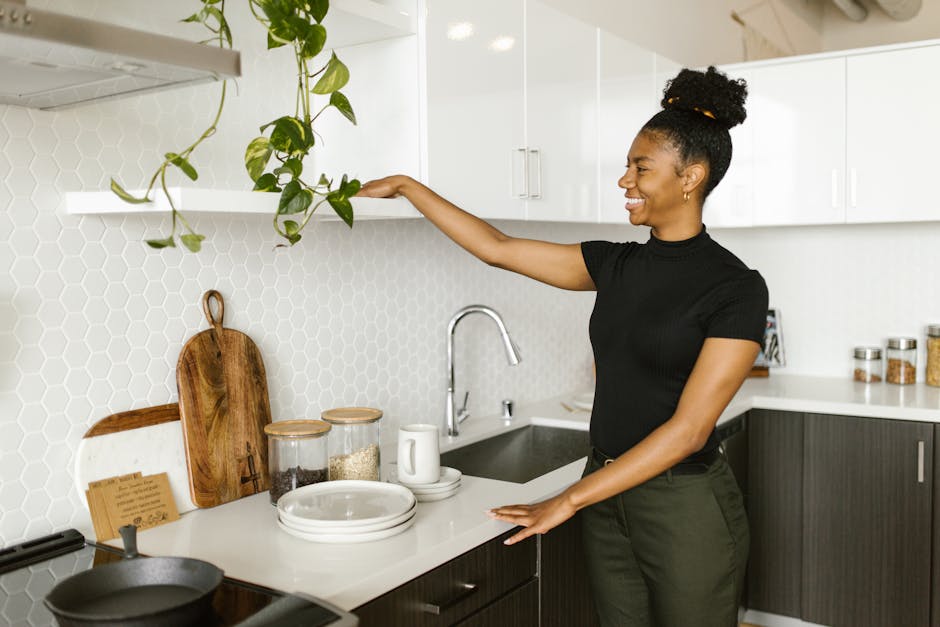
A well-organized prep area can drastically reduce cooking time. Keep essential tools like knives, cutting boards, and mixing bowls in close proximity to where you begin meal preparation.
- Dedicate a section of your counter to prepping, ensuring it's clutter-free and ready for use.
- Store spices and oils in a nearby drawer or rack for quick access during cooking.
Creating Seamless Cooking Stations
Align your cooking station with your prep area for a seamless transition. Keep pots, pans, and utensils nearby, and have a dedicated space for hot items like oven trays and pans.
"Efficiency in the kitchen begins with minimizing steps—create dedicated stations for each stage of cooking."
Maintaining an Organized Kitchen
Daily Habits for Order
Consistently maintaining order in your kitchen requires establishing daily habits. Simple practices, like a nightly clean-up routine, can prevent clutter from accumulating.
- Wash dishes and wipe down surfaces after each meal to keep your kitchen tidy.
- Set aside time weekly to reorganize and reevaluate the placement of items.
Involving the Family
Encourage family members to participate in maintaining the kitchen's organization. Assign tasks and create a communal sense of responsibility for the space.
"When everyone in the household contributes to kitchen upkeep, it lightens the load and fosters a shared respect for the space."
Final Thoughts
Organizing your kitchen is a journey, not a destination. It's about creating a space that works for you, one that supports your cooking habits and enhances your home's atmosphere. By understanding your kitchen's layout, maximizing storage, implementing efficient workflows, and maintaining order, you can transform your kitchen into a haven of culinary creativity.
Remember, the key to a well-organized kitchen is adaptability. As your needs change, be willing to reassess and adjust your strategies to maintain an efficient and joyful cooking environment.