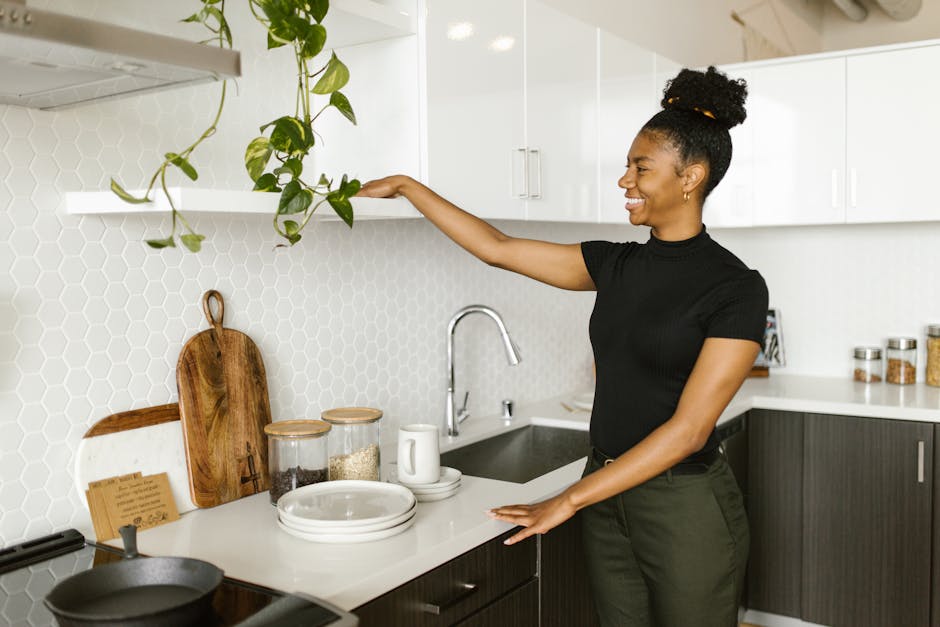
In the fast-paced world we live in, an organized kitchen isn't just a luxury, it's a necessity. Whether you're a busy parent in Lagos or a young professional in Abuja, having a well-organized kitchen can drastically enhance your cooking experience. Imagine reaching for that pot or spice without a minute of hesitation, feeling like a professional chef in your own home. This isn't just a dream; it's a reality you can achieve with the right kitchen organization strategies.
Kitchen organization goes beyond just having a neat space. It's about creating a workflow that saves you time and reduces stress. When your kitchen is organized, you can focus on the joy of cooking, experimenting with new Nigerian recipes or quickly whipping up your family's favorites. Let's delve into how you can transform your kitchen into a paragon of efficiency and style.
Understanding Your Kitchen Space
Before diving into organizing, it's crucial to understand your kitchen's layout and space. Every kitchen is unique, and your organization strategy should cater to your specific needs.
Assessing Available Space
Look around your kitchen and take stock of the available space. Consider the counter space, cabinets, drawers, and even wall space. Are you utilizing them to their full potential?
- Measure your counter space to plan for appliances and prep areas.
- Check cabinet heights and depths to maximize storage.
- Consider wall-mounted shelves for additional storage options.
"Proper assessment of your kitchen space is the first step towards an organized kitchen."
Identifying Key Cooking Zones
A well-organized kitchen typically has designated zones for preparation, cooking, storage, and cleaning. Identifying these zones lets you streamline your workflow.
- Preparation Zone: This area should be near your fridge and pantry. Stock it with chopping boards, knives, and mixing bowls.
- Cooking Zone: Keep it near the stove with easy access to pots, pans, and spatulas.
- Storage Zone: Should be easily accessible for storing food items, spices, and utensils.
- Cleaning Zone: Positioned around the sink area, stocked with cleaning supplies and drying racks.
Decluttering: The Foundation of Organization
Decluttering is a vital step in any organization process. It involves more than just throwing out old items. It's about creating space for what truly matters in your cooking journey.
Sorting and Purging
Start by sorting through your kitchen items. Decide what to keep, donate, or discard. Consider the frequency of use and the necessity of each item.
- Keep: Essential items you use regularly, such as your favorite pot or a set of measuring spoons.
- Donate: Duplicate items or those rarely used but in good condition, such as extra mugs or utensils.
- Discard: Broken items, expired foods, or anything that no longer serves you.
"The key to decluttering is honesty. Be honest about what you truly need and use."
Organizing What's Left
Once you've decluttered, it's time to organize what remains. Use storage solutions that suit your lifestyle and space.
- Use clear containers for pantry items to easily identify contents.
- Utilize drawer dividers to keep utensils neat and accessible.
- Install pull-out shelves in cabinets for better visibility and access.
Utilizing Storage Solutions
Storage solutions can transform even the smallest kitchen into a functional, organized space. Let's explore some innovative ideas.
Creative Use of Vertical Space
When horizontal space is limited, vertical storage can be a game-changer. Utilize your kitchen's height for additional storage.
- Install shelves or racks above the sink or counters for storing frequently used items.
- Hang pots and pans from a ceiling rack to free up cabinet space.
- Attach magnetic strips to walls for storing knives and metal utensils.
"Think vertically to maximize your kitchen's storage potential."
Innovative Cabinet and Drawer Solutions
Cabinets and drawers are the backbone of kitchen storage. Enhancing their utility can revolutionize your kitchen organization.
- Use lazy Susans in corner cabinets for easy access to items.
- Install pull-out trash bins to keep the kitchen neat and odor-free.
- Incorporate adjustable racks to accommodate different pot and pan sizes.
Maintaining an Organized Kitchen
Once your kitchen is organized, maintaining it is an ongoing process. Consistency is key to ensuring your kitchen remains clutter-free and efficient.
Regular Cleaning and Re-Assessment
Set aside time weekly for cleaning and reassessing your kitchen organization. This practice helps you stay on top of clutter.
- Wipe down surfaces and appliances regularly to prevent dirt buildup.
- Review your kitchen zones to see if they still meet your cooking needs.
- Regularly check pantry and fridge contents to avoid expired items.
"An organized kitchen is a clean kitchen. Regular maintenance is non-negotiable."
Adjusting to Lifestyle Changes
Your kitchen needs may change over time due to lifestyle changes, such as a growing family or new dietary preferences. Be ready to adjust your organization strategy accordingly.
- Reallocate zones or storage as needed to accommodate new cooking habits.
- Incorporate new kitchen gadgets or tools as your skills and interests evolve.
Conclusion
Creating an organized kitchen is a journey with immense rewards. From saving time and reducing stress to igniting your passion for cooking, the benefits are boundless. Whether you're cooking a quick dinner on a busy weeknight or experimenting with new Nigerian recipes, an organized kitchen sets you up for success. Embrace these strategies and transform your kitchen into a space that is not only functional but also a joy to work in. Happy organizing!