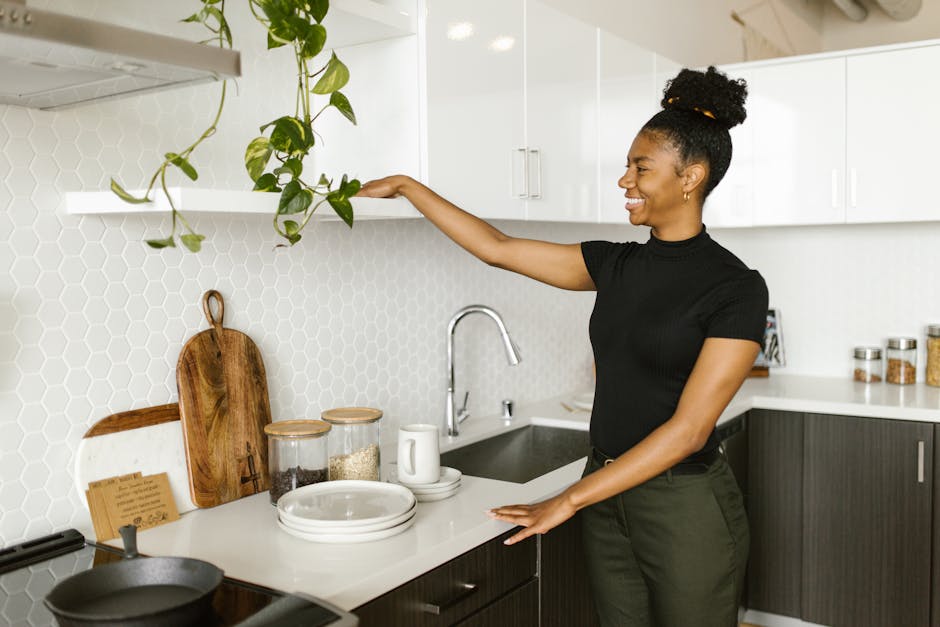
Does your kitchen often feel cluttered, making the simple task of cooking more like a treasure hunt? You're not alone. Many Nigerian homes face the challenge of limited kitchen space, which can quickly become disorganized. But fear not, with a few strategic changes and some practical tips, you can transform your kitchen into an efficient and enjoyable space.
In this blog post, we'll dive deep into kitchen organization strategies specifically tailored for Nigerian households. From maximizing storage space to maintaining a clutter-free countertop, these tips will help you manage your kitchen effectively and make cooking a delightful experience.
Understanding Your Kitchen Space
Before you begin overhauling your kitchen organization, it's essential to understand and assess the space you have. Every kitchen is unique, and what works for one might not work for another.
Assessing Your Needs
Start by evaluating your cooking habits and the types of meals you usually prepare. Do you need more space for pots and pans, or is your pantry overflowing with staples like rice and beans?
- Take inventory of your kitchen items.
- Identify the frequently used items versus those you can store away.
- Consider any upcoming changes to your kitchen needs.
Understanding these aspects can help you make informed decisions about organization strategies.
Creating Zones
Divide your kitchen into functional zones based on activities such as preparation, cooking, cleaning, and storage. This approach can streamline your culinary workflow.
- Keep your cooking utensils and spices near the stove.
- Store dishware close to the dining area.
- Organize your pantry for easy access to essentials.
"A well-zoned kitchen reduces chaos and increases efficiency."
Maximizing Storage Solutions
One of the biggest challenges in Nigerian kitchens is making the most of limited storage space. Here are some clever solutions to try.
Smart Cabinetry
Investing in customizable cabinetry can greatly enhance your kitchen's functionality. Consider options like pull-out shelves and corner units.
- Utilize vertical space with tall cabinets.
- Include pull-out shelves for easy accessibility.
- Install corner units to avoid dead space.
Utilizing Wall Space
Don't overlook your walls! They can provide additional storage opportunities.
- Install wall-mounted racks for pots and pans.
- Use magnetic strips for knives and metal utensils.
- Hang spice racks to free up cabinet space.
"Walls are the most underutilized storage areas in the kitchen."
Decluttering and Maintenance
Keeping your kitchen organized isn't just about creating space; it's also about maintaining it. Here's how you can keep clutter at bay.
Regular Cleaning
A regular cleaning schedule can prevent your kitchen from becoming a chaotic mess.
- Set aside time each week for a thorough clean.
- Wipe down surfaces daily to avoid buildup.
- Organize your pantry monthly to check expiration dates.
Mindful Purchasing
Being mindful of what you bring into your kitchen can prevent unnecessary clutter.
- Buy only what you need and use frequently.
- Opt for multi-functional appliances to save space.
- Avoid buying in bulk unless necessary.
"A clutter-free kitchen is a result of conscious decisions and regular maintenance."
Incorporating Technology
In today's world, technology can play a significant role in keeping your kitchen organized and efficient.
Smart Appliances
Consider investing in smart appliances to enhance efficiency.
- Use a smart fridge to track your food inventory.
- Install a smart oven for precise cooking.
- Use kitchen apps to manage shopping lists and meal planning.
Digital Inventory Management
Utilizing digital tools can help you keep track of your kitchen inventory.
- Apps like My Pantry can alert you to expiring items.
- Set reminders for restocking essential ingredients.
- Use digital labels for easy identification of stored items.
Conclusion
Creating an organized kitchen in a Nigerian home doesn't require a complete overhaul. With a little creativity and strategic planning, you can maximize the use of your space, making it both functional and aesthetically pleasing. Remember, the key is to tailor these tips to fit your unique needs and lifestyle. Happy cooking!