Welcome to the heart of every Nigerian home: the kitchen. It's where flavorful meals are prepared, memories are made, and sometimes, it's where you find a little peace amidst chaos. But let's face it, a disorganized kitchen can quickly turn cooking from a delightful experience into a frustrating chore. That's why mastering kitchen organization is crucial, not only for efficiency but also for ensuring that your kitchen remains the comforting haven it's meant to be.
Whether you live in a bustling city like Lagos or a more serene setting, the fundamentals of kitchen organization remain the same. In this article, we'll explore practical tips and strategies tailored specifically for Nigerian homes. From managing small spaces to incorporating local elements, we're here to guide you towards a more organized kitchen with a distinct Nigerian flair.
Understanding Your Space
Before diving into organization tips, it's essential to understand the size and layout of your kitchen. Nigerian kitchens vary from compact single-walled spaces to larger, more expansive areas.
Assess Your Kitchen Layout
Take a moment to evaluate the layout. Is your kitchen U-shaped, L-shaped, or galley-style? The design influences how you can maximize space efficiently.
- Identify key areas like the cooking zone, prep area, and storage.
- Consider workflow patterns to ensure seamless movement.
Embrace Vertical Storage
Wall-mounted racks and shelves can be game-changers in a Nigerian kitchen, where space might be a luxury. Utilize these for spices, utensils, and other frequently used items.
Remember, vertical space is often underutilized but can significantly expand your storage capacity.
Decluttering: The First Step
Clutter is the enemy of organization. To truly master your kitchen, you'll need to embrace the art of decluttering.
Conduct a Kitchen Audit
Go through each cabinet and drawer to evaluate what you use regularly versus what collects dust. Be ruthless – if it hasn't been used in a year, it's time to say goodbye.
- Sort items into 'keep', 'donate', and 'discard' piles.
- Consider donating unused appliances to local charities.
Organize by Frequency of Use
Store items based on how often you use them. Everyday items should be easily accessible, while seldom-used items can be stored in higher or harder-to-reach areas.
"The key to a functional kitchen is not how much you have, but how well you organize what you own."
Smart Storage Solutions
Once the clutter is gone, it's time to explore storage solutions that align with your cooking style and needs.
Utilize Drawer Dividers
Drawer dividers help keep cutlery and small utensils in order, preventing them from becoming a jumbled mess.
- Adjustable dividers can be tailored to fit your specific needs.
- Consider bamboo or plastic for easy cleaning.
Creative Use of Containers
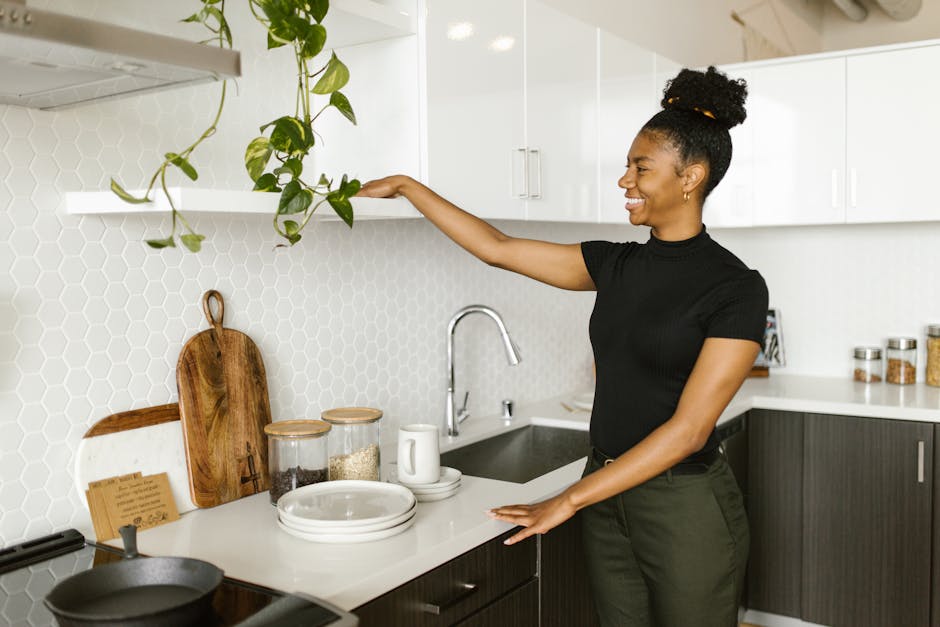
Invest in clear, stackable containers for grains, spices, and other essentials. This not only preserves freshness but also provides a visually appealing and organized pantry.
Labeling containers with names and expiration dates adds an extra layer of organization.
Incorporating Nigerian Elements
Your kitchen should reflect your culture and personality. Incorporating Nigerian elements can make the space feel more welcoming and uniquely yours.
Display Local Artifacts
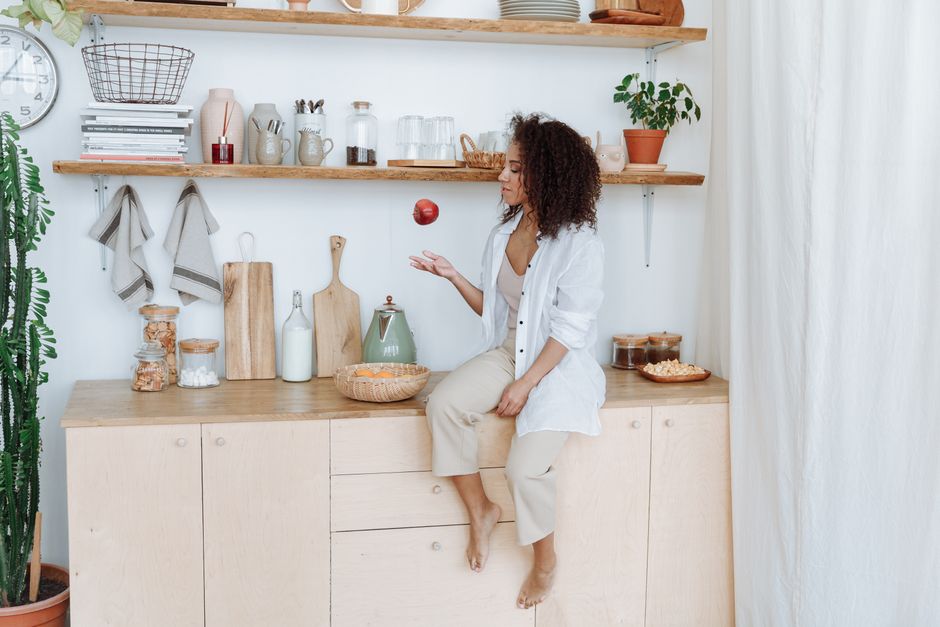
Use open shelves to display beautiful Nigerian pottery or woven baskets. These not only add a personal touch but can also serve as functional pieces.
- Avoid overcrowding to maintain a clean look.
- Rotate items to keep the decor fresh and interesting.
Use Traditional Storage Methods
Embrace traditional storage solutions like using calabashes for storing dry foods. Not only are they environmentally friendly, but they also add a rustic charm to your kitchen.
"A touch of culture brings warmth and familiarity to your culinary space."
Maintaining Your Organized Kitchen
Once you've organized your kitchen, maintaining it is the next challenge. Consistency is key to ensuring your kitchen remains a functional and enjoyable space.
Develop a Cleaning Routine
Set aside time each week for a quick clean-up. Wipe down surfaces, check pantry items for expiration, and reorganize as needed.
- Involve family members to make it a fun activity.
- Regularly check for items that need replenishing.
Adapt and Adjust
Your needs will change over time, so be prepared to adapt your organizational strategies. What worked last year might not be as effective this year.
"An organized kitchen is a journey, not a destination. Continually refine and adapt to suit your evolving lifestyle."
Conclusion
An organized kitchen is more than just aesthetics; it's about creating a space that supports your culinary adventures and enhances your daily life. By incorporating these tips and infusing your personal touch, you can transform your kitchen into a well-organized oasis that truly feels like home. So, roll up your sleeves and start organizing – your future self will thank you!