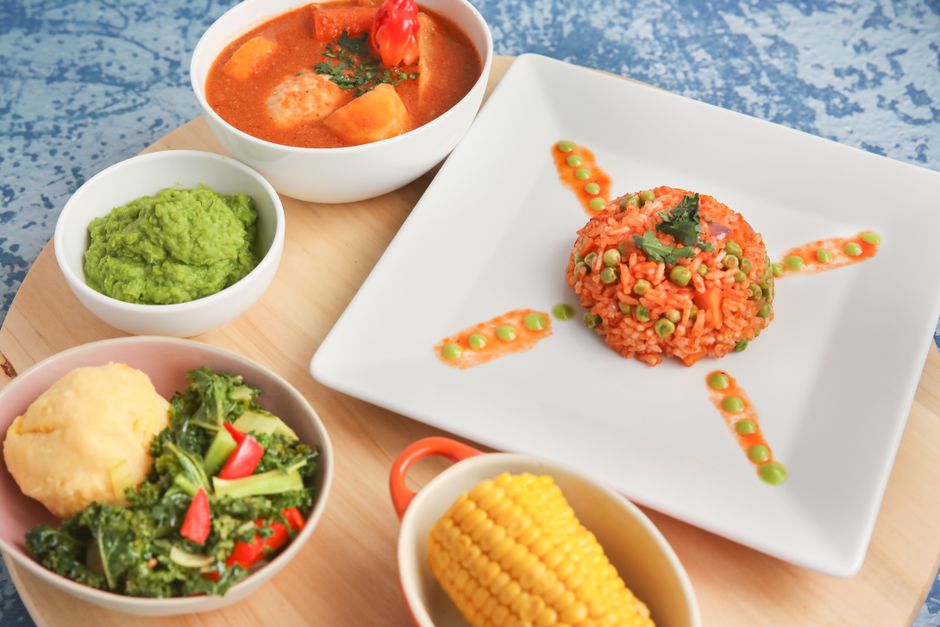
Nigerian Jollof Rice is more than just a dish; it's a symbol of celebration, family gatherings, and the rich culinary heritage of Nigeria. Known for its vibrant color and spicy aroma, Jollof Rice is a staple at parties and a subject of friendly debates across West Africa. Whether you're preparing it for a special occasion or a simple family meal, mastering Jollof Rice is a rewarding culinary achievement.
In this guide, we'll delve into the world of Jollof Rice, exploring its origins, essential ingredients, and step-by-step cooking method. We'll also share tips on how to make your Jollof Rice stand out, along with common mistakes to avoid. So, grab your apron and let's get started!
The Origins of Jollof Rice
The story of Jollof Rice is as rich and colorful as the dish itself. Originating from the Senegambian region, Jollof Rice has traveled across West Africa, evolving and adapting to local tastes and ingredients. In Nigeria, it has become a beloved national treasure, often at the center of lively debates about which country makes it best.
The Cultural Significance
Jollof Rice is more than just a meal; it's a cultural icon. In Nigerian homes, it's a dish that brings people together, a centerpiece for celebrations, and a testament to the country's diverse culinary landscape. Each family has its own secret recipe, adding a personal touch to this timeless classic.
Essential Ingredients for Nigerian Jollof Rice
Creating the perfect Jollof Rice requires a careful selection of ingredients that contribute to its unique flavor and texture. Here's what you'll need:
- Rice: Long-grain parboiled rice is preferred for its ability to absorb flavors without becoming mushy.
- Tomatoes: Fresh, ripe tomatoes or tinned tomato paste provide the rich red color.
- Peppers: Red bell peppers and scotch bonnets add a spicy kick.
- Stock: Chicken or vegetable stock enhances the taste.
- Spices: Thyme, curry powder, and bay leaves for aroma.
- Vegetable oil: For sautéing and adding richness.
- Onions and garlic: For depth of flavor.
Optional Additions
To personalize your Jollof Rice, consider adding vegetables such as carrots and peas or proteins like chicken, beef, or fish.
Step-by-Step Cooking Instructions
Now that we've gathered our ingredients, let's move on to the cooking process:
Step 1: Preparing the Tomato Base
Blend the tomatoes, red bell peppers, and scotch bonnets until smooth. In a large pot, heat oil over medium heat and sauté chopped onions and garlic until translucent. Add the tomato blend and cook until the oil floats on top, stirring occasionally.
Step 2: Cooking the Rice
Rinse the rice thoroughly to remove excess starch. Add it to the tomato base along with the stock, spices, and bay leaves. Stir well and bring to a boil. Reduce the heat, cover the pot, and let it simmer until the rice is cooked and the liquid is absorbed.
Step 3: Finishing Touches
Once the rice is cooked, fluff it with a fork and add your optional vegetables or proteins. Cover the pot with foil to trap steam and let it sit for a few minutes before serving.
Common Mistakes and How to Avoid Them
Even the most experienced chefs can make mistakes. Here are some common pitfalls to watch out for when making Jollof Rice:
- Burning the rice: Use a heavy-bottomed pot and keep the heat low.
- Overcooking the rice: Keep an eye on the water level and don't be afraid to add a little more stock if needed.
- Lack of flavor: Use quality stock and don't skimp on spices.
"The secret to great Jollof Rice is patience and love. Let the flavors meld together, and you'll be rewarded with a dish that's sure to impress."
Final Thoughts
Making Nigerian Jollof Rice is an art that combines tradition, flavor, and creativity. By following this guide, you're not just cooking a meal; you're embracing a culinary heritage that has been passed down through generations. Whether you're a seasoned cook or a beginner, Jollof Rice is a dish that brings joy and satisfaction to any table. So, gather your ingredients, follow these steps, and enjoy the rich, spicy goodness that is Nigerian Jollof Rice!