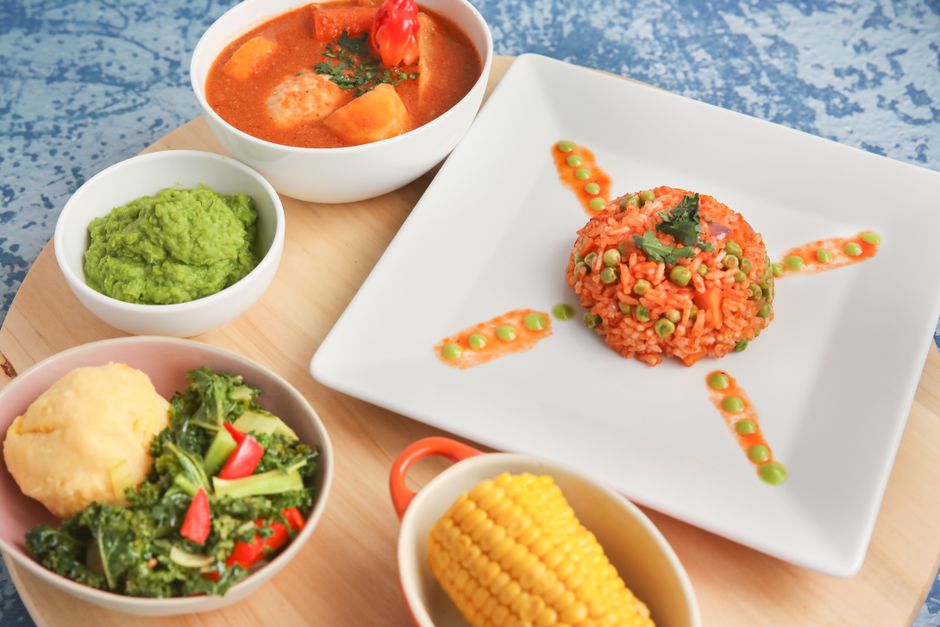
Nigerian Jollof Rice is more than just a dish; it's a symbol of celebration, a taste of home, and a culinary delight that brings people together. If you've ever attended a Nigerian gathering, you've likely tasted this delicious, vibrant dish that harmoniously blends tomatoes, peppers, and spices. Ready to become a Jollof Rice maestro? Let's embark on this flavorful journey together!
Whether you're a seasoned chef or a kitchen novice, this guide is designed to help you master Jollof Rice with ease. We'll dive into the essential ingredients, explore traditional cooking techniques, and share tips for perfecting this beloved recipe. By the end of this article, you'll not only have a foolproof Jollof Rice recipe but also the confidence to impress your family and friends.
Understanding Jollof Rice
Before we dive into the recipe, it's important to understand the essence of Jollof Rice. This dish has a rich history that spans across West Africa, with each region adding its unique twist. However, Nigerian Jollof Rice is particularly revered for its vibrant color, rich flavor, and versatility.
The Origin and Significance
Jollof Rice traces its origins back to the Senegambia region, from where it spread to other parts of West Africa. In Nigeria, it has become a staple at parties, weddings, and family gatherings. It's a dish that celebrates unity, laughter, and good times.
Key Ingredients
The magic of Jollof Rice lies in its simple yet flavorful ingredients. Here's what you'll need:
- Rice: Long-grain parboiled rice is preferred for its texture and ability to absorb flavors.
- Tomatoes and Peppers: Fresh tomatoes, bell peppers, and scotch bonnet peppers provide the signature red hue and spicy kick.
- Onions: Sautéed onions add depth and sweetness.
- Stock: Chicken or vegetable stock enriches the flavor profile.
- Spices: Thyme, bay leaves, and curry powder are essential for that authentic taste.
Preparing the Perfect Jollof Rice
Step-by-Step Cooking Guide
Now that we have the ingredients ready, let's proceed with cooking this vibrant dish:
- Blend the Base: Start by blending tomatoes, bell peppers, and onions into a smooth paste.
- Sauté the Onions: In a large pot, heat oil and sauté onions until translucent. Add the blended paste and fry on medium heat until it reduces and thickens.
- Add Spices: Introduce thyme, bay leaves, curry powder, and a pinch of salt. Stir for a few minutes to release the flavors.
- Incorporate Stock: Pour in the stock and let it simmer for about 10 minutes.
- Add the Rice: Rinse and add the parboiled rice to the mixture. Stir well to combine all ingredients.
- Cook to Perfection: Reduce the heat, cover the pot, and allow the rice to cook on low heat. Stir occasionally to prevent burning.
Achieving the Perfect Texture
A great Jollof Rice should be moist, not mushy, with each grain perfectly separate. To achieve this, avoid adding too much water, and always use parboiled rice for the best results.
"Patience is key when cooking Jollof Rice. Allowing it to cook slowly ensures all the flavors meld beautifully."
Common Mistakes to Avoid
Overcooking the Rice
One common mistake is overcooking the rice, leading to a soggy texture. Always keep an eye on the rice and check its consistency.
Using the Wrong Rice
For the best results, stick with long-grain parboiled rice. It holds up well during cooking and absorbs flavors without becoming mushy.
Skimping on Seasoning
Jollof Rice is all about bold flavors. Don't be afraid to season generously with spices and stock for a truly unforgettable dish.
Serving Suggestions
Jollof Rice is incredibly versatile and can be served with various sides and proteins. Here are some popular options:
- Grilled Chicken: A classic pairing for a hearty meal.
- Fried Plantains: Sweet and savory, these are a must-have accompaniment.
- Coleslaw: Fresh, crunchy coleslaw complements the richness of Jollof Rice.
- Seafood: Grilled prawns or fish add a coastal twist to the dish.
Conclusion
Mastering Nigerian Jollof Rice is a rewarding culinary endeavor that brings joy to both the cook and the diners. With the right ingredients, techniques, and a little patience, you can create a dish that's not just a meal but an experience. So, gather your ingredients, embrace the aromas, and let your taste buds revel in the flavors of Nigeria. Happy cooking!