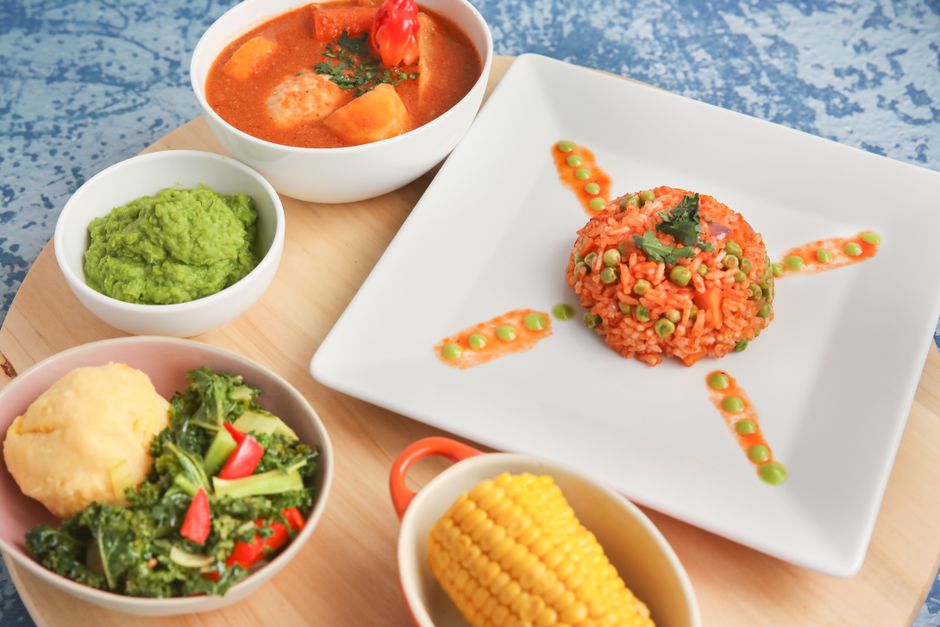
Jollof Rice is more than just a meal in Nigeria; it's a cultural symbol, a dish that brings people together at celebrations, Sunday dinners, and casual gatherings. Whether you're a seasoned cook or a beginner in the kitchen, mastering the art of making Jollof Rice is a culinary journey worth embarking on. In this comprehensive guide, we'll walk you through every step, from choosing the right ingredients to the final, delicious bite of this iconic Nigerian dish.
The History and Significance of Jollof Rice
Before we dive into the cooking process, let's explore the rich history of Jollof Rice. Originating from the Senegambian region, Jollof Rice has traveled across West Africa, morphing into various regional versions. In Nigeria, it has become a staple, deeply embedded in the culture and celebrated for its vibrant color and rich flavor.
Jollof Wars: A Friendly Rivalry
In West Africa, the Jollof Rice rivalry between Nigeria and Ghana is both famous and friendly. Each claims to have the superior version, sparking debates and taste tests at social gatherings. This friendly competition has even reached the global stage, with Jollof festivals held to showcase the best versions of this beloved dish.
The Culinary Significance
Jollof Rice is not just a dish; it's an expression of love and community. Cooked often for large gatherings, it's served at weddings, birthdays, and other festive events, symbolizing unity and celebration among family and friends.
Essential Ingredients for Authentic Jollof Rice
To make the perfect Jollof Rice, starting with the right ingredients is crucial. Here's a list of what you'll need:
- Rice: Long-grain parboiled rice is preferred for its ability to soak up flavors without becoming mushy.
- Tomatoes: Fresh or canned tomatoes provide the base of the sauce.
- Red Bell Peppers: These add sweetness and depth to the sauce.
- Onions: Essential for the sauce, onions add flavor and aroma.
- Seasonings: Include thyme, curry powder, bay leaves, and chicken bouillon cubes for an authentic taste.
- Protein: Chicken, beef, or fish can be added for extra flavor and richness.
Choosing the Right Rice
For the uninitiated, choosing the right type of rice can make or break your Jollof Rice. Long-grain parboiled rice is recommended because it holds its shape and absorbs flavors well. It's the secret to achieving the perfect texture.
Fresh vs. Canned Tomatoes
Both fresh and canned tomatoes can be used to create the Jollof Rice sauce. Fresh tomatoes offer a more authentic taste, while canned tomatoes provide convenience and consistency, especially for beginners.
Step-by-Step Jollof Rice Recipe
Now that you have your ingredients ready, let's walk through the cooking process.
Preparing the Tomato Sauce
- Blend: Blend tomatoes, red bell peppers, and onions until smooth.
- Sauté: Heat oil in a pot, add sliced onions, and sauté until translucent.
- Cook: Pour the blended mixture into the pot, season with thyme, curry powder, and bouillon cubes. Let it simmer until it thickens.
Cooking the Rice
- Rinse: Thoroughly rinse the rice to remove excess starch.
- Combine: Add the rice to the tomato sauce, ensuring it's well coated.
- Simmer: Add water or broth, cover, and let it simmer on low heat until the rice is cooked through.
Adding the Protein
If using chicken, beef, or fish, pre-cook your protein of choice. Add it to the rice during the last few minutes of cooking to infuse flavor without overcooking.
Common Mistakes and How to Avoid Them
Even experienced cooks can sometimes make mistakes when preparing Jollof Rice. Here are some common pitfalls and how to avoid them:
Overcooking the Rice
One of the most common mistakes is overcooking the rice, leading to a mushy texture. Ensure you measure the water or broth accurately and monitor the cooking time closely.
Not Enough Seasoning
Another common issue is under-seasoning. Jollof Rice should be rich and flavorful, so don’t shy away from adding enough spices and seasonings to make the flavors pop.
"The secret to perfect Jollof Rice lies in the balance of flavors. Don’t be afraid to taste and adjust seasonings as you go."
Serving Suggestions and Variations
Jollof Rice is incredibly versatile and can be served in various ways. Here are some ideas:
Traditional Pairings
- Fried Plantains: Sweet plantains fried to perfection make a delightful side dish.
- Moi Moi: A steamed bean pudding that complements the rice beautifully.
- Salad: A refreshing side salad with cucumbers, tomatoes, and lettuce adds a fresh crunch.
Modern Twists
For a modern twist, try incorporating vegetables like peas or carrots into the rice, or experiment with different proteins like shrimp for a seafood version.
Conclusion
Jollof Rice is more than just a delicious meal; it's a testament to Nigeria's rich culinary heritage. With this guide, you're well-equipped to prepare Jollof Rice that will impress even the toughest critics. Remember, the key is in the details: the right ingredients, patience in cooking, and a passion for the process. So gather your ingredients, invite friends over, and dive into the delightful world of Nigerian Jollof Rice.