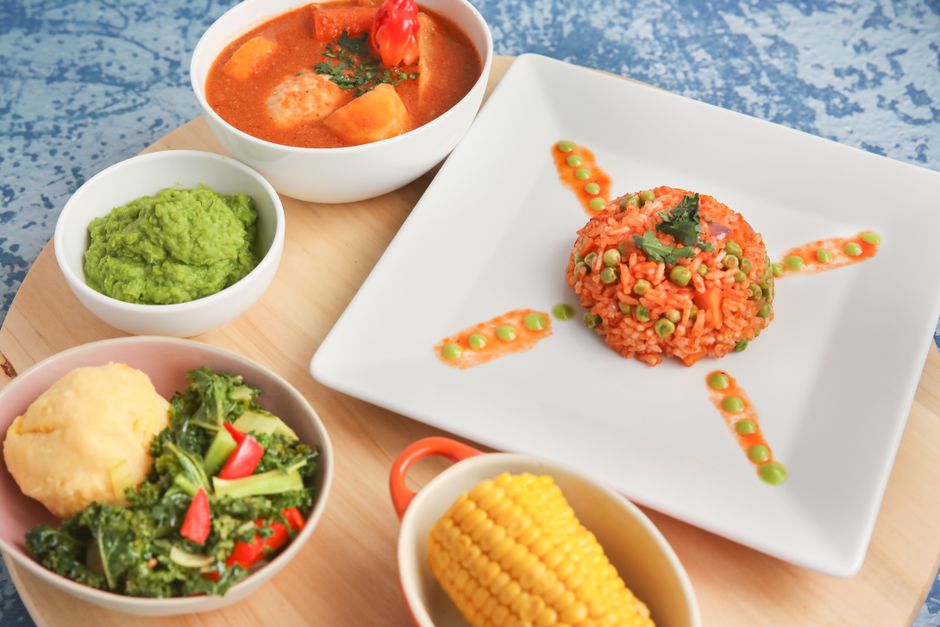
Jollof Rice is not just a dish; it’s a cultural phenomenon in Nigeria. It holds a special place in Nigerian cuisine, celebrated at parties, weddings, and even casual gatherings. Learning to cook Jollof Rice can be a rewarding experience, opening the door to a world of flavors and culinary techniques unique to Nigeria. This guide will walk you through the essentials of crafting the perfect pot of Jollof Rice, offering tips, tricks, and variations to suit your taste.
Whether you're a novice in the kitchen or a seasoned cook looking to perfect your skills, understanding the intricacies of Jollof Rice will ensure you create a dish that's not only delicious but also true to its roots. Let’s dive into the world of Jollof Rice and discover how you can make this beloved dish a staple in your home.
The Basics of Jollof Rice
Before you start cooking, it's essential to understand the basic ingredients and tools needed for Jollof Rice. Traditionally, the dish is made with long-grain parboiled rice, tomatoes, onions, and a blend of spices. However, various regions and families have their unique twists on the recipe.
Essential Ingredients
- Rice: Long-grain parboiled rice is preferred for its ability to absorb flavors without becoming mushy.
- Tomatoes: Fresh tomatoes, tomato paste, and sometimes canned tomatoes form the base of the sauce.
- Onions: Red onions are commonly used, adding sweetness and depth.
- Spices: A combination of thyme, curry powder, and bay leaves provide aromatic flavors.
- Stock: Chicken or vegetable stock enhances the richness of the dish.
Tools You'll Need
- Large Pot: A heavy-bottomed pot helps distribute heat evenly.
- Wooden Spoon: Useful for stirring without damaging the rice.
- Blender: Necessary for blending the tomato and pepper mixture.
The Cooking Process
Cooking Jollof Rice involves a methodical process that ensures every grain is infused with flavor. Let's explore each step in detail.
Preparing the Sauce
This is the heart of the Jollof Rice, where the flavors begin to build. Start by blending your tomatoes, red bell pepper, and onions into a smooth puree.
"The secret to a rich sauce is sautéing your onions until caramelized; this builds a deep, savory base for your Jollof Rice."
Once blended, fry the mixture in oil until it reduces and the raw tomato smell disappears. This step is crucial for developing the sauce's flavor profile.
Cooking the Rice
After the sauce is ready, add in your washed rice, ensuring it absorbs the sauce evenly. Pour in the stock and bring the mixture to a boil. Reduce to a simmer and cover with foil to trap steam, cooking until the rice is tender and fluffy.
"Stir gently and sparingly to avoid breaking the rice grains, ensuring a perfect texture."
Adding Your Personal Touch
Jollof Rice is versatile, allowing for personal twists that can make your dish stand out.
Protein Additions
Add grilled chicken, shrimp, or beef to your Jollof Rice for added flavor and protein. The protein can be marinated and cooked separately, then folded into the rice towards the end of cooking.
Vegetable Variations
Incorporate vegetables like carrots, peas, or green beans for extra texture and nutritional value. These should be added towards the end of the cooking process to retain their crunch and color.
Perfect Pairings
Jollof Rice is a star on its own, but it can be complemented with side dishes that enhance its flavors.
Side Dishes
- Fried Plantains: Their sweetness balances the spicy and savory notes of the Jollof Rice.
- Coleslaw: This refreshing side adds a crunch and creaminess that pairs well with the dish.
- Moi Moi: A steamed bean pudding that adds protein and texture.
Conclusion
Mastering the art of cooking Nigerian Jollof Rice is both an achievement and a joy. With this guide, you have the tools and knowledge to create a dish that embodies the rich and diverse culinary traditions of Nigeria. Remember, the best Jollof Rice is made with love, patience, and a touch of creativity. Share it with family and friends, and enjoy every flavorful bite.