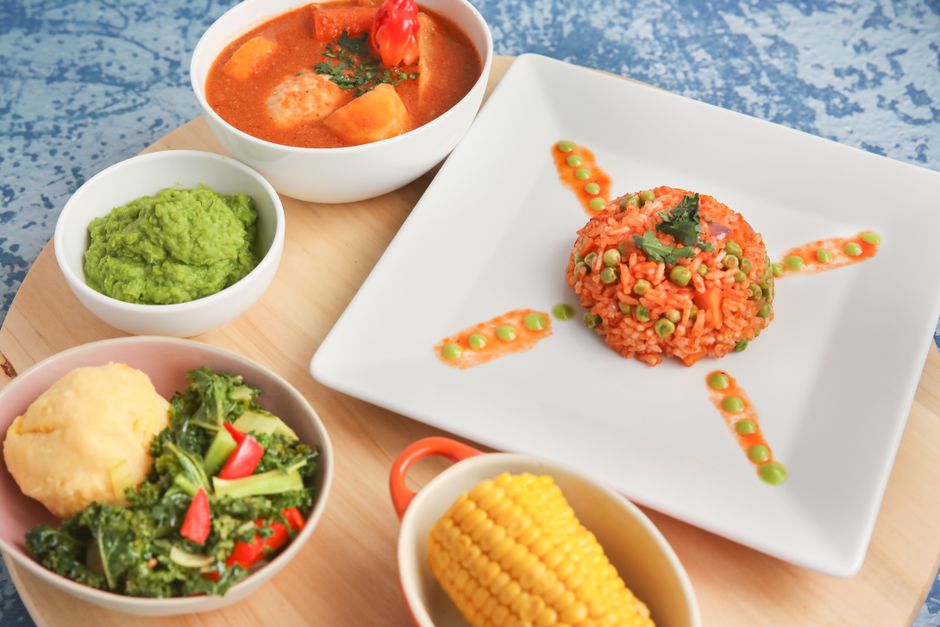
Nigerian Jollof Rice is more than just a meal — it’s a cultural icon, a source of national pride, and a centerpiece at any celebratory gathering. This vibrant, one-pot dish has captured the hearts of Nigerians and food lovers globally. Whether you're cooking for a family dinner or a festive occasion, mastering Jollof Rice can elevate your culinary skills and bring a taste of Nigeria to your table.
The secret to achieving the perfect Jollof Rice lies in the balance of flavors, the choice of ingredients, and the technique in cooking. From selecting the ideal type of rice to infusing it with a delightful blend of spices and tomato-based sauce, each step requires a touch of precision and creativity. Join us as we delve into the art of cooking Jollof Rice, uncovering tips and secrets that will make you the star of any event.
Understanding the Ingredients
The foundation of a great Jollof Rice begins with understanding its core ingredients. Each component plays a crucial role in delivering the dish's characteristic taste.
Rice Selection
Choosing the right rice is essential. Long-grain parboiled rice is favored for its firmness and ability to absorb flavors without becoming mushy. It is essential to rinse the rice thoroughly to remove excess starch, which can alter the texture.
Tomato Paste and Fresh Tomatoes
The rich, red color of Jollof Rice comes from a blend of tomato paste and fresh tomatoes. This combination creates a flavorful base sauce that coats each grain of rice.
- Use ripe tomatoes for a sweeter taste.
- Blend tomatoes to a smooth consistency for an even sauce.
Spices and Seasoning
Spices are the heart of Jollof Rice. A mix of thyme, curry powder, bay leaves, and seasoning cubes adds depth and complexity to the dish.
A well-balanced spice blend transforms good Jollof Rice into an unforgettable experience.
Vegetables and Proteins
Adding vegetables like onions, bell peppers, and carrots not only enhances flavor but also adds color and texture. Proteins such as chicken or fish can be included for a hearty meal.
The Cooking Process
Cooking Jollof Rice requires patience and attention to detail, from frying the base sauce to the final simmering of the rice.
Frying the Base Sauce
Start by frying onions in vegetable oil until they are translucent. Add the blended tomato mixture, tomato paste, and spices. Allow this to simmer until the oil separates from the sauce, indicating it's well-cooked.
- Ensure the sauce is thick and concentrated for intense flavor.
Incorporating the Rice
Add the rinsed rice to the sauce, ensuring each grain is well-coated. This step is crucial for flavor absorption.
Simmering to Perfection
Once the rice is added, introduce a measured amount of stock or water. Cover the pot with foil and a tight-fitting lid to trap steam and cook the rice evenly.
- Cook on low heat to prevent the rice from burning.
- Check occasionally but avoid stirring to maintain the integrity of the grains.
Common Mistakes to Avoid
Even experienced cooks can make mistakes. Here are common pitfalls to watch out for:
Too Much Water
Adding excessive water can lead to soggy rice. Always measure the liquid carefully.
Cooking on High Heat
High heat can scorch the rice bottom, leading to burnt flavors. Slow and steady cooking yields the best results.
Serving Suggestions and Variations
Jollof Rice is versatile and can be served in many exciting ways.
Pairing with Sides
Pair Jollof Rice with fried plantains, coleslaw, or moi moi. These sides complement the dish's flavors and add variety to your meal.
Creative Twists
Experiment with different proteins or vegetables. Seafood Jollof or vegetarian versions can offer new tastes and textures.
Conclusion
Mastering Nigerian Jollof Rice is a culinary journey worth undertaking. With the right ingredients, techniques, and a little practice, you can create a dish that embodies the heart and soul of Nigerian cuisine. Whether you stick to traditional methods or explore new variations, Jollof Rice remains a beloved favorite, ready to delight your taste buds and impress your guests.