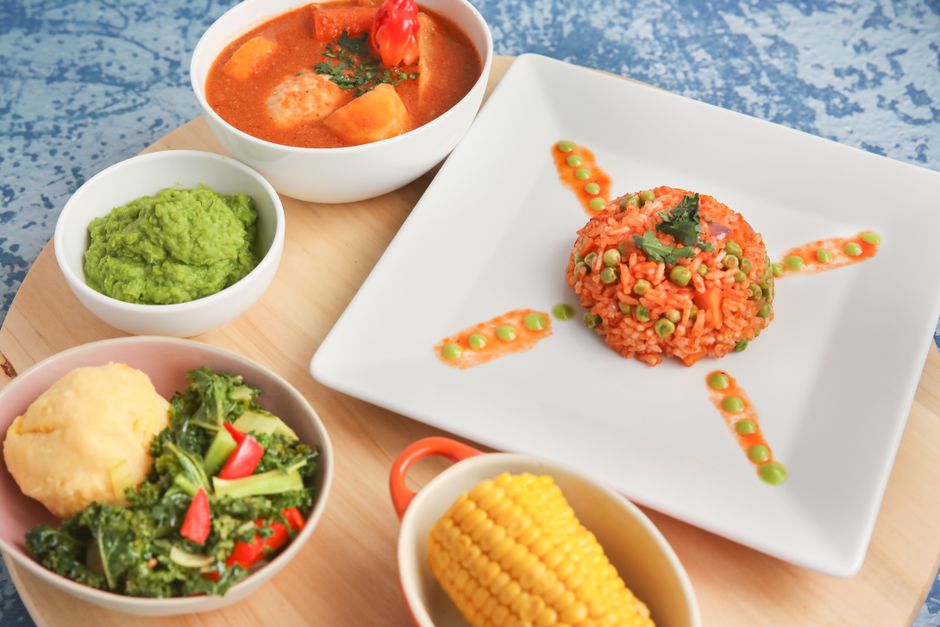
When it comes to Nigerian cuisine, nothing quite captures the heart and soul of the nation like Jollof Rice. This vibrant, flavorful dish is a staple at Nigerian gatherings, from weddings to birthday celebrations. The tantalizing aroma of Jollof Rice cooking is enough to make anyone's mouth water, and its rich, spicy flavor is simply irresistible. But how do you go from admiring this dish to mastering it in your own kitchen? Whether you're a novice cook or a seasoned chef, this guide will walk you through the steps to create the perfect pot of this iconic West African dish.
Jollof Rice has captured the hearts of many across the globe, and for good reason. It's a one-pot dish that's as comforting as it is delicious. If you're in Nigeria, you'll know that every family has their own unique take on Jollof Rice. However, there are some key elements that remain constant, ensuring that every bite bursts with flavor and a hint of nostalgia. Join us as we dive into the world of Jollof Rice, exploring its history, ingredients, and techniques to help you achieve culinary perfection.
Forget about the debates over which country makes the best Jollof or whether you're team party Jollof or homemade; today, we're focusing on the essential tips and tricks to help you prepare Jollof Rice that's bound to impress.
The Rich History of Jollof Rice
Before we roll up our sleeves and get cooking, it's essential to understand the origins of Jollof Rice. This dish, known for its rich red color, hails from the Senegambian region, but has been embraced and adapted by many West African countries. Nigeria, in particular, has made Jollof Rice its own, adding its distinctive spicy twist.
Origins and Evolution
The word 'Jollof' is derived from the Wolof people, who are believed to have introduced the dish to the region. Over time, Jollof Rice spread across West Africa, with each country putting its unique spin on the recipe. In Nigeria, the addition of local spices and ingredients has led to a version that's deeply flavorful and aromatic.
The Jollof Wars
The friendly rivalry over who makes the best Jollof Rice is known as the 'Jollof Wars'. While this is often a light-hearted debate among countries like Nigeria, Ghana, and Senegal, it highlights the cultural significance and pride associated with the dish. In Nigeria, the secret to great Jollof Rice is often attributed to using rich, flavorful tomatoes and a precise balance of spices.
Essential Ingredients for Nigerian Jollof Rice
Creating the perfect Jollof Rice starts with gathering the right ingredients. While the list may seem simple, the magic lies in how these ingredients are used to create layers of flavor.
The Core Ingredients
- Rice: Long-grain parboiled rice is ideal as it absorbs flavors well without becoming mushy.
- Tomatoes: Fresh, ripe tomatoes are a must for the base sauce.
- Peppers: A mix of red bell peppers and Scotch bonnet peppers brings both sweetness and heat.
- Onions: Essential for depth of flavor and aroma.
- Spices: Bay leaves, curry powder, thyme, and bouillon cubes are commonly used to enhance taste.
Additional Flavor Boosters
While the core ingredients form the backbone of Jollof Rice, there are a few optional additions that can elevate the dish:
- Stock: Using chicken or vegetable stock instead of water can intensify flavor.
- Butter: A small amount of butter towards the end of cooking adds richness.
- Smoked fish or meat: For a smoky, savory twist, consider adding these proteins.
Step-by-Step Guide to Cooking Jollof Rice
Now that we've gathered our ingredients, it's time to bring them together in a harmonious dish. Follow these steps to ensure your Jollof Rice is a success.
Preparing the Tomato Base
Start by blending tomatoes, red peppers, and onions into a smooth puree. This will form the base of your sauce, which is crucial for infusing the rice with flavor.
Next, heat oil in a large pot and fry the puree along with spices till it thickens and the oil rises to the top. This step is essential for developing the dish's rich taste.
Cooking the Rice
Once the sauce is ready, stir in the rice and ensure it's well coated with the sauce. Add stock, cover the pot, and let it simmer on low heat. Patience is key, as this slow cooking allows the rice to absorb all the flavors.
Finishing Touches
Halfway through cooking, check the rice. If needed, add more stock or water. Towards the end, you can add a dollop of butter for a velvety finish. Allow the rice to steam, which helps it remain fluffy and enhances the overall taste.
Common Mistakes and How to Avoid Them
Even seasoned cooks can face challenges when making Jollof Rice. Here are some common pitfalls and how to avoid them:
Too Much Liquid
Adding too much liquid can result in soggy rice. It's better to start with less and add more as needed.
Insufficient Seasoning
This dish relies on a balance of spices. Always taste and adjust as you cook to ensure the flavors are perfect.
Burning the Bottom
It's easy to burn Jollof Rice if the heat is too high. Always cook on low heat and use a heavy-bottomed pot to distribute heat evenly.
Jollof Rice Variations and Serving Suggestions
One of the beauties of Jollof Rice is its versatility. Here are some variations and ideas for serving it:
Party Jollof vs. Homemade
Party Jollof is often cooked over a wood fire, giving it a smoky flavor. At home, you can mimic this by adding smoked paprika or using smoked ingredients.
Pairing with Protein
Jollof Rice pairs well with grilled chicken, fried plantains, or shrimp. These proteins complement the rice's richness and provide a complete meal.
Conclusion
Mastering Nigerian Jollof Rice may seem daunting, but with the right ingredients, techniques, and a bit of practice, you'll be cooking up a storm in no time. Remember, the key lies in patience and passion—two essential ingredients for any culinary journey. Whether you're cooking for family, friends, or yourself, Jollof Rice is a dish that brings people together and celebrates the richness of Nigerian culture.