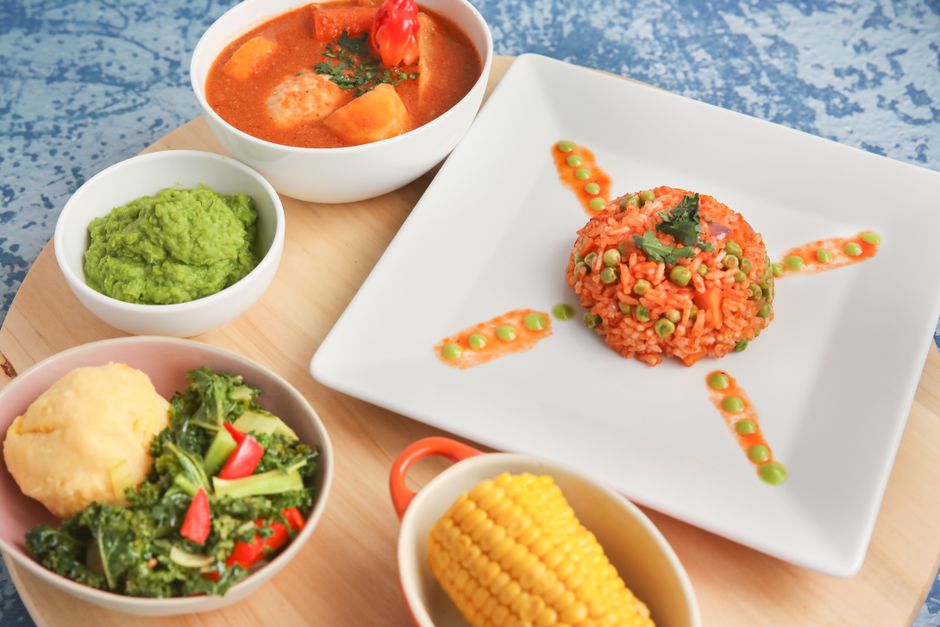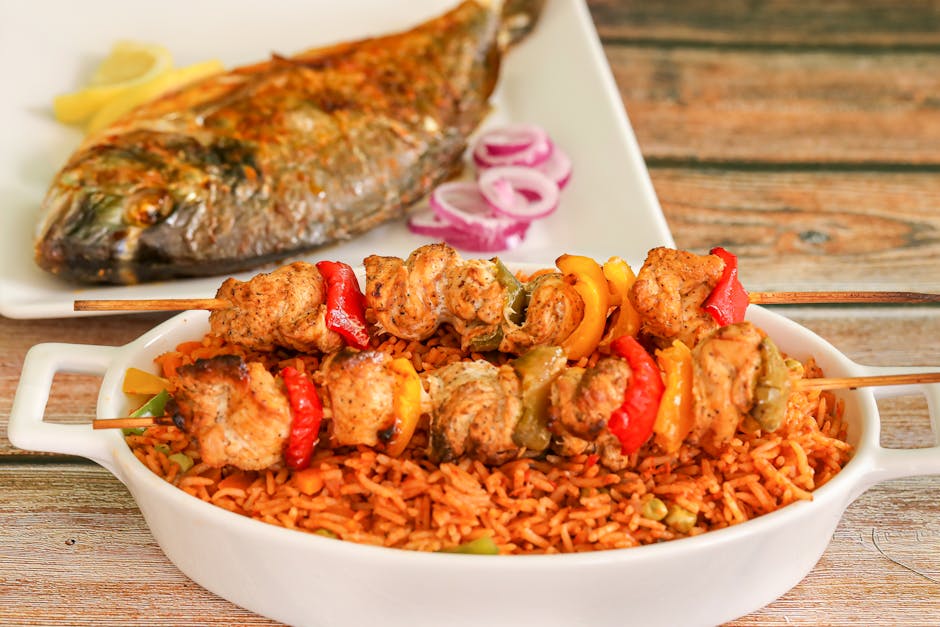
Nigerian Jollof Rice isn't just a dish; it's a cultural treasure shared across the entire West African region. This vibrant, spicy, and savory meal is often the centerpiece of Nigerian gatherings, enjoyed by friends and family alike. Whether you are new to the culinary art of Jollof or a seasoned aficionado, perfecting this beloved dish can elevate your cooking game and bring a taste of Nigeria to your table.
In this comprehensive guide, we will delve into the secrets of creating perfect Nigerian Jollof Rice. From selecting the right ingredients to mastering the cooking techniques, you'll discover everything you need to know to make your Jollof Rice stand out.
So, grab your apron and let's embark on this flavorful journey!
Understanding the Essence of Jollof Rice
Jollof Rice's origins are steeped in rich history and culture, with each country adding its unique twist to the dish. In Nigeria, Jollof Rice is more than just a meal; it's a part of the national identity, symbolizing unity and joy.
The Key Ingredients
- Rice: Long-grain parboiled rice such as Golden Sella is ideal for its ability to absorb flavors without becoming mushy.
- Tomato Base: A blend of tomatoes, red bell peppers, onions, and scotch bonnet peppers form the heart of Jollof Rice.
- Spices: Thyme, curry powder, and bay leaves are traditional, but feel free to add your favorite spices.
- Protein: Chicken or beef stock can enhance the depth of flavor significantly.
"A well-cooked Jollof Rice can turn any meal into a celebration." – Nigerian Proverb
Step-by-Step Guide to Cooking Jollof Rice
Preparation
Begin with rinsing your rice thoroughly to remove excess starch. This step is crucial for achieving that fluffy texture Jollof is known for.
- Blend the Tomato Base: Combine fresh tomatoes, red bell peppers, onions, and scotch bonnet peppers in a blender. Puree until smooth.
- Prepare the Stock: Whether using chicken or beef, simmer bones with onions, garlic, and herbs for a rich broth.
Cooking Process
- Sautéing: In a large pot, heat oil and sauté onions until translucent. Add the blended tomato mix, stir, and allow it to reduce.
- Spicing: Add your preferred spices and seasonings to the reduced tomato sauce.
- Simmering: Stir in the rinsed rice, ensuring it's well coated with the tomato mixture. Add your prepared stock gradually.
- Steaming: Cover the pot tightly with foil and a lid to trap steam, which cooks the rice evenly. Lower the heat and let it steam until the rice is cooked through.
Common Mistakes and How to Avoid Them
Overcooking the Rice
A common pitfall is cooking the rice on high heat, which can cause it to stick and burn at the bottom. Always cook Jollof Rice over low heat to ensure even cooking.
Choosing the Right Tomato Paste
Using a sour tomato paste can alter the taste of your Jollof. Opt for sweet, ripe tomatoes or balance the acidity with a pinch of sugar.
"Patience is key when cooking Jollof. Let the flavors develop slowly for the best results." – Chef Amaka
Serving Suggestions and Pairings
Delicious Additions
- Protein: Pair with fried plantains, grilled chicken, or fish for a complete meal.
- Vegetables: Add steamed veggies or a crisp salad to balance the spicy flavors.
Beverage Pairings
A refreshing glass of Zobo or Chapman complements the spiciness of Jollof Rice beautifully.
Exploring Variations of Jollof Rice
Party Jollof
Often cooked over an open fire, Party Jollof has a smoky flavor that many Nigerians swear by. The charred aroma adds an extra dimension to the dish.
Vegetarian Jollof
For a plant-based version, skip the meat stock and add assorted vegetables like carrots and green beans for color and texture.
Conclusion
Jollof Rice is not merely a meal; it's an experience, a tradition, and a celebration of flavors. With these tips and techniques, you can master the art of Nigerian Jollof Rice and share a piece of Nigeria's vibrant culture with your loved ones. Remember, the secret lies in patience and the joy of cooking.