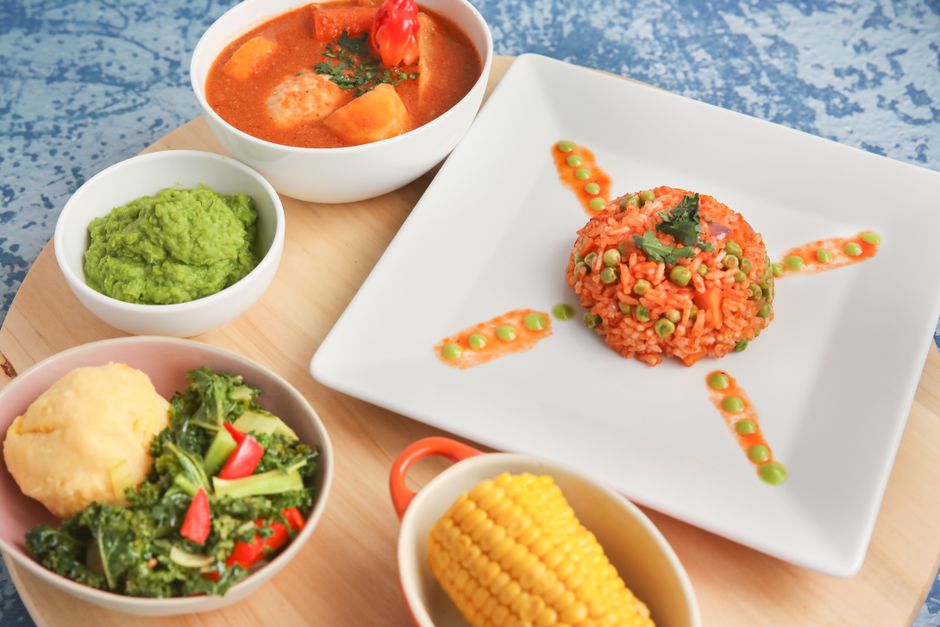
When it comes to Nigerian cuisine, few dishes are as beloved or as fiercely debated as Jollof Rice. This vibrant, spicy, and flavorful dish is a staple at celebrations and a constant source of foodie pride across West Africa. But what truly makes a perfect Nigerian Jollof Rice? Whether you're a seasoned cook or a beginner eager to master this iconic dish, our comprehensive guide is here to help you replicate that authentic, smoky flavor that brings comfort with every bite.
From choosing the right type of rice to understanding the nuances of spices, let's dive into the world of Jollof Rice and discover the secrets behind this national treasure.
The Origins of Jollof Rice
Understanding the history of Jollof Rice is essential to appreciating its significance in Nigerian culture. Tracing its roots to the Senegambia region, the dish has evolved over centuries, adapting to local ingredients and cooking techniques.
Jollof Rice Across West Africa
In Nigeria, Jollof Rice is more than just a meal; it's a cultural emblem. Each country in West Africa has its version, with Nigeria, Ghana, and Senegal leading the Jollof Rice wars—friendly culinary competitions to claim supremacy over this beloved dish.
- Nigerian Jollof: Known for its rich, spicy, and smoky flavor, typically cooked with long-grain parboiled rice.
- Ghanaian Jollof: Slightly less spicy, often uses basmati rice, and incorporates more vegetables.
- Senegalese Jollof: Known as 'Thieboudienne', it includes fish, making it quite distinct.
Significance at Nigerian Occasions
Jollof Rice is synonymous with celebrations in Nigeria, often the main attraction at weddings, birthdays, and festivals. Its vibrant color and aromatic spices make it a centerpiece on any dining table.
Perfecting Your Jollof Rice Recipe
The journey to mastering Jollof Rice begins with understanding the essential ingredients and cooking techniques. Let's break it down step-by-step.
Choosing the Right Rice
The choice of rice can make or break your Jollof. Opt for long-grain parboiled rice for the best results, as it absorbs flavors while maintaining a firm texture.
"For the perfect Jollof Rice, choose long-grain parboiled rice for its ideal texture and flavor absorption."
Essential Ingredients
The heart of Jollof Rice lies in its unique blend of spices and ingredients. Here's what you'll need:
- Tomato Paste: Provides the rich red color and depth of flavor.
- Onions and Peppers: Key for creating the base 'stew'.
- Thyme and Bay Leaves: Aromatic herbs that enhance the overall taste.
- Stock: Chicken or beef stock adds a layer of richness.
Cooking Techniques for Success
Achieving that signature smoky Jollof flavor requires patience and technique. Here are a few tips:
- Toast Your Rice: Lightly fry the parboiled rice in oil before adding to the stew for enhanced flavor.
- Simmer and Steam: Cook on low heat to allow the rice to absorb the sauce fully, stirring occasionally to prevent burning.
- Use Foil: Covering the pot with foil helps trap steam, ensuring fluffy rice.
Common Pitfalls and How to Avoid Them
Even experienced cooks can fall victim to common Jollof Rice mistakes. Here’s how to avoid them:
Avoiding Soggy Rice
Ensuring your rice is perfectly cooked is crucial. Too much liquid can lead to a soggy mess.
- Control Liquid: Measure stock carefully and adjust as needed during cooking.
- Resist Stirring: Stirring too often can break the rice grains, leading to mushiness.
Getting the Flavor Right
Flavor balance is key in Jollof Rice. Here are a few tips to get it just right:
- Spice Level: Adjust the heat with peppers to suit your preference.
- Aromatics: Do not skip the thyme and bay leaves; they are crucial for that authentic taste.
"Balance is key in Jollof Rice; too much or too little of an ingredient can tip the scales and alter the dish significantly."
Accompaniments and Variations
Jollof Rice is versatile and pairs beautifully with a range of side dishes, allowing you to tailor the meal to your liking.
Popular Side Dishes
Enhance your Jollof Rice experience with these traditional accompaniments:
- Fried Plantains: Sweet and crispy, they complement the spicy rice perfectly.
- Moi Moi: A savory bean pudding that adds protein to the meal.
- Grilled Chicken or Fish: Provides a hearty and flavorful pairing.
Creative Jollof Twists
For those feeling adventurous, consider adding a twist to the classic recipe:
- Coconut Jollof: Infuse coconut milk for a creamy, tropical flavor.
- Vegetable Jollof: Add seasonal vegetables for a colorful and nutritious variant.
Conclusion
Mastering the art of making Nigerian Jollof Rice is a rewarding experience that connects you to a rich culinary tradition. With patience, practice, and a dash of creativity, you can create a dish that not only satisfies but also celebrates the vibrant flavors of Nigeria. So, gather your ingredients, embrace the aromatic spices, and enjoy the journey of making your perfect pot of Jollof Rice.