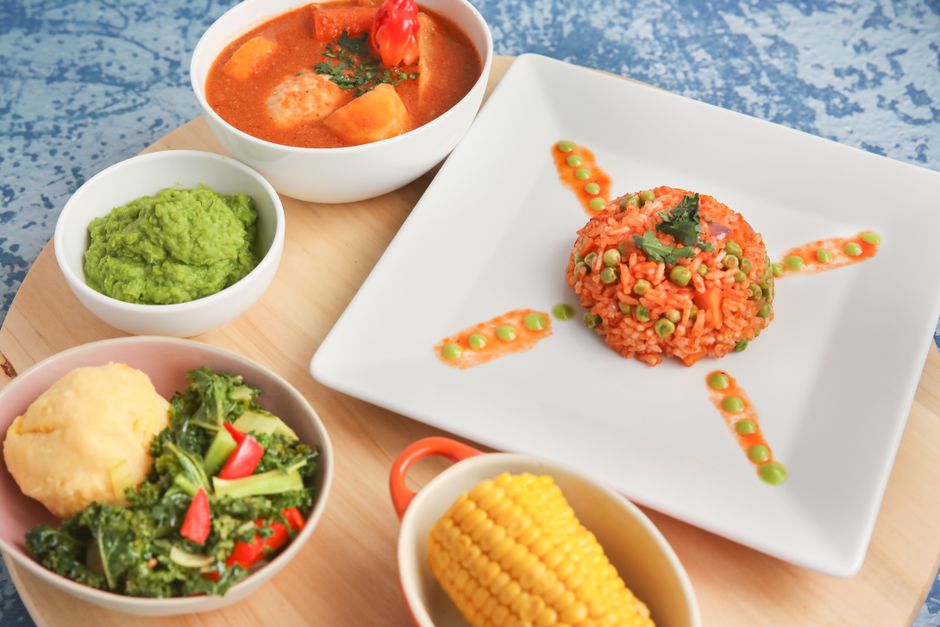
Jollof Rice is more than just a dish in Nigeria; it's a cultural symbol and a taste of home. With its rich flavors and vibrant colors, Jollof Rice is a staple at parties, family gatherings, and everyday meals. But achieving the perfect Jollof can be a bit of an art. Whether you're a seasoned cook or a kitchen novice, mastering Jollof Rice is a skill worth having. Let's dive into the secrets of crafting this beloved dish, ensuring your next pot of Jollof is the talk of the table.
Making Jollof Rice isn't just about following a recipe; it's about understanding the balance of flavors and the quality of ingredients. Each cook seems to have their own twist, but the essentials remain the same: rice, tomatoes, onions, and peppers. What makes Jollof Rice so special is the harmony of these simple ingredients, cooked to perfection.
In this guide, we'll explore the traditional methods, common pitfalls, and expert tricks to get that perfect pot of Jollof Rice every time. Whether you're cooking for a crowd or just indulging in a personal craving, these tips will ensure your Jollof Rice leaves a lasting impression.
The Essentials of Jollof Rice
The Key Ingredients
At the heart of any great Jollof Rice are its ingredients. Ensuring each component is fresh and of the highest quality can elevate your dish from good to unforgettable.
- Rice: Long-grain parboiled rice is traditionally used, as it absorbs flavors well and has the perfect texture.
- Tomatoes: Fresh, ripe tomatoes, or a combination of fresh and canned, give the dish its signature color and base flavor.
- Peppers: A mix of bell peppers and Scotch bonnets provides both sweetness and heat.
- Onions: Red onions are preferred for their sweeter, milder flavor.
- Spices: Salt, thyme, curry powder, and bay leaves form the aromatic backbone of the dish.
Additional Flavor Boosters
While the core ingredients are non-negotiable, certain extras can add depth and richness to your Jollof Rice.
- Stock: Chicken or beef stock adds a robust flavor profile.
- Smoked Fish or Meat: Adds a smoky, umami element that enhances the overall taste.
- Vegetables: Carrots, green beans, and peas can be added for color and nutrients.
Perfecting the Cooking Technique
Step-by-Step Cooking
The secret to a successful Jollof Rice is in the technique. Follow these steps for a foolproof method:
- Start by preparing a rich tomato sauce, blending fresh tomatoes, peppers, and onions. Cook the blend till it reduces and becomes thick.
- Fry the tomato sauce in oil until it separates and deepens in color. This step is crucial for developing the dish's flavor.
- Add stock and bring to a boil before introducing the parboiled rice. Stir well to combine.
- Lower the heat, cover with foil or a tight-fitting lid, and let it cook slowly, allowing the rice to absorb the flavors and steam to the perfect tenderness.
- Fluff gently with a fork, incorporating your chosen flavor boosters or vegetables as desired.
Common Mistakes to Avoid
"Jollof Rice is a balance of patience and precision," says Chef Adebayo, a renowned culinary expert.
- Too much water: Adding excessive water can make the rice soggy. It's better to start with less and add more if needed.
- Not frying the tomato paste thoroughly: This can result in a raw tomato taste rather than the deep, rich flavor of a well-cooked Jollof.
- Cooking on high heat: This can burn the rice or unevenly cook it. Low and slow is the mantra here.
Serving Suggestions and Pairings
Traditional Accompaniments
While Jollof Rice is a standalone star, pairing it with certain sides can elevate your meal.
- Fried Plantains: Known as "dodo," these sweet and crunchy slices provide a delicious contrast.
- Moin Moin: A savory bean pudding that complements the texture of Jollof Rice.
- Coleslaw: A fresh, crunchy contrast to the rich rice dish.
Beverage Pairings
Wash down your meal with these refreshing drink options:
- Zobo Drink: A hibiscus-based drink that complements the spicy notes of Jollof.
- Chapman: A classic Nigerian cocktail that's both sweet and tangy.
Exploring Variations of Jollof Rice
Regional Twists
Jollof Rice isn't confined to a single recipe; regional influences offer diverse interpretations across Nigeria.
- Party Jollof: Known for its smoky flavor, achieved by cooking it over open flames.
- Vegetarian Jollof: Omits meat, focusing on a medley of vegetables and spices.
International Influence
Jollof Rice has crossed borders, inspiring variations in other West African countries.
- Ghanaian Jollof: Slightly spicier and often uses basmati rice for a lighter texture.
- Senegalese Jollof: Known as "Thieboudienne," it incorporates fish and a variety of vegetables.
Conclusion
Mastering Nigerian Jollof Rice is a rewarding journey into the heart of one of Africa's most beloved dishes. By understanding the key ingredients, perfecting the technique, and embracing regional variations, you can create a pot of Jollof that not only satisfies hunger but also brings people together. Remember, every pot of Jollof tells a story, a story of family, tradition, and culinary passion. So the next time you step into your kitchen, embrace the role of storyteller, and let your Jollof Rice shine.