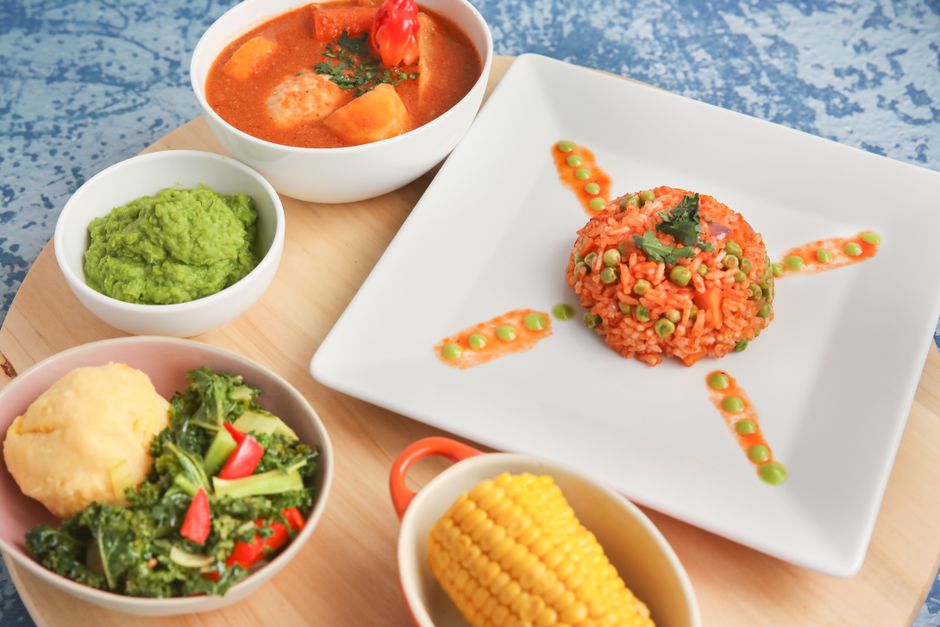
Nigerian Jollof Rice is more than just a dish; it's a cultural icon that embodies the rich and diverse culinary heritage of Nigeria. Whether you're a seasoned cook or just starting, mastering this dish is a rite of passage for anyone passionate about Nigerian cuisine. With its tantalizing aroma and vibrant flavors, Jollof Rice has become a beloved meal not just in Nigeria but across West Africa. In this blog post, we'll explore the essential ingredients, cooking techniques, and expert tips that will help you create the perfect pot of Jollof Rice every time.
Jollof Rice's appeal lies in its simplicity and versatility—it's a one-pot wonder that's perfect for any occasion. The secret to making great Jollof Rice is getting the balance of flavors just right, ensuring that the rice is cooked to perfection, and infusing it with the rich blend of spices that give it its distinct taste. But fear not, with the right guidance, you'll be serving up plates of this delectable dish that will have everyone asking for seconds.
Before we dive into the cooking process, let's take a look at its history and how it has evolved over time. Understanding the roots of Jollof Rice adds a layer of appreciation for its significance and why it's held in such high regard.
The History of Jollof Rice
Origins and Spread
Jollof Rice traces its origins back to the Senegambian region, which was part of the ancient Jolof Empire in the 14th century. Over time, the dish made its way across West Africa, evolving as each region added its own twist. Today, it is predominantly associated with Nigeria and Ghana, each claiming to have the superior recipe—a rivalry fondly referred to as the 'Jollof Wars.'
The Nigerian Twist
Nigerian Jollof Rice is characterized by its rich red color and smoky flavor. This is primarily due to the use of tomato paste, fresh tomatoes, and a selection of spices. Unlike the Ghanaian version, which uses more oil and fewer spices, Nigerian Jollof tends to be spicier and more aromatic.
Essential Ingredients
Rice Selection
The choice of rice is crucial for Jollof Rice. Long-grain parboiled rice is the preferred choice as it holds its shape and absorbs flavors well. Avoid using short-grain rice as it can become too sticky.
Key Spices and Seasonings
- Thyme: Adds a subtle earthiness to the dish.
- Curry powder: Provides a warm, complex flavor.
- Bay leaves: Infuse the rice with a fragrant aroma.
- Scotch bonnet peppers: Deliver heat and a distinct fruity flavor.
- Maggi cubes: Enhance the umami flavor.
Tomatoes and Peppers
Fresh tomatoes and red bell peppers form the base of the sauce. Some cooks blend them to a fine puree while others prefer a slightly coarse texture to add some bite. Tomato paste is also used to intensify the color and flavor.
Step-by-Step Cooking Guide
Preparing the Base
Start by blending the fresh tomatoes, bell peppers, and Scotch bonnet peppers until smooth. Fry the mixture in a good amount of oil until it loses its raw taste and transforms into a thick, rich base.
"The secret to a great Jollof Rice is patience. Allow the sauce to cook until the oil floats to the top—this ensures maximum flavor."
Cooking the Rice
Add the washed rice to the tomato base, making sure it's well-coated. Then, add water or broth, season with your spices, and bring it to a boil. Once it starts boiling, reduce the heat to low and cover the pot with foil or a tight-fitting lid to trap the steam.
"Cook your Jollof Rice on low heat to avoid burning and ensure even cooking. The steam does the magic!"
Finishing Touches
After about 20 minutes, check the rice and gently stir from the bottom of the pot to ensure even cooking. Add sliced onions and any other vegetables you like, such as peas or carrots, for additional texture and flavor.
Common Mistakes to Avoid
Using Too Much Water
One common mistake is using too much water, which can result in soggy rice. The rice should be cooked through but still firm, not mushy.
Overcooking the Rice
Overcooked rice loses its texture. Be attentive and check the rice regularly as it cooks to avoid this pitfall.
Skipping the Seasoning
Don't skimp on the spices! The right balance of seasoning is what gives Jollof Rice its unique taste.
Serving Suggestions
Accompaniments
Jollof Rice is often served with fried plantains, grilled chicken, or fish. A side salad of fresh vegetables adds a refreshing contrast to the rich flavors of the rice.
Beverage Pairings
Complement your dish with a chilled drink such as Zobo (hibiscus tea) or Chapman, a popular Nigerian cocktail. These beverages enhance the meal's flavors and provide a refreshing balance.
Conclusion
Nigerian Jollof Rice is a testament to the vibrant and dynamic food culture of Nigeria. By following this guide, you can craft a dish that not only satisfies the taste buds but also honors a cherished tradition. Remember, the key to great Jollof Rice lies in patience, the right ingredients, and a dash of love. So, don your apron and let your kitchen be filled with the irresistible aroma of this beloved dish.
Whether you are cooking for a family gathering or simply indulging in the joy of creating something delicious, mastering Jollof Rice is an achievement worth celebrating. Enjoy cooking, and may your Jollof always be delicious!