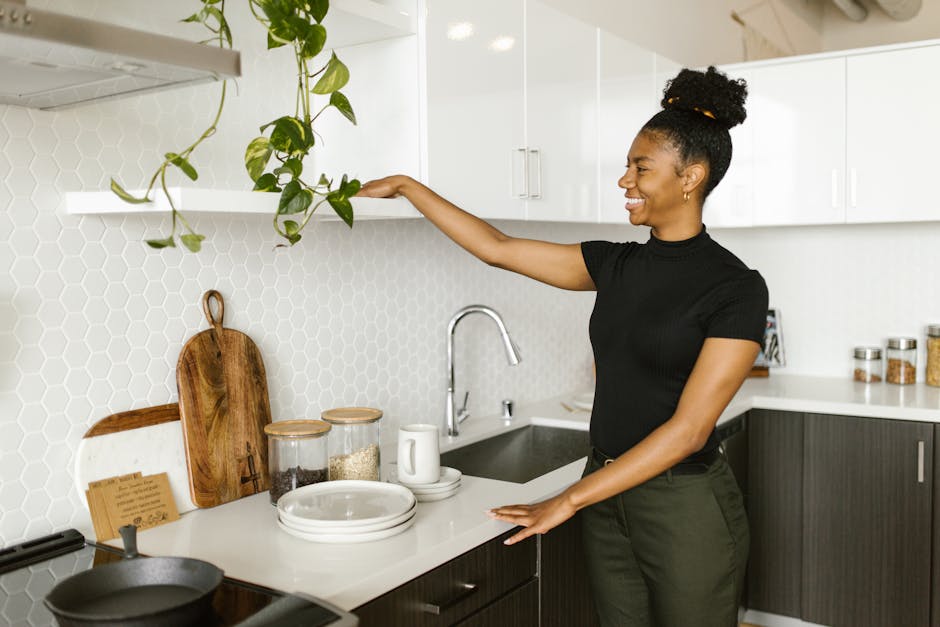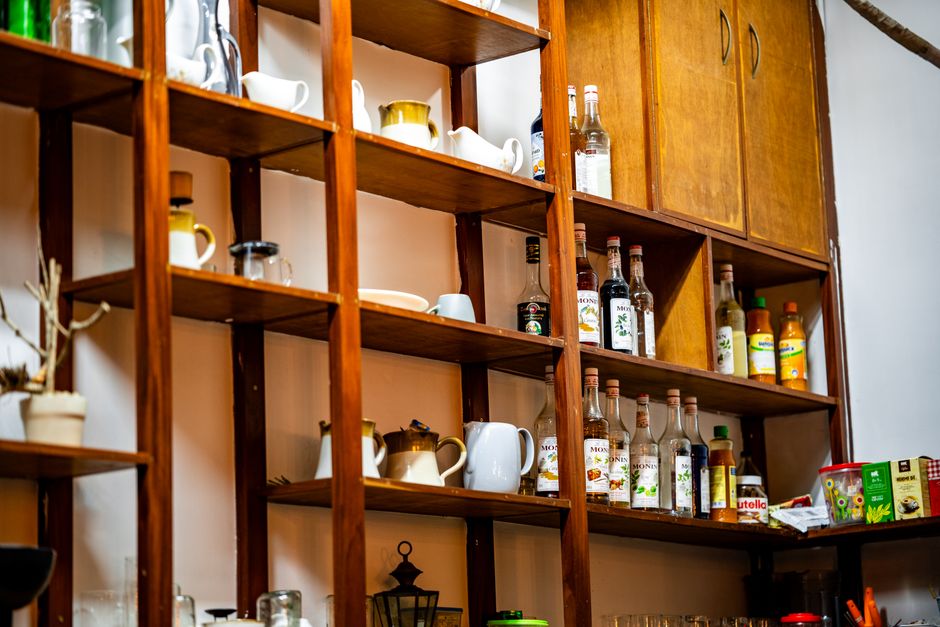
In Nigeria, the kitchen is often the heart of the home. It's where delicious meals are crafted, family gatherings happen, and traditions are passed down through generations. However, keeping a kitchen organized can be a daunting task, especially when space is limited or you're juggling a busy schedule. That's why effective kitchen organization is crucial in creating a functional and welcoming space. In this guide, we'll delve into practical tips and strategies to help you transform your kitchen into an organized haven that makes cooking a joy rather than a chore.
Whether you're dealing with a small Lagos apartment kitchen or a more spacious setup in Abuja, these organization ideas will be your go-to solutions. From utilizing vertical space to smart storage hacks, let's explore how you can make your kitchen work for you.
Understanding Your Kitchen Needs
Before diving into organization tips, it's essential to understand your specific kitchen needs. Every kitchen is unique, and what works for one might not work for another. Consider the following:
- Assess Your Cooking Style: Are you a daily cook, or do you prefer occasional meal prep? This will determine how much access you need to certain items.
- Identify Common Clutter Areas: Look at what's causing clutter. Is it utensils, groceries, or cooking equipment?
- Define Your Kitchen Workflow: A good workflow minimizes unnecessary steps. Plan your kitchen layout to support how you cook.
"A well-organized kitchen not only saves time but also enhances your cooking experience.” — Kitchen Organization Expert, Mrs. Adeola
Maximizing Space in a Nigerian Kitchen
Utilizing Vertical Space
Vertical space is often underutilized in many kitchens. Consider installing wall-mounted shelves or hooks to free up counter space. This is especially useful for storing pots, pans, and frequently used utensils.
Magnetic strips are also a great way to store knives and other metal tools, keeping them within reach and off the counter.
Clever Storage Solutions
Invest in multi-functional storage containers that can stack neatly in your pantry. Clear containers make it easy to see contents at a glance, reducing the time spent searching for ingredients.
Slide-out drawers or baskets in cabinets can help you access items at the back without having to empty the entire shelf.
Organizing Kitchen Zones
Creating Specific Zones for Efficiency
Divide your kitchen into zones based on specific tasks like prepping, cooking, and cleaning. This can minimize movement and make cooking more efficient.
Store items close to where they're used. For example, keep pots near the stove, and cutting boards near your prep area.
Labeling for Ease
Labeling cabinets and jars can be a game-changer. It helps everyone in the household know where things belong and makes it easier to find what you need.
Use chalkboard labels for a stylish and practical touch that can be changed as needed.
Maintaining Your Organized Kitchen
Regular Decluttering Sessions
Schedule regular decluttering sessions to assess what you don't use anymore. Donate or dispose of items that you no longer need.
This practice not only keeps your kitchen tidy but also makes room for new things.
Adopting Sustainable Practices
Consider sustainability by reducing waste. Use reusable containers and bags, and try to buy in bulk to minimize packaging.
Composting kitchen waste is also a great way to contribute to environmental sustainability.
Conclusion
Organizing your kitchen doesn't have to be an overwhelming task. By understanding your needs, maximizing space, and creating efficient zones, you can transform your Nigerian kitchen into a well-oiled cooking machine. Remember that organization is an ongoing process. Regular maintenance and being mindful of your cooking habits can keep your kitchen functional and inviting.
Implement these tips, and you'll find that a little organization can go a long way in enhancing your cooking experience. So, the next time you step into your kitchen, you'll be greeted by a space that inspires creativity and joy in every meal you prepare.