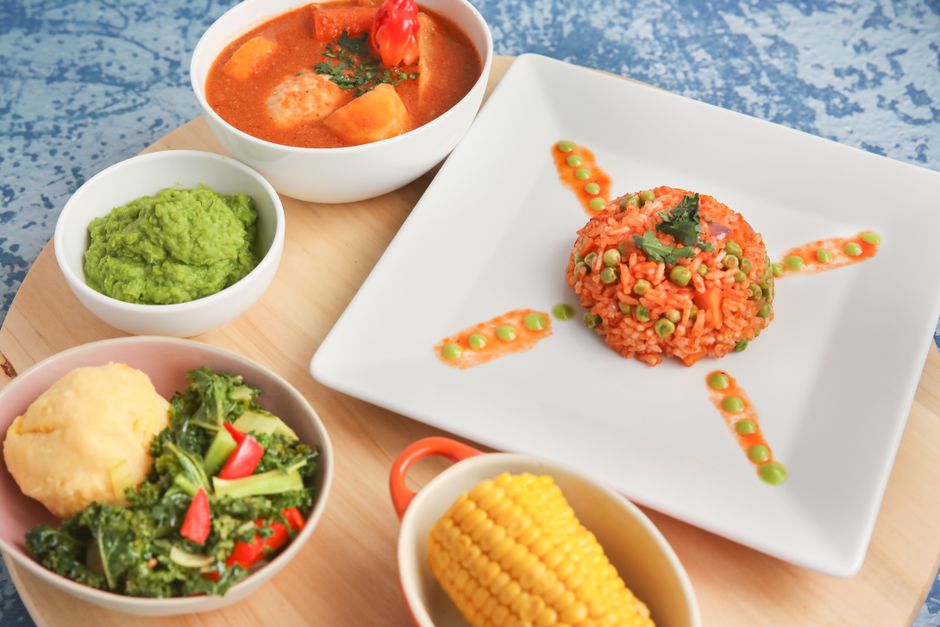
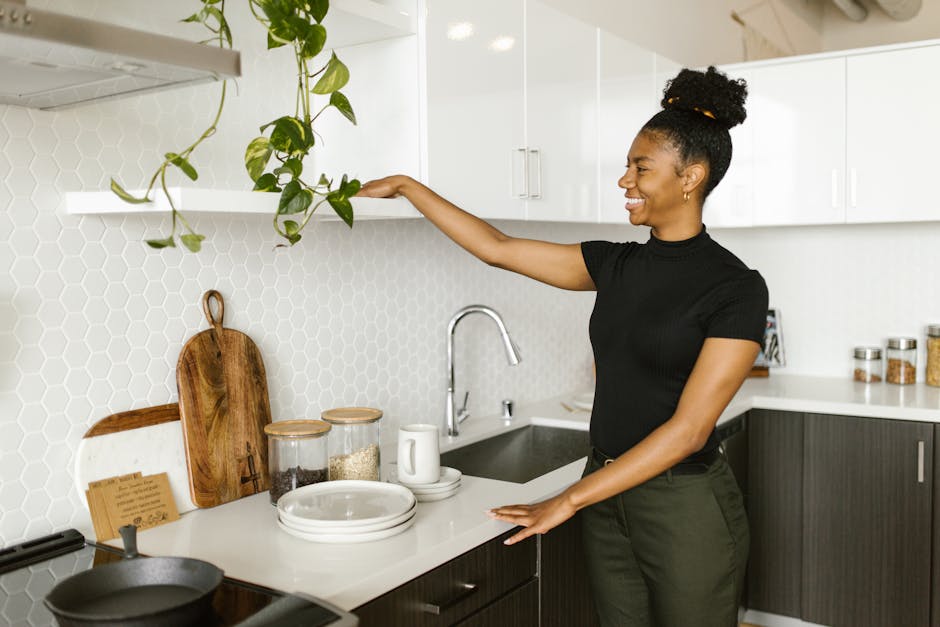
In a bustling Nigerian kitchen, where the aroma of jollof rice and the sizzle of fried plantains fill the air, organization is key. Whether you're preparing a quick breakfast or a festive dinner, having an organized kitchen can make all the difference. In this article, we delve into effective strategies for organizing your Nigerian kitchen, transforming it into a well-oiled machine that fosters creativity and efficiency.
Let's face it, cooking in an unorganized kitchen can be stressful. You might find yourself searching for that elusive spice or balancing pots precariously due to lack of space. A well-organized kitchen not only saves time but also enhances your cooking experience, allowing for a seamless flow from preparation to plating.
Join us as we explore the art of kitchen organization, tailored specifically to the unique needs of a Nigerian household. From maximizing cabinet space to categorizing ingredients, these tips will help you create a kitchen that’s both functional and inviting.
Understanding Your Kitchen Space
Assessing Your Current Layout
The first step to organizing your kitchen is understanding the space you have. Take a moment to assess your kitchen layout. Consider the size of your countertops, the arrangement of your cabinets, and the available pantry space. This assessment will serve as the foundation for your organization efforts.
Start by making a list of areas that need improvement. Are your spices strewn across multiple cabinets? Do your pots and pans seem to have a life of their own, clanging whenever you open a drawer? Identifying these issues will help you tailor your organization strategy.
Utilizing Vertical Space
One of the most overlooked aspects of kitchen organization is vertical space. Utilize shelves, hooks, and racks to maximize storage. Hanging pots and pans not only saves cabinet space but also adds an aesthetic touch to your kitchen.
Consider installing a pegboard on an empty wall to store frequently used utensils or hang a magnetic strip for knives. These solutions free up valuable countertop real estate, making meal prep more efficient.
Organizing Your Pantry
Sorting and Categorizing Ingredients
A well-organized pantry is the heart of a functional kitchen. Start by sorting your ingredients into categories such as grains, spices, and canned goods. Use clear, labeled containers to store items, allowing you to see what you have at a glance.
This method prevents overbuying and ensures that older items are used first, reducing waste. Consider arranging items by frequency of use, keeping everyday staples within arm's reach.
Incorporating Pantry Storage Solutions
Invest in pantry storage solutions like stackable bins and lazy Susans to maximize space. Use baskets for bulkier items like onions and potatoes, and consider adjustable shelves to accommodate items of varying heights.
By creating a designated spot for each item, you’ll find that pantry organization becomes a breeze, making cooking more enjoyable and efficient.
Streamlining Your Cooking Process
Creating Dedicated Zones
Designate specific areas in your kitchen for different tasks such as chopping, mixing, and cooking. This zoning approach reduces cross-task interference, allowing for a smoother cooking process.
Ensure that each zone has the necessary tools and ingredients accessible. For instance, keep knives and cutting boards close to the chopping area, and store cooking oils and spices near the stove.
Maintaining Cleanliness and Order
Keep your kitchen clean and orderly by adopting the practice of cleaning as you go. Wipe down surfaces, wash utensils, and return ingredients to their designated spots immediately after use.
This habit not only helps in maintaining a tidy kitchen but also prevents the accumulation of dishes and clutter, making the post-cooking cleanup less daunting.
Organizing Kitchen Tools and Gadgets
Efficiently Storing Utensils
Organize your kitchen tools by function and frequency of use. Keep everyday utensils like spatulas and ladles in a convenient location, perhaps in a drawer nearest to the stove.
Consider drawer dividers to keep utensils separated and easy to find. For larger tools or appliances, allocate a specific cabinet or shelf, ensuring they’re easily accessible when needed.
Decluttering and Simplifying
Regularly declutter your kitchen to keep it organized. Evaluate your gadgets and tools, discarding or donating those you no longer use. A simpler kitchen with only the essentials not only looks tidier but also enhances functionality.
Focus on quality over quantity, and invest in multi-use tools that can serve multiple purposes, reducing the need for excess items.
Conclusion
Transforming your Nigerian kitchen into an organized, efficient space is not just about aesthetics; it's about creating an environment that supports and enhances your cooking endeavors. By understanding your kitchen layout, organizing your pantry, streamlining your cooking process, and managing your tools effectively, you can enjoy a more pleasant and productive kitchen experience.
Remember, the goal of kitchen organization is to make cooking enjoyable and stress-free. With a bit of planning and effort, you can create a kitchen that is both functional and welcoming, making every meal preparation a delightful experience.