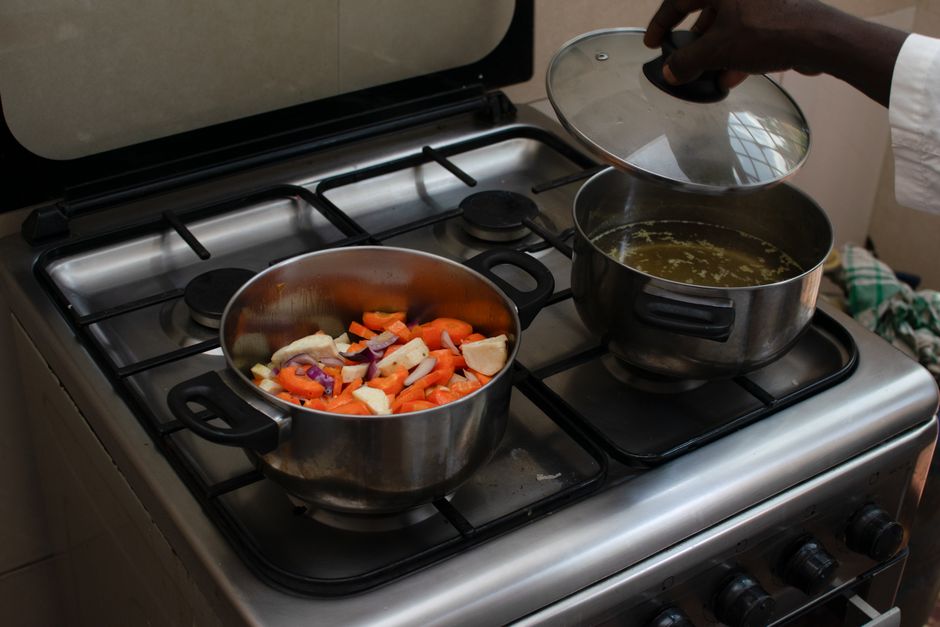
Nigerian cuisine is a vibrant tapestry of flavors, colors, and textures. At the heart of this culinary wonder are Nigerian soups, which offer a rich array of tastes and aromas that are truly unparalleled. For many Nigerians, soups are more than just a dish—they are a celebration of culture and heritage served in a bowl. Whether you're a seasoned cook or someone just starting to explore Nigerian cuisine, mastering these soups can open up a world of delectable possibilities.
From the spicy and aromatic to the mild and savory, each Nigerian soup has its own unique story to tell. In this comprehensive guide, we delve into the world of Nigerian soups, sharing traditional recipes, cooking techniques, and tips that will help you recreate these beloved dishes right in your own kitchen. Let's embark on a flavorful journey that promises to tantalize your taste buds and bring a piece of Nigeria to your table.
The Essence of Nigerian Soups
Understanding the Ingredients
One of the defining characteristics of Nigerian soups is the variety of ingredients used. Common staples include leafy vegetables like ugu, bitterleaf, and spinach, as well as proteins such as goat meat, chicken, fish, and assorted seafood. Peppers, onions, and tomatoes also play a crucial role, adding depth and richness to the flavors.
"The key to a delicious Nigerian soup lies in the freshness of its ingredients and the balance of spices."
Popular Nigerian Soups
- Egusi Soup: Made from ground melon seeds, this soup is thickened with leafy vegetables and can include meats or fish.
- Ogbono Soup: Known for its unique slimy texture, this soup is made with wild mango seeds and paired with meats and vegetables.
- Ewedu Soup: A quintessential Yoruba dish, ewedu is often served with amala and features slimy jute leaves.
Cooking Techniques
Building Flavors
The art of making Nigerian soups often begins with building a robust base. This typically involves frying onions, peppers, and tomatoes in palm oil or vegetable oil to create a rich and savory foundation.
Thickening and Texturing
Many Nigerian soups rely on natural thickeners like egusi, ogbono, or okra. These ingredients not only add body to the soup but also create a unique texture that distinguishes each type of soup.
Tips for Perfecting Nigerian Soups
Choosing the Right Ingredients
- Always use fresh vegetables and herbs to enhance the flavor of your soups.
- Select the right cut of meat for your soup to ensure tenderness and flavor absorption.
Balancing Flavor
It's important to achieve a balance between the heat from peppers, the umami from stock cubes, and the richness of the meats and vegetables. Taste as you cook and adjust seasoning as needed.
Pairing Nigerian Soups with Sides
The Perfect Complements
Nigerian soups are often enjoyed with a variety of starchy sides that help to complement and soak up their rich flavors. Popular choices include pounded yam, fufu, amala, and rice.
"The experience of Nigerian soups is incomplete without the right pairing of sides, which adds another layer of satisfaction to your meal."
Conclusion
Mastering Nigerian soups is a rewarding culinary adventure that connects you with Nigeria's rich gastronomic traditions. From selecting the freshest ingredients to understanding the techniques and flavors that define these dishes, you will find joy in every step of the cooking process. As you experiment and perfect each recipe, you'll discover that Nigerian soups are more than just food—they are an embodiment of community, culture, and cherished memories shared around the table.