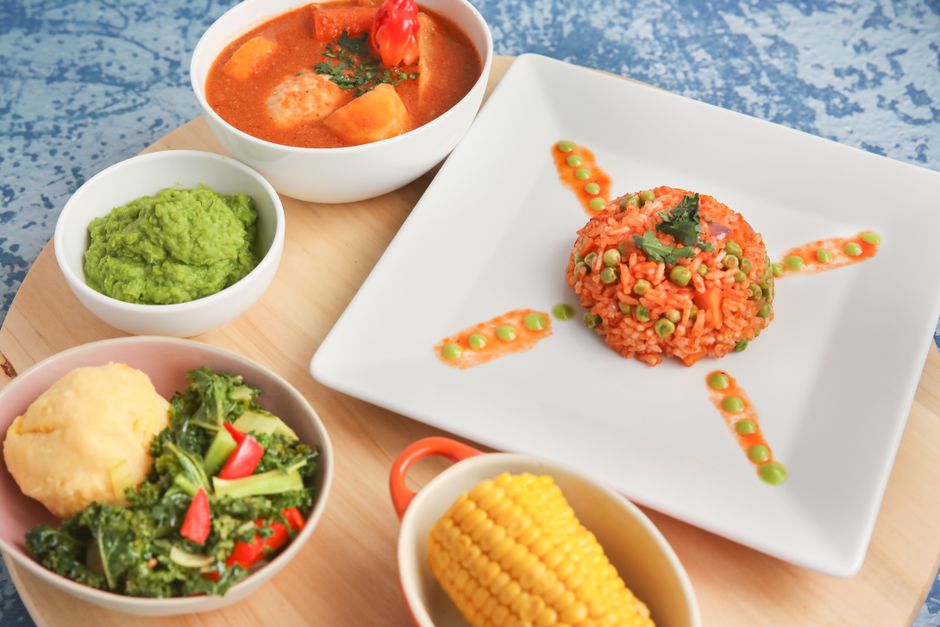
When it comes to Nigerian cuisine, few dishes are as beloved and fiercely debated as Jollof Rice. This iconic dish, with its rich flavors and vibrant colors, is a staple at celebrations and family gatherings across the country. But what makes a perfect Jollof Rice? Is it the rice-to-tomato ratio, the choice of spices, or perhaps the cooking technique? Whether you're a seasoned cook or new to Nigerian recipes, mastering the art of Jollof Rice is a culinary journey worth taking.
In this comprehensive guide, we'll explore everything you need to know about cooking authentic Nigerian Jollof Rice. From the essential ingredients and tools to detailed step-by-step instructions, we've got you covered. So grab your apron, and let's dive into the delicious world of Jollof Rice!
Understanding Jollof Rice: A Cultural Staple
Jollof Rice is more than just a dish; it's a cultural phenomenon. Its origins can be traced back to the Senegambian region, but it has evolved into various forms across West Africa, with each country adding its unique twist. In Nigeria, Jollof Rice is often accompanied by fried plantains, grilled chicken, or a medley of vegetables, making it a complete meal that satisfies both the palate and the soul.
The Role of Jollof Rice in Nigerian Culture
In Nigeria, Jollof Rice is synonymous with celebration. No party or gathering is complete without it. It's a dish that brings people together, bridging gaps between generations and regions. The preparation of Jollof Rice is often a collaborative effort, with family members and friends contributing their skills and knowledge to create the perfect pot.
"Jollof Rice is more than just food; it's a symbol of unity and celebration in Nigerian culture."
Regional Variations of Jollof Rice
While the core ingredients of Jollof Rice remain consistent, regional variations offer a taste of the diverse culinary landscape of Nigeria. Some regions prefer a spicier version, while others might add unique ingredients like coconut milk or smoked fish. Exploring these variations can open up a world of flavors and inspirations for your Jollof Rice experiments.
Essential Ingredients for Nigerian Jollof Rice
To make authentic Nigerian Jollof Rice, you'll need a few key ingredients. While the list may seem simple, the quality and freshness of each component play a crucial role in the final taste.
The Base Ingredients
- Rice: Long-grain parboiled rice is the preferred choice, as it absorbs flavors well and maintains its structure during cooking.
- Tomatoes: Fresh tomatoes, alongside canned tomato paste, provide the base for the rich sauce.
- Onions: Both red and white onions are commonly used to add sweetness and depth.
- Bell Peppers: Red bell peppers are crucial for color and sweetness.
Spices and Seasonings
- Stock Cubes: These enhance the umami flavor of the dish.
- Curry Powder and Thyme: Essential spices for aroma and flavor.
- Chili Peppers: Scotch bonnet peppers are often used for heat.
- Bay Leaves: For an added layer of flavor.
Step-by-Step Guide to Cooking Jollof Rice
Now that we've covered the essentials, it's time to get cooking! Follow these steps to achieve that perfect pot of Nigerian Jollof Rice.
Preparing the Ingredients
- Wash and Soak the Rice: Rinse the rice thoroughly and soak it in warm water for about 10 minutes to remove excess starch.
- Blend the Tomatoes and Peppers: Blend fresh tomatoes, bell peppers, and onions into a smooth paste.
Cooking the Rice
- Heat the Oil: Add vegetable oil to a large pot and heat over medium heat.
- Sauté the Onions: Add chopped onions and sauté until translucent.
- Add the Tomato Mixture: Pour in the blended tomato and pepper mix, and cook until the water reduces and the oil separates.
- Season the Sauce: Add stock cubes, curry powder, thyme, and bay leaves.
- Incorporate the Rice: Add the soaked and drained rice to the pot, stirring to coat each grain with the sauce.
- Cook Gently: Cover with foil and a tight-fitting lid to trap steam, and cook on low heat for 30-40 minutes, stirring occasionally.
"Patience is key when cooking Jollof Rice. Low and slow is the secret to perfectly cooked grains."
Serving and Pairing Jollof Rice
Once your Jollof Rice is ready, it's time to serve and enjoy it with complementary dishes.
Traditional Accompaniments
- Fried Plantains: Sweet and crispy, fried plantains offer a perfect balance to the spicy rice.
- Grilled Chicken: Marinated and char-grilled chicken pairs excellently with Jollof Rice.
- Coleslaw: A refreshing side that adds a crunchy texture.
Beverage Pairings
- Zobo Drink: This hibiscus-based beverage is a popular choice to complement the meal.
- Palm Wine: For a traditional touch, palm wine is an authentic pairing.
Troubleshooting Common Jollof Rice Issues
Every cook has faced challenges with Jollof Rice at some point. Here are some common issues and how to solve them.
Sticky or Mushy Rice
- Solution: Ensure the rice is well-rinsed and not over-soaked. Use the correct rice-to-water ratio and avoid stirring too frequently.
Burnt Rice
- Solution: Cook on low heat and use a thick-bottomed pot to distribute heat evenly. Stir occasionally to prevent the bottom from burning.
Final Thoughts
Mastering Nigerian Jollof Rice is not just about following a recipe; it's about embracing the spirit of creativity and passion that comes with cooking. Each pot of Jollof Rice tells a story, and with each attempt, you gain more insight and experience. Whether you're cooking for a family gathering or a quiet dinner at home, Jollof Rice is sure to bring joy to the table.
Remember, practice makes perfect. So keep experimenting, add your unique touch, and savor every moment of your Jollof Rice journey.