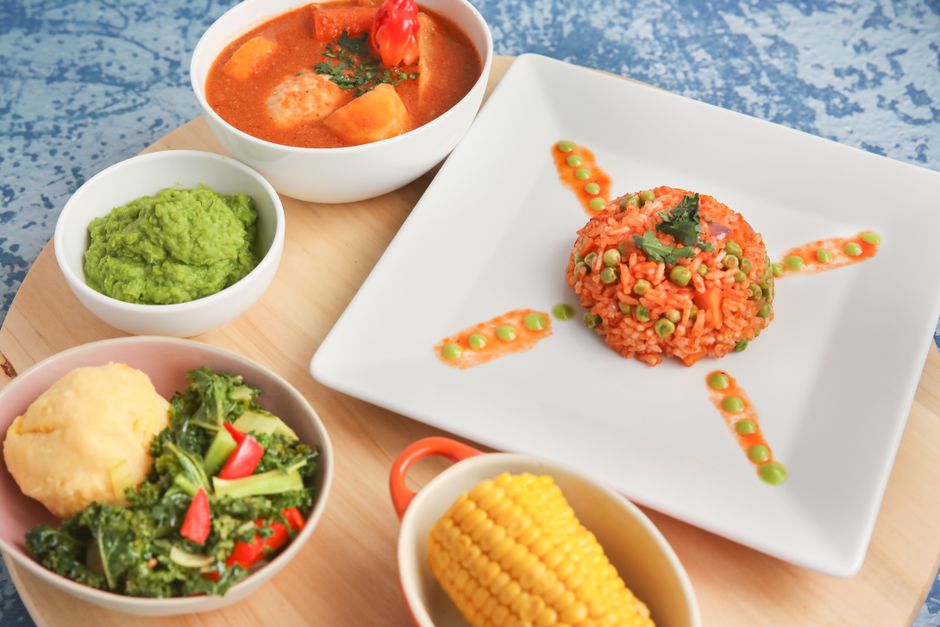
Nigerian Jollof Rice isn't just a meal; it's a beloved tradition, a culinary celebration, and a staple dish with roots deep in West African culture. Whether you're new to Nigerian cuisine or a seasoned home cook looking to perfect your Jollof Rice, this guide will provide you with everything you need to create this vibrant dish. In this article, we'll explore authentic recipes, share essential cooking tips, and offer variations to keep your Jollof exciting and flavorful.
Why is Jollof Rice so popular, you ask? Its rich, smoky flavors, the comforting aroma of spicy tomato sauce, and the beautiful blend of spices make it a dish that brings people together. Let's dive into the world of Jollof Rice and uncover the secrets to making the best version of this iconic dish.
The History and Significance of Jollof Rice
Jollof Rice traces its origins to the Senegambian region, historically known as the Wolof Empire. The dish has since spread across West Africa, with each country adding its unique twist. In Nigeria, Jollof Rice is not just a meal; it's a centerpiece for celebrations, gatherings, and even friendly culinary rivalries.
A Staple with Cultural Roots
In Nigeria, Jollof Rice is more than food—it's a symbol of unity and a staple at festive occasions. From weddings to birthdays, Jollof Rice unites communities and families around a shared love for its hearty flavors.
"Jollof Rice isn't just a recipe; it's a cultural experience that ties us to our roots."
The Great Jollof Debate
The Jollof Rice debate is a friendly yet passionate rivalry across West Africa, especially between Nigeria and Ghana, each claiming their version is the best. It's a testament to the dish's deep cultural impact and its ability to spark joy and competition among friends.
Essential Ingredients for Nigerian Jollof Rice
To master Nigerian Jollof Rice, start with fresh, quality ingredients that bring out the dish's authentic flavors. Here's what you'll need:
Base Ingredients
- Long-grain parboiled rice
- Fresh tomatoes and tomato paste
- Onions
- Red bell peppers
- Scotch bonnet peppers
Flavor Enhancers
- Vegetable oil or palm oil
- Chicken or beef stock
- Garlic and ginger
- Bouillon cubes or seasoning powder
- Bay leaves and thyme
Using quality ingredients ensures that your Jollof Rice is vibrant and flavorful, capturing the essence of Nigerian cuisine.
Step-by-Step Guide to Cooking Jollof Rice
Cooking Jollof Rice requires patience, but the delicious results are well worth the effort. Follow these steps to create a dish that is sure to impress your guests:
Preparing the Tomato Base
Begin by blending fresh tomatoes, red bell peppers, and scotch bonnet peppers into a smooth puree. This forms the base of your Jollof Rice, providing it with its distinctive rich color and flavor.
Sautéing the Onions
In a large pot, heat oil and sauté chopped onions until they turn translucent. Add minced garlic and ginger for an additional layer of flavor.
Cooking the Rice
Add the tomato puree to the onions and cook until the mixture thickens and the oil begins to separate. Stir in the rice, ensuring each grain is coated with the sauce. Add chicken or beef stock, bay leaves, and thyme, then cover and let simmer until the rice is cooked.
"The secret to perfect Jollof Rice is patience. Let the flavors develop as the rice absorbs the delicious sauce."
Creating the Smoky Flavor
For the signature smoky flavor, allow the rice at the bottom to char slightly. This technique, known as 'party Jollof,' adds an irresistible depth to the dish.
Delicious Variations and Add-ons
Jollof Rice is versatile and can be tailored to your taste with a variety of add-ons. Here are some popular options:
Protein Options
- Grilled chicken or beef
- Prawns or fish for a seafood twist
- Smoked turkey or sausages
Vegetarian Jollof
For a vegetarian version, substitute meat stock with vegetable broth and add vegetables like carrots, peas, or green beans for a nutritious and colorful meal.
Spice it Up
Adjust the heat level to your liking by adding more or fewer scotch bonnet peppers. For those who prefer a milder dish, paprika can provide a smoky flavor without the heat.
Common Mistakes to Avoid
Cooking Jollof Rice can be tricky, but avoiding these common pitfalls will ensure success:
Using Too Much Water
Over-watering can lead to mushy rice. Start with less liquid and add more gradually if needed.
Not Letting the Rice Burn
While it may sound counterintuitive, allowing a slight crust to form at the bottom adds the authentic smoky flavor that characterizes Jollof Rice.
Rushing the Cooking Process
Take your time and allow each step to develop its full flavor. Rushing can result in undercooked or bland rice.
Final Thoughts
Mastering Nigerian Jollof Rice is a delightful journey that combines history, culture, and culinary skill. By using fresh ingredients, following the right techniques, and adding your personal touch, you can create a Jollof Rice dish that will be the highlight of any gathering. Remember, the joy of Jollof lies in sharing it with others and celebrating the rich tapestry of Nigerian cuisine.