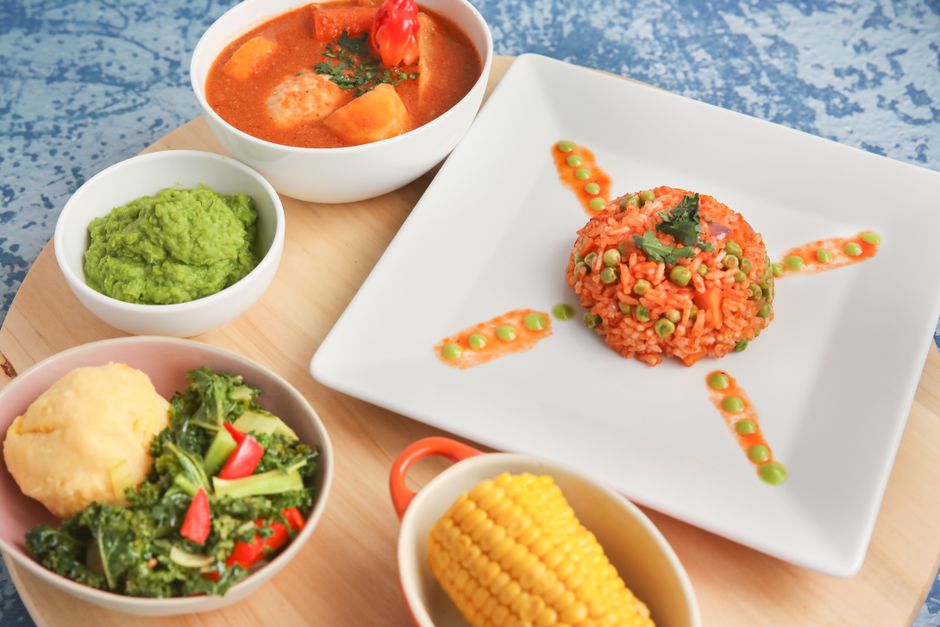
Stepping into a Nigerian kitchen, you are often welcomed by the tantalizing aroma of traditional dishes simmering away. However, the heart of a home can quickly become chaotic without proper organization. Whether you're whipping up a pot of Jollof Rice or preparing a quick batch of Akara, an organized kitchen is essential for efficiency and creativity. But how do we achieve this in the typical Nigerian setting?
In this guide, we'll explore practical strategies to transform your kitchen into a well-organized space that reflects your culinary passion and Nigerian heritage. From smart storage solutions to arranging your spice rack, these tips will make cooking a breeze and perhaps even inspire you to try out new recipes.
Understanding Your Kitchen Space
Evaluating Your Current Setup
Before diving into the organization, it's crucial to take stock of your current kitchen setup. Look around and identify areas that require immediate attention, such as cluttered countertops or overflowing cabinets.
- Assess the space: Gauge the available storage areas and working surfaces.
- Identify bottlenecks: Note places that often become crowded or disorganized during meal prep.
- Prioritize needs: Determine which kitchen tools and ingredients you use most frequently.
Maximizing Small Spaces
Many Nigerian homes have compact kitchens. However, limited space doesn't have to mean limited functionality.
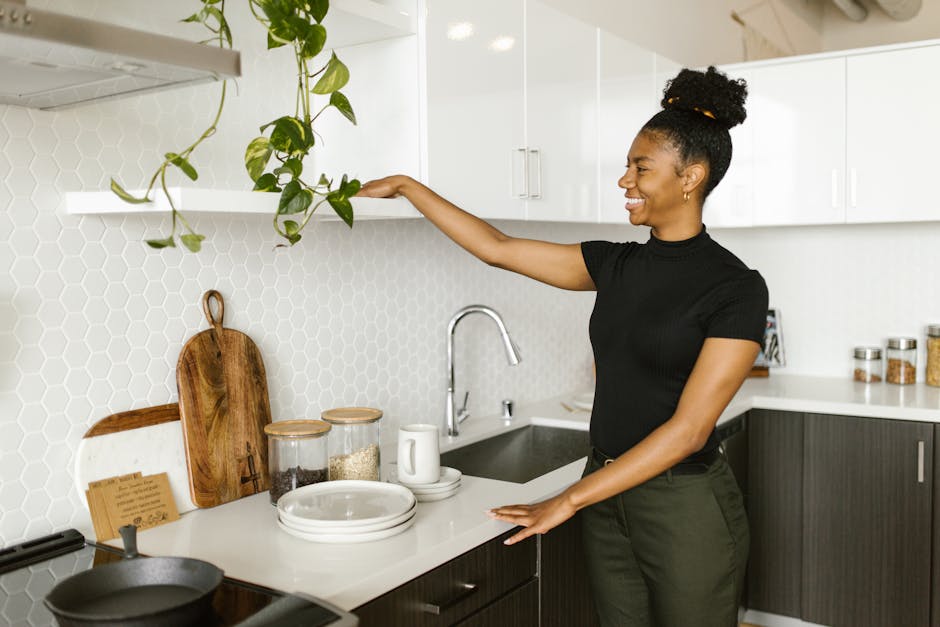
- Use vertical storage: Invest in shelves that utilize wall space effectively.
- Opt for multi-purpose furniture: Consider foldable tables or chairs that can be tucked away after use.
- Install hooks: Hang utensils or mugs to free up drawer space.
Strategic Kitchen Zones
Creating Functional Areas
Divide your kitchen into zones to streamline your cooking process. Each zone should serve a specific purpose, like prep, cooking, or cleaning.
For instance, keep all your cooking essentials near the stove, while knives and chopping boards should be easily accessible in the prep area. This zonal approach minimizes movement and maximizes efficiency.
Utilizing the Triangle Layout
The kitchen triangle layout emphasizes an efficient workflow between the stove, sink, and refrigerator. Ensure these spots form a triangle, allowing for easy movement while preparing meals.
"The secret to a well-functioning kitchen is not just in its aesthetics but how effortlessly you can move and work within it."
Smart Storage Solutions
Innovative Cabinet Organization
Cabinets often become dumping grounds for various kitchen items. Employ the following strategies to optimize their use:
- Use clear containers: Store grains, spices, and other dry goods in transparent containers for easy identification.
- Install pull-out shelves: These help you access items stored at the back without hassle.
- Label everything: Clear labels prevent mix-ups and help you keep track of stock.
Spice Rack Revolution
Spices are a cornerstone of Nigerian cooking, so a well-arranged spice rack is non-negotiable.
- Arrange alphabetically: This simple method makes it easier to find what you need during cooking.
- Group by use: Keep frequently used spices at the front and specialty spices further back.
Maintaining Order and Efficiency
Routine Clean-ups
Regular maintenance is key to a perpetually organized kitchen. Set aside a few minutes daily to tidy up surfaces and return items to their designated places.
Seasonal Overhauls
Every few months, conduct a thorough review of your kitchen layout and storage. Get rid of expired items and donate tools you no longer use.
"An organized kitchen not only saves time but also boosts creativity, encouraging you to explore new culinary adventures."
Final Thoughts
Organizing a Nigerian kitchen requires thoughtful planning and regular upkeep. By implementing these strategies, you can create a welcoming and efficient space that enhances your cooking experience. Remember, the goal is not just to keep things tidy but to cultivate an environment that inspires and supports your culinary journey.
Embrace the process of organizing as part of your kitchen's rhythm, and you'll find joy in both the cooking and the eating.