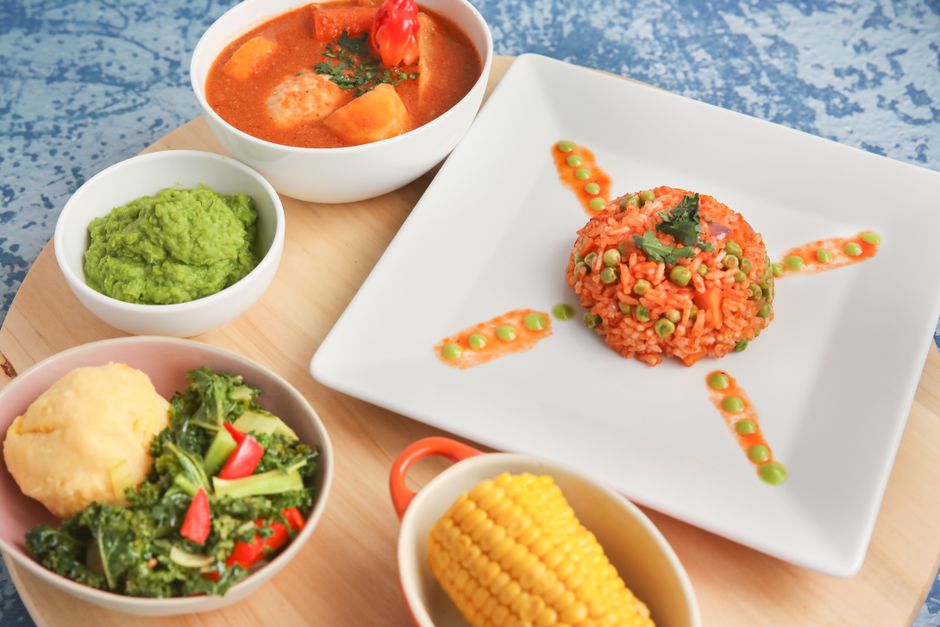
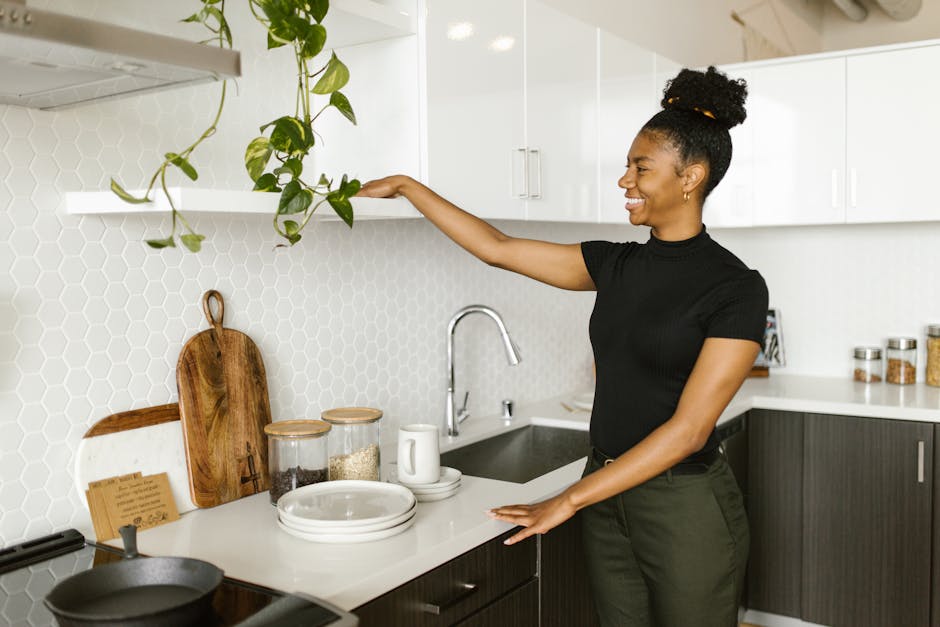
Every Nigerian kitchen, bustling with the aromatic scents of jollof rice, egusi soup, or the spices of suya, has its own unique charm. However, between the need for efficiency and the desire to keep things tidy, organizing a kitchen can often feel like a daunting task. Whether your kitchen is a small galley type or a spacious open-plan, a well-organized space can make cooking a joy rather than a chore. Let's dive into the ultimate guide to organizing your Nigerian kitchen, ensuring you have a functional and enjoyable space to cook up your favorite dishes.
Before we delve into the nitty-gritty, it's worth noting that a well-organized kitchen is not just about aesthetics; it's about creating a space where everything has its place, reducing stress and improving your cooking efficiency. With a little planning and some clever tips, you can transform your kitchen into the heart of your home, where family and friends gather to share delicious meals and create lasting memories.
From maximizing cabinet space to finding the perfect spot for your spices, this guide will provide you with practical solutions that resonate with the typical Nigerian household. Let's get started on this journey to a more organized, efficient, and happy kitchen!
Understanding Your Kitchen Space
Assessing Your Current Layout
The first step in organizing your kitchen is to assess your current layout. Take a good look at your kitchen's design, noting where appliances are located and where you store your most-used items.
- Identify areas that are cluttered or difficult to access.
- Consider how you move when cooking and where bottlenecks occur.
- Take note of what works well and what needs improvement.
Understanding your kitchen's flow will help you determine what changes are needed to make it more efficient.
Maximizing Available Space
Space is often at a premium in Nigerian kitchens, so maximizing what you have is crucial. Vertical storage solutions, such as wall-mounted racks or high shelves, can free up valuable counter space.
- Use the walls for hanging utensils, pot racks, or spice shelves.
- Consider pull-out pantry shelves for storing dry goods neatly.
- Use stackable containers to store items in cabinets efficiently.
"In small kitchens, every inch counts. Think up, not out, to save space."
Organizing Kitchen Cabinets and Drawers
Effective Cabinet Arrangements
Cabinets are often the backbone of kitchen storage. Arrange them so that frequently used items are easily accessible.
- Store pots and pans near the stove for easy access.
- Keep baking supplies together in one area.
- Use clear containers to see contents at a glance.
This not only saves time but also minimizes frustration when cooking.
Drawer Organizers and Dividers
Drawers can quickly become jumbled, making it hard to find what you need. Consider using organizers and dividers to keep things tidy.
- Use dividers for utensils, separating spoons, forks, and knives.
- Install a drawer organizer for spices to keep them upright and visible.
- Allocate specific drawers for linens, like dish towels and oven mitts.
With a little bit of effort, your drawers can become a model of efficiency.
Efficient Pantry Management
Stocking the Nigerian Pantry
A well-stocked and organized pantry ensures you have essential ingredients on hand. Start by categorizing pantry items.
- Group grains and legumes together, such as rice, beans, and garri.
- Organize canned goods by type (vegetables, fish, etc.).
- Label shelves to identify categories easily.
"An organized pantry is the secret to quick, stress-free meal preparation."
Implementing a Rotation System
Implementing a rotation system ensures older items are used before newer ones, reducing waste.
- Place new items at the back of the shelf.
- Use older items first, keeping track of expiration dates.
- Regularly check inventory to avoid overstocking.
This system helps maintain a fresh pantry and prevents last-minute trips to the grocery store.
Creating a Functional Cooking Zone
Organizing Your Workstations
Divide your kitchen into workstations to streamline meal prep. Each station should have all necessary tools and ingredients.
- Set up a chopping station with cutting boards and knives.
- Create a cooking zone near the stove with pots, pans, and cooking utensils.
- Keep a cleaning station with sponges, dish soap, and towels nearby.
This approach minimizes movement, saving time and effort.
Incorporating Technology
Modern technology can enhance kitchen efficiency. Consider incorporating smart gadgets and appliances.
- Install a digital recipe display for easy access to recipes.
- Use a smart speaker for hands-free cooking assistance.
- Invest in energy-efficient appliances to save on utility bills.
These tools can make cooking a more enjoyable and seamless experience.
Maintaining Your Organized Kitchen
Regular Decluttering Habits
Keeping a kitchen organized requires ongoing effort. Develop habits that prevent clutter from piling up.
- Dedicate 10 minutes each day to tidying up.
- Regularly purge expired or unused items.
- Re-evaluate your storage solutions every few months.
Consistency is key to maintaining a tidy kitchen space.
Staying Inspired
Finally, keep your kitchen inspiring and fresh to encourage you to maintain its organization.
- Update decor seasonally to keep things lively.
- Incorporate personal touches like family photos or plants.
- Share your organized space with friends and family for added motivation.
An inviting kitchen is one you'll love spending time in, making organization second nature.
Conclusion
Organizing your Nigerian kitchen doesn't have to be an overwhelming task. By understanding your space, maximizing storage, and maintaining new habits, you can create a kitchen that not only looks good but also works efficiently. Remember, the heart of the home thrives on order and creativity — both of which are within your reach. With these tips, you'll be on your way to having a kitchen that's as warm and inviting as the delicious meals you prepare within it. Happy organizing!