Nigerian stews are a staple in many homes across the country. Rich, flavorful, and often spicy, these stews form the backbone of many meals, from Efo Riro to Banga Soup. However, a common mistake many home cooks make is applying too much heat during the cooking process, which can lead to significant flavor loss and even nutrient depletion. This seemingly minor oversight can drastically alter the taste and health benefits of your dish.
Using excessive heat might seem like a quick way to get dinner on the table, but it can compromise the integrity of your ingredients. Overheating can cause vegetables to lose their vibrant colors, meats to become tough, and spices to lose their nuanced flavors. More than just affecting taste, this mistake can also reduce the nutritional value of the meal, robbing it of essential vitamins and minerals.
In this article, we will explore how to properly manage heat when cooking Nigerian stews. We’ll delve into practical advice and culinary techniques to enhance your cooking without sacrificing time, flavor, or nutrition.
Understanding the Impact of Heat on Ingredients
The Science of Heat in Cooking
Cooking is essentially a balance of science and art. When you apply heat to food, a variety of chemical reactions occur. The Maillard reaction, for instance, is a chemical reaction between amino acids and sugars that gives browned food its distinct flavor. However, too much heat can lead to overcooking, where these reactions go beyond the point of enhancing flavor to breaking down nutrients.
"Cooking with excessive heat can destroy between 15% to 30% of vitamin C and other water-soluble vitamins in vegetables." - Nutrition Expert, Dr. Ayo
Vegetables: Retaining Color and Nutrients
Vegetables are a crucial part of any stew, providing both flavor and nutrition. However, they are particularly sensitive to heat. Overcooking them can lead to a loss of vitamins, especially water-soluble ones like vitamin C and some B vitamins. A study showed that cooking spinach at high temperatures can result in up to a 50% loss of folate.
- **Tip:** Use a medium heat setting and consider blanching or steaming vegetables before adding them to the stew.
- **Tip:** Add vegetables towards the end of the cooking process to retain their nutrients and vibrant colors.
Mastering Meat Cooking Techniques
Preserving Tenderness and Flavor
Meat is often the star of the stew, from beef to chicken to goat. However, cooking meat at high temperatures can result in toughness and dryness. The proteins in meat coagulate quickly at high temperatures, squeezing out moisture and flavor.
- **Tip:** Slowly bring meat to the desired temperature by searing it first at a high temperature for a short time, then lowering the heat to cook it slowly.
- **Tip:** Use a meat thermometer to ensure meats are cooked to the perfect temperature without exceeding it.
Utilizing Marinades and Broths
Another way to combat heat-induced dryness is by using marinades and broths. These not only infuse meat with extra flavor but also help retain moisture during cooking.
"A well-marinated piece of meat can withstand longer cooking times without losing its juiciness." - Chef Funke
- **Tip:** Marinate meat overnight with acid-based marinades (like citrus or vinegar) to tenderize it before cooking.
- **Tip:** Keep meats submerged in broth during stewing to maintain moisture.
Spices: Unlocking Their Full Potential
The Role of Spices in Nigerian Stews
Spices are the heart and soul of any Nigerian stew. They provide depth, heat, and complexity. However, their oils can degrade rapidly under high heat, losing much of their aroma and potency.
- **Tip:** Add spices towards the end of the cooking process or temper them in oil at the beginning to release their flavors without burning.
- **Tip:** Store spices in a cool, dark place to keep them fresh and flavorful for longer.
Layering Flavors
Building a flavorful stew requires a careful layering of spices and ingredients. Start with a base of onions and garlic, followed by tomatoes and peppers, then your choice of spices. This methodical approach allows each ingredient to contribute to the overall flavor without being overpowered by heat.
Balancing Heat and Time
Perfecting the Cooking Time
Understanding the balance between heat and time is crucial for a successful stew. Generally, a slower cooking process yields better results, allowing flavors to meld and develop fully without any ingredient becoming overcooked.
- **Tip:** Use a slow cooker or a well-insulated pot to maintain a steady, low heat.
- **Tip:** Stir occasionally to ensure even cooking and prevent food from sticking to the bottom of the pot.
Adjusting According to Your Stove
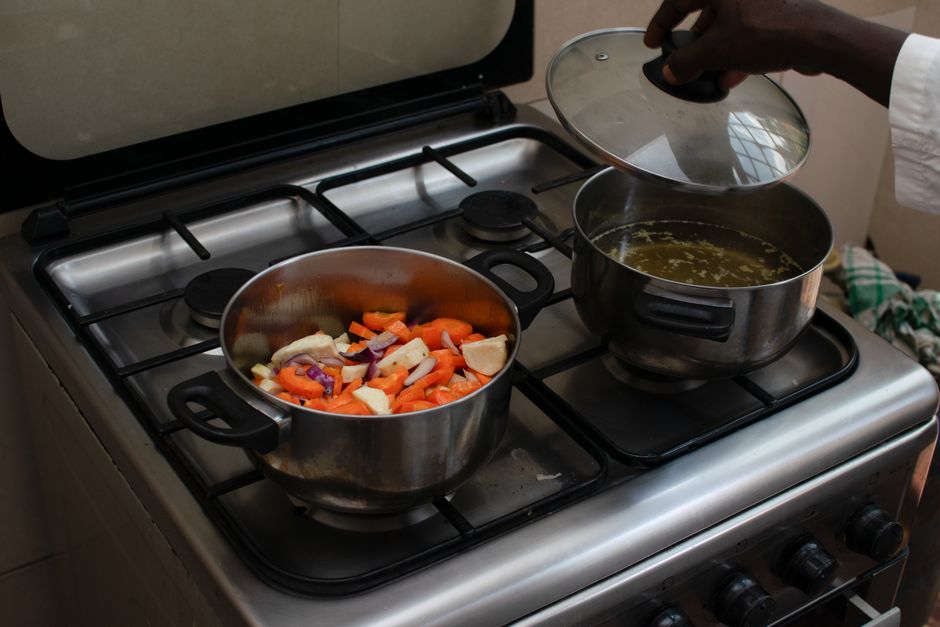
Different stoves have varying heat levels. What might be medium heat on one stove could be high on another. Familiarize yourself with your stove's settings and adjust accordingly.
"Every kitchen appliance has its personality. Get to know yours to cook better." - Kitchen Appliance Expert, Dami
Final Thoughts
Cooking Nigerian stews to perfection requires more than just following a recipe. It demands an understanding of heat and its effects on ingredients. By paying attention to the cooking process and making minor adjustments, you can significantly improve the flavor, texture, and nutritional value of your stews. Avoid the common mistake of overheating, and instead embrace the art of cooking with precision and care. Your taste buds and your health will thank you.