Harmattan, a unique season in Nigeria, arrives with its own set of kitchen challenges. The dry, dusty winds sweeping across the country from December to February not only affect the air quality but also impact how we cook and store our food. For many households, this season demands a shift in kitchen practices to maintain both flavor and efficiency.
Imagine preparing a hearty stew only to find that the ingredients have lost their freshness due to the dry air. Or, picture trying to knead dough in a kitchen where the temperature fluctuates unpredictably. These common scenarios underscore the importance of adapting our culinary habits to suit Harmattan's demands. In this guide, we'll explore practical ways to navigate this season with ease and creativity, ensuring that your kitchen remains a place of comfort and joy.
Understanding Harmattan's Impact on the Kitchen
Humidity and Dust Challenges
During Harmattan, the air becomes significantly drier, which can drastically alter how your ingredients behave. For instance, moisture-sensitive items like flour and spices may clump or lose their potency. It's crucial to store these ingredients in airtight containers to preserve their quality.
"Airtight containers are your best friends during Harmattan."
Temperature Fluctuations
The drop in temperature, particularly during the early mornings and late evenings, can affect cooking times and techniques. Baking, for example, might require slight adjustments in temperature or time to achieve the desired results.
- Consider preheating your baking equipment for longer periods.
- Monitor cooking times closely to avoid under or overcooking.
Ingredient Selection and Storage
Choosing Seasonal Produce
Embrace locally available produce that is naturally more resistant to Harmattan's conditions. Root vegetables like yam and cassava tend to fare better during this season.
Shopping at local markets can also help you find fresher ingredients. Be sure to ask vendors about their supply chain to ensure you're getting the best quality.
Effective Storage Solutions
Invest in glass or BPA-free plastic containers with tight seals. This not only keeps ingredients fresh but also protects them from dust contamination. Additionally, consider storing perishables in cooler areas of your home if your kitchen temperature is inconsistent.
Adjusting Cooking Techniques
Slow Cooking and Stews
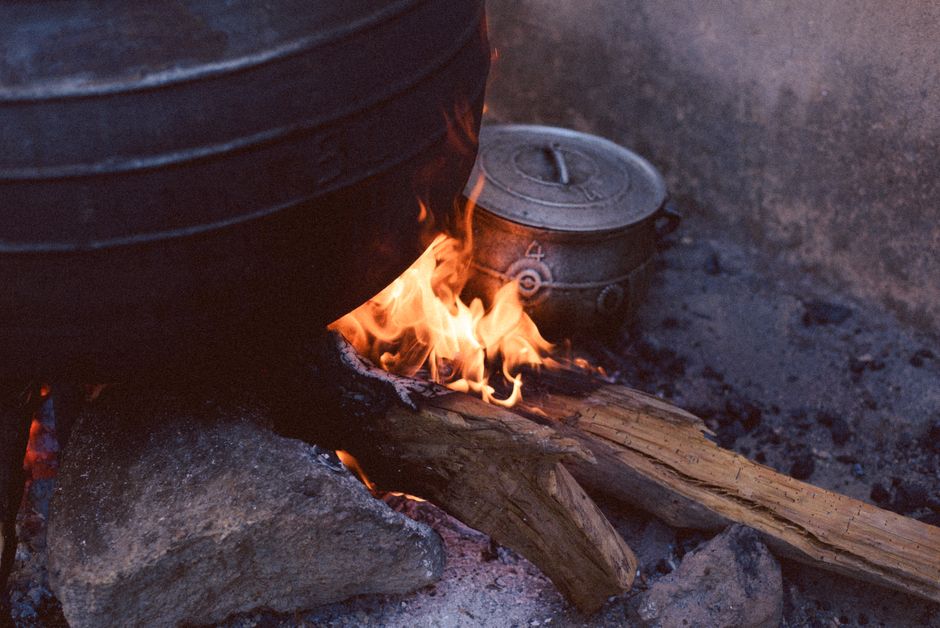
Harmattan is the perfect time to indulge in slow-cooked meals and hearty stews. These dishes benefit from longer cooking times, which can compensate for any variations caused by temperature changes.
Optimizing Baking
Baking during Harmattan can be tricky. Ensure your oven thermometer is accurate, and be prepared to make minor adjustments. Keep an eye on dough hydration levels, as excess dryness can hinder yeast activity.
Maintaining Kitchen Comfort
Improving Air Quality
With all the dust in the air, maintaining good indoor air quality is vital. Consider using air purifiers or placing damp cloths near windows to catch dust particles.
"A clean kitchen is a comfortable kitchen, especially during Harmattan."
Keeping a Consistent Cleaning Routine
Regularly wipe down surfaces to prevent dust build-up. This not only maintains hygiene but also ensures that your kitchen remains a welcoming space for cooking and gathering.
Conclusion
Adapting to Harmattan in the kitchen doesn't have to be daunting. With mindful adjustments to ingredient selection, cooking methods, and storage solutions, you can maintain a functional and enjoyable cooking environment throughout the season. Embrace the changes and let Harmattan inspire a new wave of creativity in your culinary adventures.