In Nigeria, the arrival of Harmattan signals more than just cooler weather; it heralds the season of heartwarming soups that bring people together. With its dry, dusty winds and chilly nights, Harmattan is the perfect backdrop for indulging in the rich, comforting flavors of traditional Nigerian soups. These dishes not only warm the body but also nourish the soul, making them an essential part of the culinary culture during this unique season.
The Harmattan season, typically spanning from late November to early March, transforms the Nigerian landscape. As the sun sets earlier and night's chill sets in, families gather around steaming pots of soup, savoring each mouthful. This period provides a wonderful opportunity to explore a variety of local ingredients that are readily available, offering culinary experiences that go beyond mere sustenance.
Understanding the significance of soups in Nigerian culture, especially during Harmattan, not only enriches your cooking repertoire but also deepens your appreciation for the nuanced flavors and textures that define these timeless dishes. Let's dive into why this season elevates the experience of enjoying Nigerian soups.
The Harmattan Effect: Nature's Invitation to Comfort Food
The Harmattan season is marked by its distinctive weather pattern, bringing dry winds from the Sahara and cooler temperatures. This climatic change creates an ideal atmosphere for enjoying warming meals. The dry air and dusty environment often lead people to seek out foods that provide both physical warmth and moisture.
Why Soups Are Essential During Harmattan
- Hydration: Despite the cooler temperatures, the dry air can cause dehydration. Soups offer a hydrating option, replenishing lost moisture.
- Warmth: The heat from a freshly cooked soup can be comforting, making it a popular choice for chilly evenings.
- Nutrient-Rich: Soups made with vegetables, meats, and spices provide essential nutrients that boost energy levels and improve immunity.
Popular Nigerian Soups for the Season
- Egusi Soup: Made from melon seeds, this soup is thick and hearty, perfect for rejuvenating the body after a day in the dry winds.
- Bitterleaf Soup: Known for its medicinal properties, this soup is both rich in flavor and beneficial to health.
- Ogbono Soup: Its slippery texture makes it unique and enjoyable, often served with pounded yam.
Local Ingredients: The Heart of Harmattan Soups
Nigerian soups are not only about taste but also about the fresh, local ingredients used in their preparation. Harmattan brings with it a bounty of produce that enhances these traditional dishes.
Seasonal Vegetables and Spices
- Pumpkin Leaves (Ugu): A staple in many soups, these leaves are available in abundance during Harmattan.
- Peppers and Tomatoes: These add a kick and a burst of color to any dish, and are plentiful during the season.
- Local Spices: Ginger, garlic, and other spices are more fragrant in the cooler climate, enriching the flavors of soups.
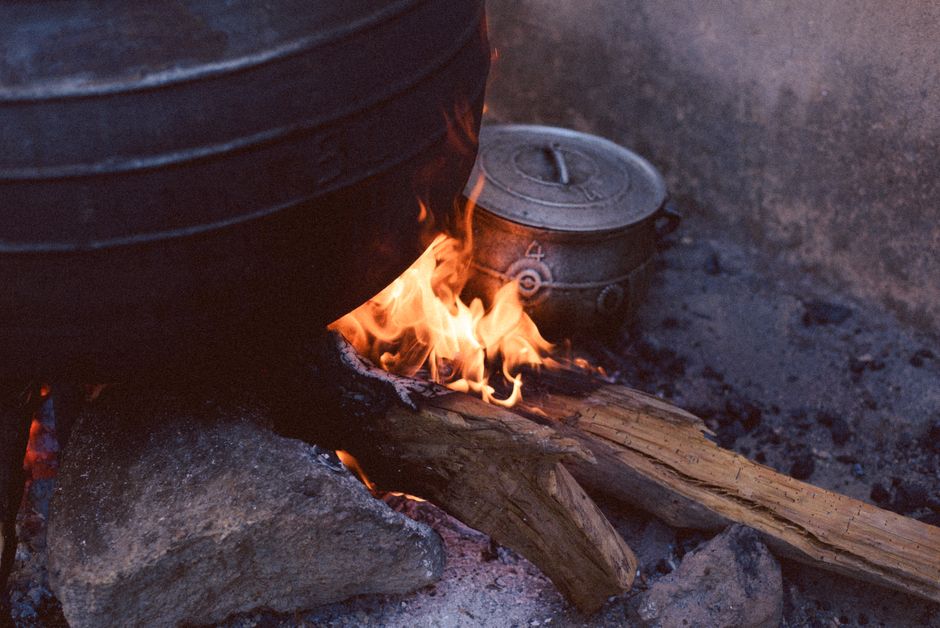
"Cooking during Harmattan isn't just about food; it's about a sensory experience that ties together warmth, tradition, and togetherness."
Cultural Significance of Soups During Harmattan
Beyond the physical benefits, soups hold a special place in Nigerian culture, especially during the Harmattan season. They are often the centerpiece of family gatherings, symbolizing unity and hospitality.
Gathering Around: More Than Just a Meal
Sharing a bowl of soup with family and friends is a cherished tradition. It's a moment to pause and connect, away from the hustle and bustle of daily life. The communal preparation and consumption of soup promote social bonds and create lasting memories.
Festivities and Soups
The Harmattan season coincides with several festive occasions such as Christmas and New Year, where soups play a pivotal role in celebrations. Special recipes are passed down through generations, each family adding its unique twist to the traditional flavors.
Cooking Tips for Harmattan Soups
To make the most out of your soup-making during this season, consider these practical tips:
Maximize Flavors
- Sauté Spices: Always sauté your spices before adding them to the soup to release their full aromatic potential.
- Layer Ingredients: Add ingredients in layers to build depth and complexity in the flavor profile.
Preserve Nutrients
- Avoid Overcooking: Cook vegetables until just tender to preserve vitamins and minerals.
- Use Fresh Herbs: Add fresh herbs at the end of cooking for a burst of freshness and color.
Conclusion
Harmattan is more than just a season of weather changes; it's a time of culinary tradition and family bonding. The warmth of Nigerian soups during these cooler months offers comfort and nourishment, drawing from the rich tapestry of local ingredients and cultural practices. Whether you're savoring a bowl of Egusi soup or enjoying the unique texture of Ogbono, each meal during Harmattan is an invitation to share, celebrate, and indulge in the flavors of Nigeria.