Chances are, your fridge sometimes looks like a collection of mismatched leftovers. Perhaps you have bits of chicken from last night's dinner, a handful of veggies you're not sure what to do with, and some cooked rice that's starting to take up space. But don't worry; these ingredients don't have to go to waste. Instead, let's give them a makeover with a flavorful and uniquely Nigerian twist. We're talking about transforming your kitchen scraps into a delicious pot of Nigerian Jollof Rice.
This isn't just any jollof rice, but one that creatively repurposes what you already have, reducing waste and saving money. The beauty of this dish lies in its flexibility and vibrant taste.
In this step-by-step guide, we'll not only help you transform your leftovers into a meal that could rival any fresh cooking but also reignite your love for traditional Nigerian flavors.
Assessing Your Leftovers
Before diving into cooking, take stock of what you have. This will guide your jollof rice journey.
Gather Your Ingredients
- Cooked Rice: Ideally, use 2-3 cups of leftover rice. Jollof rice works best with already-cooled rice as it absorbs flavors better.
- Protein: Chicken is classic, but beef or fish can work too. Use about 1 cup, diced or shredded.
- Veggies: Tomatoes, bell peppers, onions, and carrots are common. Aim for about 2 cups chopped.
- Spices and Seasonings: Salt, thyme, curry powder, and seasoning cubes are essentials.
Pepper Blend
The key to authentic jollof rice is the pepper blend. Here's how to make it:
- Tomatoes: 3 ripe tomatoes
- Red Bell Peppers: 2 medium-sized
- Scotch Bonnet Peppers: 1, for that spicy kick
- Onion: 1 medium-sized
Blend these ingredients together until smooth. This forms the base of your jollof rice.
Cooking the Jollof
Once you have your ingredients ready, it's time to cook!
Sautéing the Base
Heat a tablespoon of vegetable oil in a large pot. Add chopped onions and allow them to sauté until they're translucent. This step is crucial as it forms the flavor foundation.
Next, pour in your blended pepper mix. Allow it to cook on medium heat for about 10-15 minutes, stirring occasionally. The goal is to reduce the blend until it thickens and the oil starts to separate from the sauce.
Incorporating the Flavors
Add your spices: salt, thyme, curry powder, and seasoning cubes. Stir well and let this simmer for another 5 minutes.
Now, introduce your protein. Stir it into the mix, ensuring it's well coated in the flavorful sauce. Let this cook together for about 10 minutes so the protein absorbs the jollof flavors.
Adding the Rice
Gently fold in your leftover rice, ensuring each grain is coated in the rich sauce. A wooden spoon can help to prevent the rice from breaking.
Simmering to Perfection
Cover the pot tightly with a lid. You can place a piece of foil between the pot and the lid to trap steam effectively. Reduce to low heat and let the jollof rice steam for about 20 minutes.
Tip: Resist the urge to uncover the pot often. The steam helps infuse the flavors into the rice.
Finishing Touches
Once the rice is cooked through, fold in any remaining veggies like diced carrots or green peas. These should be added towards the end to retain their crunch and color.
Turn off the heat and leave the pot covered for another 5 minutes. This allows the flavors to meld together beautifully.
Serving Suggestions
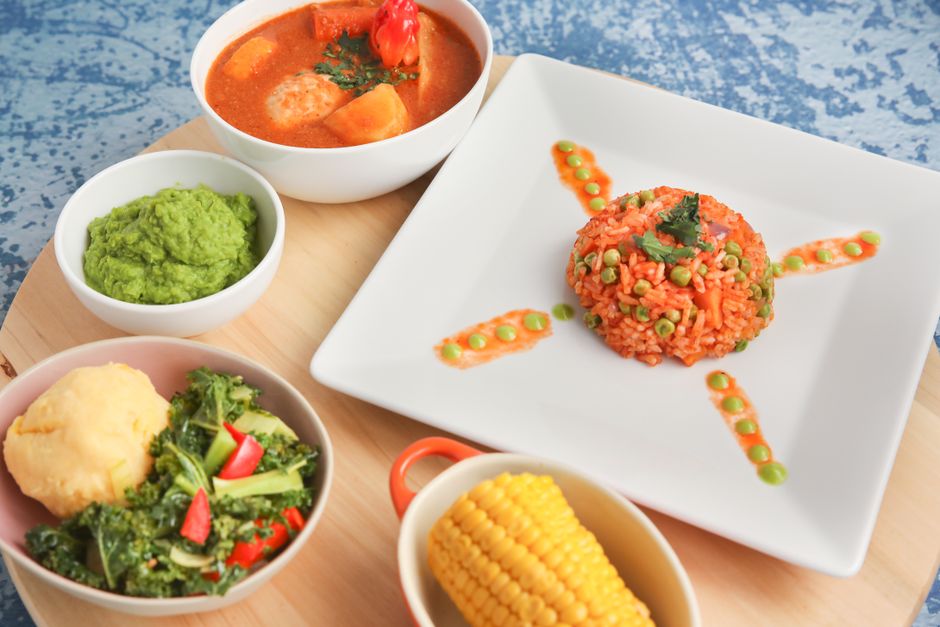
Your leftover-transformed jollof rice is now ready to be served. It pairs well with a side of dodo (fried plantains) or a simple salad to enhance the meal.
Garnishing
For a finishing touch, you can sprinkle some freshly chopped parsley or spring onions. This adds a hint of freshness and a pop of color to your dish.
Conclusion
Transforming leftovers into a delightful meal like Nigerian Jollof Rice is not only an exercise in creativity but also a sustainable approach to cooking. By making the most out of what's available, you can enjoy the rich taste of traditional flavors while minimizing waste. Next time you're faced with a fridge full of leftovers, think jollof!