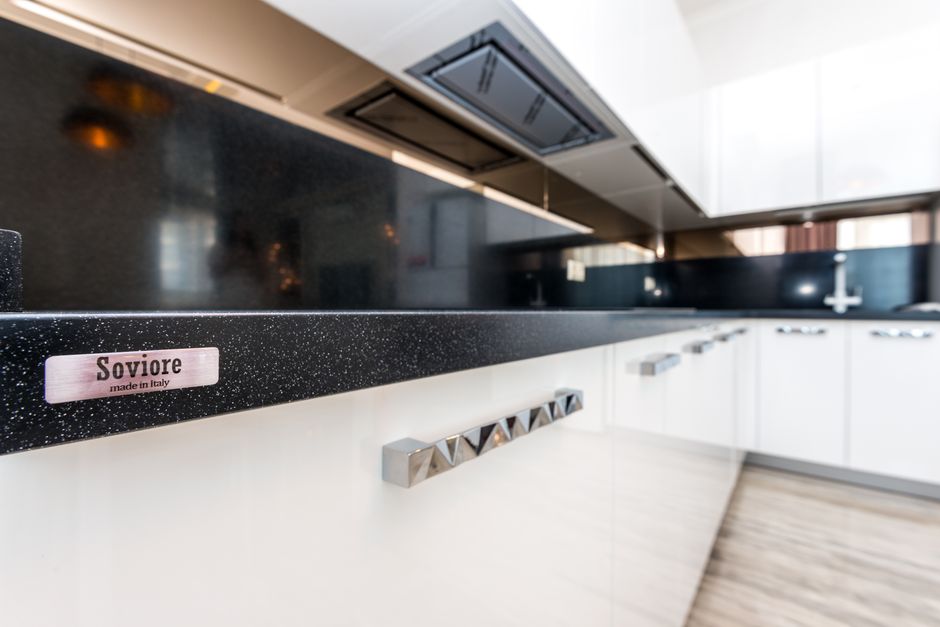
When it comes to kitchen makeovers, the approach you take can vary significantly depending on your level of experience. For Nigerian households looking to refresh their cooking spaces without breaking the bank, understanding the difference between beginner strategies and those employed by more seasoned home renovators can make all the difference. Whether you're just starting or have a few projects under your belt, tailoring your approach can lead to an efficient and satisfying transformation.
Let's explore the nuances between beginner and pro tips for budget-friendly kitchen makeovers. We'll look at specific strategies each group might employ, complete with actionable advice that you can apply directly to your kitchen.
Setting a Realistic Budget
Beginners: Stick to the Essentials
If you’re new to kitchen makeovers, setting a budget can be daunting. The key is to focus on necessities. Start by listing the core changes you want, such as painting walls or replacing a broken faucet.
- Prioritize Needs Over Wants: Make a list of must-have improvements versus nice-to-have features.
- Use Budget Apps: Utilize apps like Expense Manager to track and manage your spending efficiently.
Pros: Factor in Contingency Funds
Experienced remodelers understand that unexpected costs are part of the game. Have a contingency fund of about 10% of your total budget to cover any surprises.
"A seasoned renovator knows that things don't always go as planned. Budget for the unexpected."
- Breakdown Costs: Create a detailed budget using Excel to forecast expenses accurately.
- Source Locally: Leverage local markets in Lagos for materials to save on delivery costs.
Choosing the Right Materials
Beginners: Go for Cost-Effective Options
When you’re just starting, opting for budget materials can help you manage costs while still achieving a fresh look. Think vinyl tiles and pre-fabricated cabinets.
- DIY-Friendly Materials: Choose materials that are easy to work with on your own, reducing the need for professional installers.
- Paint as a Quick Fix: A fresh coat of paint can dramatically change your kitchen's appearance without major renovations.
Pros: Invest in Long-Term Durability
More experienced renovators know the value of investing in materials that offer longevity. High-quality countertops or energy-efficient appliances might have a higher upfront cost but save money over time.
- Research and Compare: Use online resources to compare the durability and cost-effectiveness of materials like granite versus quartz.
- Look for Deals: Sign up for newsletters from home improvement stores to catch sales on premium materials.
Design and Layout Planning
Beginners: Keep It Simple
For a novice, keeping the design straightforward is key. Choose a layout that maximizes space without overcomplicating the flow.
- Open Shelving: Consider removing upper cabinets for open shelving, which can make the kitchen feel larger.
- Minimalism Works: Fewer design elements can lead to lower costs and a cleaner look.
Pros: Optimize Functionality
Experienced designers focus on enhancing the kitchen's functionality. They might rearrange elements to improve the room’s workflow.
"For pros, efficiency and elegance go hand in hand. Plan a layout that serves both form and function."
- Triangle Rule: Ensure that the stove, sink, and refrigerator form a natural triangle for ease of use.
- Custom Solutions: Tailor storage solutions to fit the unique needs of your household.
DIY vs. Hiring Professionals
Beginners: Embrace DIY
For simple tasks, DIY can save money and provide a rewarding sense of accomplishment. Repainting cabinets or installing new light fixtures are great starter projects.
- YouTube Tutorials: Use online tutorials to guide you through basic projects.
- Beginner Tools: Invest in a basic toolkit from local markets to handle small tasks confidently.
Pros: Know When to Call the Experts
Seasoned renovators understand when a job requires professional expertise. Complex plumbing or electrical work should be left to skilled technicians.
- Cost vs. Time: Balance the cost of hiring professionals against the time saved and quality of work.
- Find Trusted Professionals: Seek recommendations and check online reviews for local contractors.
Environmental Considerations
Beginners: Take Small Green Steps
Even minor efforts like using LED bulbs or incorporating recycled materials can contribute to a more eco-friendly kitchen.
- Energy-Efficient Appliances: Start with one energy-efficient appliance to see long-term savings on utility bills.
- Recycling Stations: Set up a dedicated space for sorting recyclables right in your kitchen.
Pros: Implement Comprehensive Practices
Experienced renovators may opt for comprehensive energy-saving solutions, such as solar panels or greywater systems.
"Eco-conscious renovations don't just benefit the planet, they enhance the living experience."
- Plan for Sustainability: Choose sustainable materials and practices from the outset.
- Long-Term Savings: Consider the return on investment for larger eco-friendly installations.
Conclusion
Whether you're a beginner just stepping into the world of kitchen makeovers or a seasoned pro looking for a fresh challenge, understanding the different approaches at each experience level can transform your project. Start with realistic goals and grow your skills over time. It's not just about the transformation of a space, but also about evolving your abilities to create a kitchen that truly feels like home.