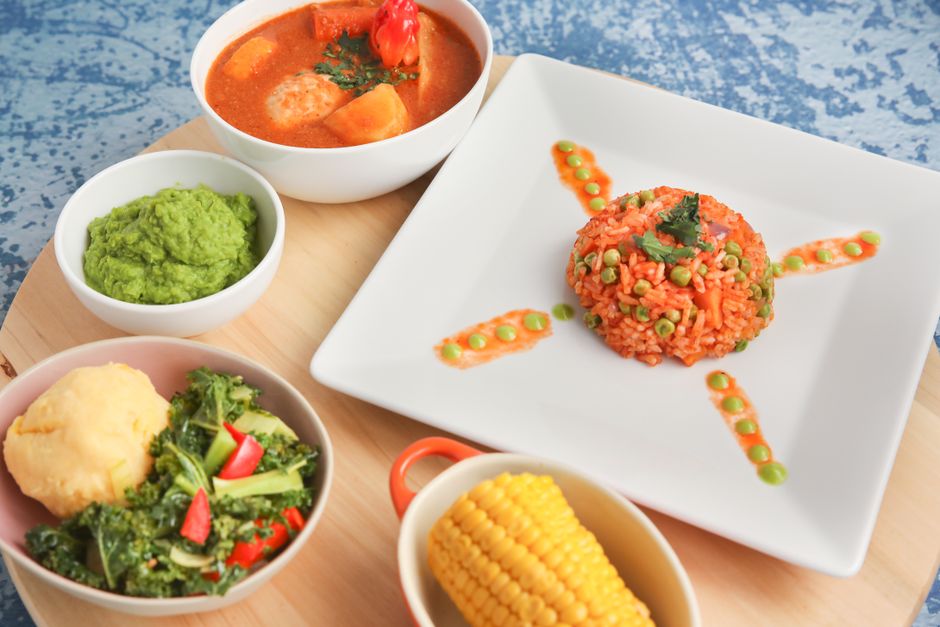
In the heart of every Nigerian home, the kitchen is more than just a place to prepare meals. It's a hub of activity where traditions are passed down and new culinary adventures begin. However, amidst the aromatic spices and bubbling pots, there lies a plethora of kitchen myths that could easily mislead even the most seasoned home cook. Today, we're not just cooking up a storm; we're debunking some of these myths that have stood the test of time yet hold little truth when scrutinized closely.
Have you ever been told that adding oil to pasta water prevents sticking, or that a sharp knife is more dangerous than a dull one? These are just a few of the misconceptions that have been passed down through generations, and it's time to set the record straight. In this article, we'll dissect some of the most pervasive kitchen myths, separating fact from fiction, so you can elevate your cooking game and arm yourself with knowledge that actually works.
Myth 1: Adding Oil to Pasta Water Prevents Sticking
This is perhaps one of the most prevalent kitchen myths around. The idea is that by adding a dash of oil to your boiling pasta water, you can keep the strands of pasta from sticking together. But does this really hold up?
The Reality
While it may sound plausible, adding oil to pasta water is not the solution to your sticky pasta woes. The oil floats on the surface and has little to no effect on the pasta itself. Instead, it can make the pasta slippery, preventing sauce from adhering properly.
The Right Approach
- Ensure you use a large pot with plenty of water.
- Stir the pasta occasionally during the first few minutes of cooking.
- For added measure, rinse cooked pasta under cold water if you plan to store it.
"The secret to perfect pasta lies in the stirring, not the oil."
Myth 2: A Sharp Knife is More Dangerous than a Dull One
It's a common refrain in kitchens: be careful with that sharp knife, it’s dangerous! While the warning comes with good intentions, it’s actually a myth that needs debunking.
The Reality
In truth, dull knives are far more hazardous. They require more force to cut through food, increasing the likelihood of slipping and causing injury. A sharp knife, on the other hand, gives you precision and control over your cuts.
Safe Knife Practices
- Regularly sharpen your knives to maintain their edge.
- Use the right knife for the job.
- Practice proper cutting techniques to enhance safety.
"A sharp knife is your safest bet in the kitchen for clean, controlled cuts."
Myth 3: Storing Tomatoes in the Fridge Keeps Them Fresh
Many believe that the fridge is the best place for storing tomatoes to extend their shelf life. However, this can actually detract from their flavor and texture.
The Reality
Refrigeration can alter the chemical structure of tomatoes, causing them to become mealy and lose their rich flavors. Tomatoes thrive best at room temperature, away from direct sunlight.
Proper Storage Tips
- Store tomatoes stem side down on a countertop.
- Keep them away from ethylene-producing fruits like bananas.
- Consume ripe tomatoes within a few days for optimal flavor.
"Room temperature is the secret ingredient for juicy, flavorful tomatoes."
Myth 4: You Can Clean Everything with Vinegar
Vinegar is often touted as a universal cleaning solution for all kitchen surfaces. While it’s true that vinegar has many cleaning uses, it’s not the panacea it’s often made out to be.
The Reality
Vinegar is acidic, which makes it effective for dissolving mineral deposits and cutting through grime. However, it can damage certain materials like granite and marble, and it’s not an effective disinfectant against all bacteria.
Smart Cleaning Practices
- Use vinegar for glass, stainless steel, and ceramic surfaces.
- Avoid using vinegar on stone countertops.
- Pair with baking soda for an effective scrub and deodorizer.
"Know your surfaces: vinegar cleans many, but not all kitchen surfaces."
Conclusion
Understanding the facts behind these kitchen myths can dramatically change how you cook and care for your kitchen. Whether it's cooking pasta to perfection or ensuring your knife is in prime condition, debunking these myths helps you make informed decisions. Remember, the kitchen is a place for creativity and accuracy, and knowing the truth behind these common misconceptions ensures that both can coexist beautifully.