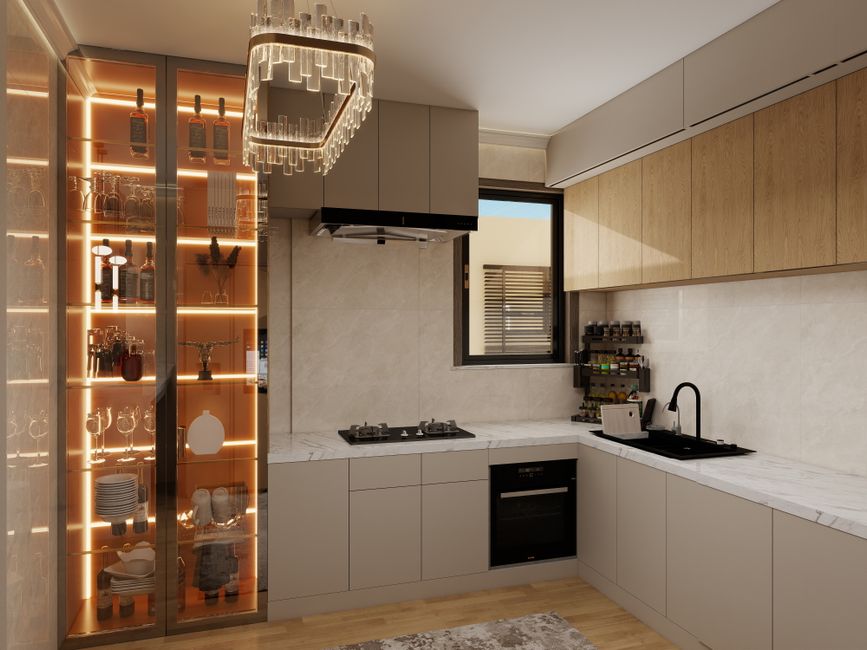
In every Nigerian household, the kitchen is more than just a place to prepare meals; it’s the heart of the home, where families gather and stories are shared. Creating a kitchen that combines functionality, style, and cultural relevance can greatly enhance your daily life. Whether you're renovating or designing from scratch, this guide will provide you with practical tips tailored for the Nigerian kitchen. Let’s delve into the world of kitchen transformations that will make your space both beautiful and efficient.
Understanding the essentials of a well-designed kitchen is crucial to achieving a balance between aesthetics and practicality. From selecting the right appliances to optimizing your layout, every decision plays a role in creating a harmonious cooking environment. In this article, we’ll explore various elements that contribute to a perfect Nigerian kitchen, considering local needs and tastes.
Choosing the Right Appliances
Appliances are the backbone of any kitchen, impacting both functionality and aesthetics. Selecting the right ones is crucial for a Nigerian home, where cooking often involves preparing large meals quickly.
Energy Efficiency
Energy-efficient appliances are not only environmentally friendly but also cost-effective. Look for appliances with high energy star ratings to save on electricity bills.
- Refrigerators: Consider size and energy efficiency. A fridge with a freezer compartment is ideal for storing frozen foods.
- Gas Cookers: Choose models with multiple burners to handle large pots, essential for Nigerian dishes like Jollof rice.
- Microwave Ovens: Essential for quick meal prep. Look for models with defrost and reheat settings.
Brand Recommendations
Consider reliable brands that offer durability and quality service. Popular options in Nigeria include LG, Samsung, and Thermocool.
"Investing in high-quality appliances can save money in the long run by reducing energy consumption and maintenance costs."
Optimizing Kitchen Layout
The layout of your kitchen can significantly impact its functionality. A well-thought-out design can make cooking more enjoyable and efficient.
Work Triangle
The work triangle layout is a classic design principle that connects the sink, stove, and refrigerator in a triangular shape, optimizing movement during cooking.
- Sink: Centrally located for easy access to water for cooking and cleaning.
- Stove: Placed strategically to allow sufficient counter space on either side for meal prep.
- Refrigerator: Positioned to allow easy access without obstructing kitchen flow.
Storage Solutions
Maximize storage with creative solutions like pull-out shelves and overhead cabinets. Consider open shelving for frequently used items.
"A well-organized kitchen reduces stress and increases efficiency, making meal preparation a breeze."
Incorporating Cultural Elements
Bringing cultural elements into your kitchen design can create a space that feels familiar and inviting. Here’s how to infuse Nigerian flair into your kitchen.
Color Schemes
Bold colors are a staple in Nigerian design. Consider incorporating vibrant hues through cabinetry, backsplashes, or decor items.
- Warm Tones: Use shades like orange, red, and yellow to create a welcoming atmosphere.
- Natural Materials: Wood and stone elements can add a rustic charm to your kitchen.
Traditional Accessories
Incorporate traditional Nigerian accessories like woven baskets, clay pots, and handcrafted utensils to add authenticity and charm.
"Integrating cultural elements into your kitchen design not only adds personality but also honors heritage and tradition."
Lighting and Ventilation
Proper lighting and ventilation are essential for a comfortable and functional kitchen. They enhance visibility and air quality, ensuring a pleasant cooking experience.
Lighting Options
Choose a combination of task, ambient, and accent lighting to ensure your kitchen is well-lit for cooking and entertaining.
- Task Lighting: Install under-cabinet lights to illuminate countertops where most prep work occurs.
- Ambient Lighting: Use ceiling fixtures to provide general illumination.
- Accent Lighting: Highlight architectural features or decor with spotlights or pendant lights.
Ventilation Tips
Ensure proper ventilation to remove cooking odors and smoke. Consider installing a range hood or exhaust fan for effective air circulation.
"Good lighting and ventilation are key to creating a pleasant and safe cooking environment, enhancing both functionality and comfort."
Maintaining Your Kitchen
Once your kitchen is set up, maintaining its cleanliness and functionality is crucial. Regular upkeep will keep your kitchen looking great and operating smoothly.
Cleaning Routine
Establish a regular cleaning schedule to maintain hygiene and aesthetics. Focus on countertops, appliances, and floors.
- Daily: Wipe down surfaces and clean up spills immediately to prevent stains.
- Weekly: Deep clean appliances and check for expired food in the fridge.
- Monthly: Inspect and organize cabinets and pantry items.
Repair and Maintenance
Address minor repairs promptly to avoid larger issues. Regularly check for leaks, appliance malfunctions, and wear and tear.
"Consistent maintenance not only prolongs the life of your kitchen but also ensures it remains a safe and efficient space."
Conclusion
Creating the perfect Nigerian kitchen involves thoughtful planning and a blend of functionality, style, and cultural elements. By selecting the right appliances, optimizing your layout, and incorporating traditional touches, you can design a space that reflects your personal taste while meeting the practical needs of daily cooking. Remember, a well-maintained kitchen is the key to enjoying stress-free meal preparations and gatherings. With these tips, your kitchen can become a cherished part of your home, where family and friends can enjoy good food and great company.