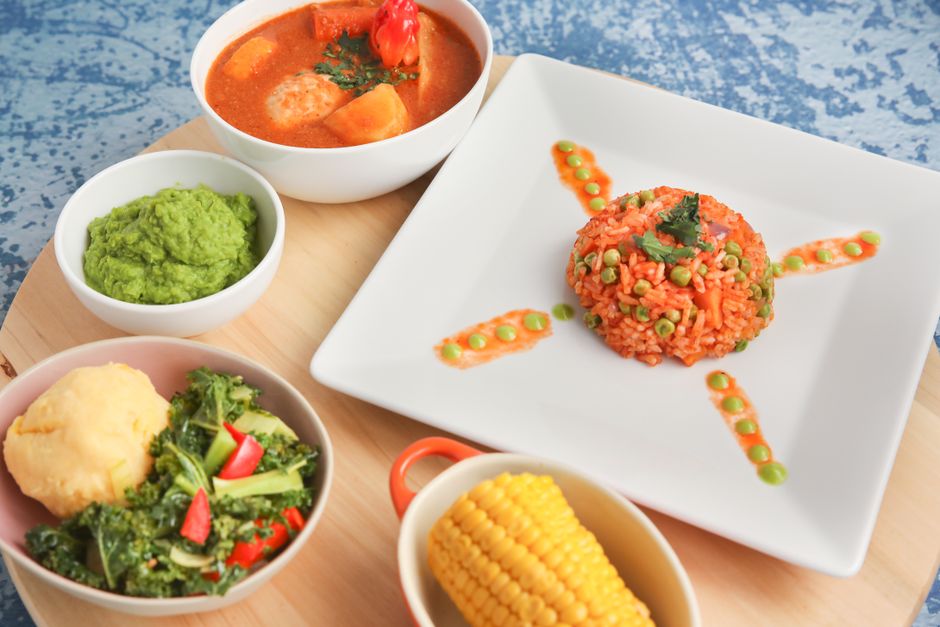
You walk into your kitchen, ready to whip up a delicious Nigerian meal. But wait! Are you unknowingly adhering to kitchen myths that might be ruining your culinary creations? Many of us abide by age-old kitchen rules without realizing they might be outdated or simply untrue. Today, we break down some widely believed kitchen myths, particularly in the context of Nigerian cooking, and replace them with facts.
Picture this: you're about to prepare a pot of jollof rice, but someone insists that washing your rice before cooking will only make it sticky. Or maybe you've been told that using a wooden spoon to stir your soups and stews is unhygienic. Are these claims rooted in fact, or are they mere myths? Let's explore.
Myth: Washing Rice Makes It Sticky
One of the most common myths in Nigerian kitchens is that washing rice before cooking will lead to a sticky, clumped dish. Some believe that rinsing rice removes the starch that gives it a fluffy texture.
Fact: Rinsing Rice for Better Texture
The truth is quite the opposite. Rinsing rice is essential for removing surface starch, which can cause the grains to clump together during cooking. By washing your rice, you ensure each grain remains distinct, providing that perfect texture we all crave in dishes like jollof rice or fried rice.
"Always rinse your rice until the water runs clear. This ensures the removal of excess starch, leading to fluffy, separate grains."
- Rinse rice in a bowl with cold water.
- Swirl the rice gently with your hand.
- Drain and repeat until the water is clear.
Myth: Wooden Spoons Are Unhygienic
Have you ever hesitated to use a wooden spoon, fearing it might harbor bacteria? The belief that wooden utensils are unhygienic has been perpetuated over time.
Fact: Proper Care Keeps Wooden Spoons Safe
Wooden spoons are not only safe but also preferred for stirring hot dishes like soups and stews. Wood is naturally antimicrobial, meaning it can resist bacterial growth better than some synthetic materials.
"As long as you clean and dry your wooden spoons properly, they are perfectly safe to use in your kitchen."
- Wash immediately after use with hot, soapy water.
- Air dry completely before storing.
- Avoid soaking in water to prevent cracking.
Myth: Adding Oil to Boiling Pasta Prevents Sticking
We've all heard the claim: add a dash of oil to your pasta water to prevent the noodles from sticking together. This is a common practice in many kitchens.
Fact: Stirring Is Key to Non-Sticky Pasta
Adding oil to pasta water is not only unnecessary but can also prevent sauce from adhering to your pasta later. The key to preventing sticking is frequent stirring during the first few minutes of cooking.
"Skip the oil and focus on using a large pot of water and stirring the pasta well in the beginning."
- Use a large pot with plenty of water.
- Stir pasta within the first 2 minutes of cooking.
- Cook to al dente for perfect texture.
Myth: Metal Cookware Harms Nutrient Content
Some claim that using metal pots and pans can deplete the nutrient content of your food, leading to less nutritious meals.
Fact: Cookware Material Doesn’t Affect Nutrient Levels
There is no evidence to suggest that metal cookware like stainless steel or aluminum affects the nutritional value of your food. What's more important is the cooking method and duration.
"Focus on steaming or sautéing to retain more nutrients, regardless of cookware material."
- Choose quick cooking methods to preserve nutrients.
- Steaming vegetables can retain more vitamins.
- Using stainless steel is safe and effective.
Final Thoughts
Kitchen myths can often lead us astray, impacting the way we prepare and enjoy our meals. By understanding the facts, especially in the rich culinary landscape of Nigerian cooking, you can create delicious dishes with confidence. Remember, the next time you step into your kitchen, armed with knowledge, you'll be ready to tackle any dish without falling for those pesky myths.
The kitchen is a place of exploration and joy. Keep experimenting, stay informed, and most importantly, enjoy the process of cooking and sharing meals with those you love.