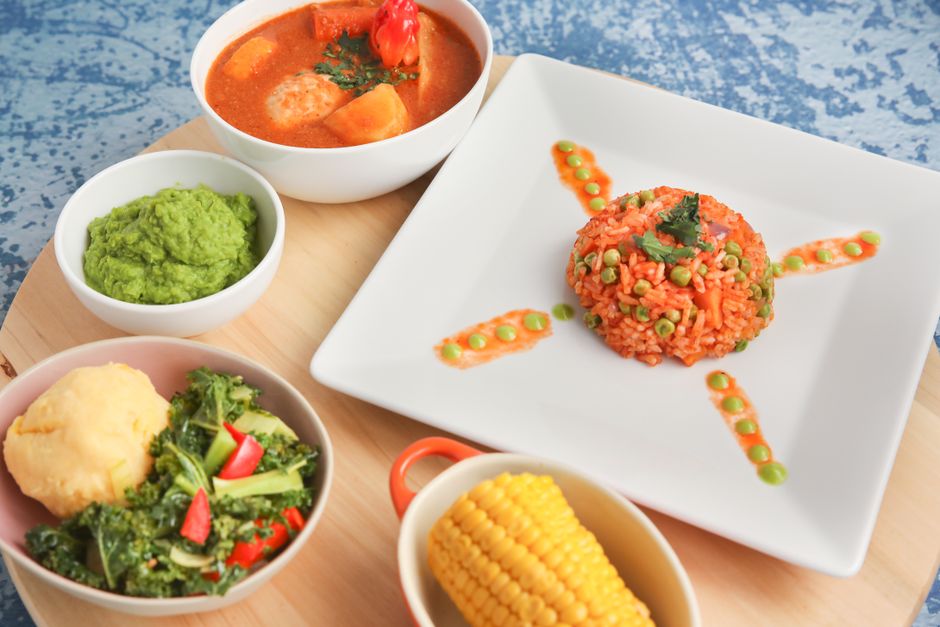
Imagine this: You have been craving that smoky, savory delight that is Nigerian Jollof Rice. You gather your ingredients, follow the recipe to the letter, and yet the result is... lackluster. For many, Jollof Rice isn’t just a dish; it's a culinary emblem, a staple at almost every festive gathering. So, when your attempt falls flat, it can be quite discouraging. But fear not! This guide dives into the troubleshooting of Jollof Rice when the obvious approach isn't working. We’ll offer practical solutions to get you back on the path to Jollof perfection.
Identifying Common Problems
Before we delve into solutions, let’s pinpoint what might be going wrong. Understanding the problem is half the battle won.
Rice Texture Issues
One of the most common problems with Jollof Rice is an undesired texture, whether too mushy or too hard. This can be due to several factors, including the type of rice used or incorrect water-to-rice ratios.
- Mushy Rice: Often a result of too much water. Nigerian long-grain parboiled rice is ideal because it absorbs less moisture compared to other types.
- Hard Rice: This could be due to insufficient water or cooking time. Remember, patience is key!
Lack of Smoky Flavor
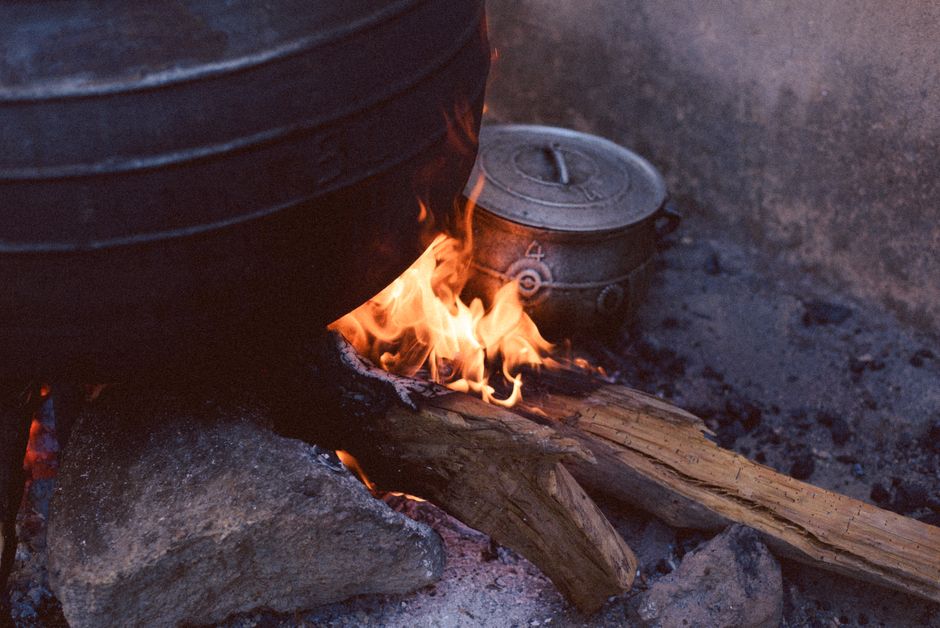
The hallmark of a good Jollof is its smoky flavor, akin to a dish cooked over firewood. If your Jollof lacks this, it might be due to not letting the bottom layer cook properly.
Tip: To achieve that smoky taste, allow the rice to slightly ‘burn’ at the bottom of the pot. But be careful not to overdo it!
Perfecting the Flavor Profile
Beyond texture, the flavor is king. Here are some troubleshooting tips for when your Jollof just doesn't taste right.
Balancing Spices
Jollof Rice is all about a fine balance of spices. If your dish is too spicy or too bland, consider the ratio of your ingredients.
- Overly Spicy: Tone it down by adding carrots or peas, which can absorb some of the heat.
- Bland: Check your tomato-to-pepper ratio. Sometimes, a little more tomato paste and Maggi cubes can make all the difference.
Using Fresh Ingredients
The freshness of your ingredients can greatly affect the taste of your Jollof. Ensure your tomatoes, peppers, and onions are as fresh as possible. A visit to the local Lagos market for the freshest produce can make a huge difference.
Advanced Cooking Techniques
If basic adjustments aren't cutting it, consider these advanced techniques to take your Jollof Rice to another level.
Layer Cooking
Instead of stirring constantly, try cooking your Jollof in layers. This method involves adding layers of rice and sauce in turns, allowing each to cook partially before the next is added. It helps in creating a more cohesive flavor.
Sauce Consistency
A thick, well-cooked sauce is crucial. Allow your tomato paste and fresh tomatoes to reduce significantly before adding the rice. This intensifies the flavor and prevents watery Jollof.
Innovative Ingredient Twists
Sometimes, innovation can be the key to overcoming Jollof issues. Here are some ingredient twists to consider.
Adding Coconut Milk
Coconut milk can add a rich, creamy texture to your Jollof. It pairs well with the spices and can be a pleasant surprise for guests accustomed to traditional recipes.
Using Different Proteins
Experiment with different proteins like smoked turkey or grilled fish. They can add a depth of flavor that might be missing from your current attempts.
Conclusion
Fixing a stubborn Jollof Rice isn't merely about following an exact recipe. It's about understanding the nuances that contribute to the dish's unique flavor and texture. The next time you find your Jollof lacking, remember these tips. Whether it's adjusting your spices, perfecting your technique, or trying a new ingredient, there's always a path to that perfect pot of Jollof Rice.