Cooking is more than just a necessity; it's an art that evolves with experience. Whether you're just starting out or have spent years in the kitchen, the way you approach cooking can differ significantly. Understanding these differences can make your culinary journey more enjoyable and efficient, especially in a vibrant Nigerian household.
Imagine walking into your kitchen, the scent of sizzling onions filling the air. If you're a beginner, the task ahead might seem daunting. But with the right guidance, that aroma can become a daily delight, showcasing your growing skills. For seasoned cooks, the kitchen is a playground where creativity meets tradition, and every dish tells a story.
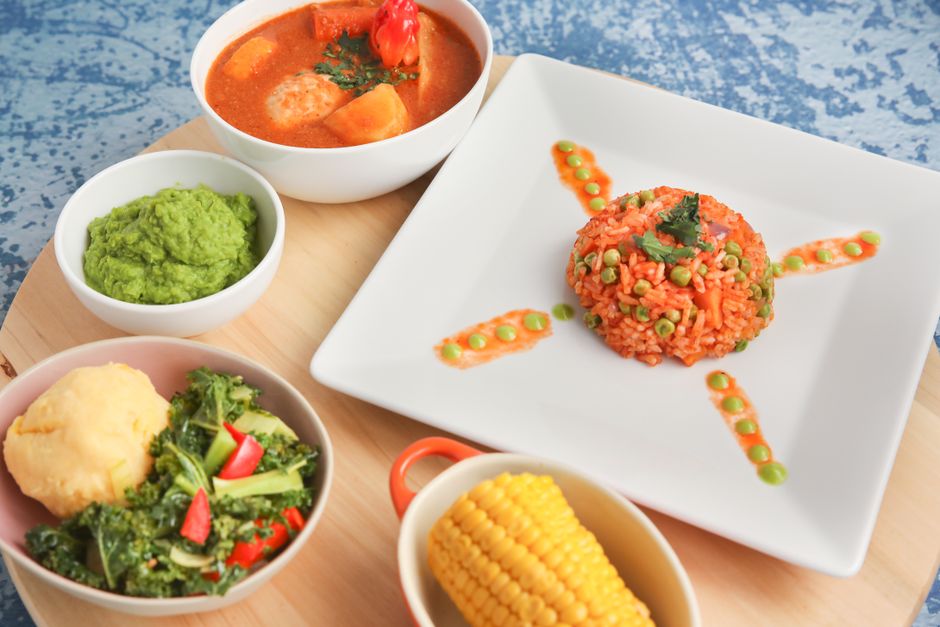
This article dives deep into how cooking strategies and tips vary depending on your experience level. We'll explore essential techniques, equipment choices, and planning methods, tailored specifically for Nigerian cuisine. Whether you're aiming to perfect your jollof rice or experimenting with a new egusi soup recipe, there's something here for you.
The Foundation: Essential Techniques for Beginners
Mastering the Basics
For beginners, the kitchen can be overwhelming. The sizzle of oil, the chop of the knife, and the boil of water might seem intimidating. But starting with basic techniques is crucial.
- Boiling: It's simple yet essential. Learn to boil water first, whether for rice or yam.
- Sautéing: Master this to add flavor quickly. Begin with onions and garlic in vegetable oil.
- Chopping: Knife skills are foundational. Start with simple dice and slices.
Understanding Ingredients
Knowing your ingredients is half the battle. For Nigerian dishes, familiarize yourself with staples like yams, plantains, and a variety of peppers.
"In cooking, understanding your ingredients is as crucial as the cooking itself."
Building Confidence: Intermediate Techniques
Perfecting Your Timing
As you gain confidence, timing becomes crucial. It's the secret to not just edible meals, but memorable ones.
- Simultaneous Cooking: Learn to manage multiple pots. Have your stew simmering while your rice cooks.
- Resting Meats: After cooking, let meats rest to distribute juices evenly.
Experimenting with Flavors
Start exploring flavors. Introduce herbs like thyme and bay leaves into your cooking for depth.
"Experimentation in the kitchen is where good cooks become great."
Expertise in the Kitchen: Advanced Techniques
Mastering Recipes by Heart
Experienced cooks often leave recipes behind. Instead, intuition and taste guide them. Practice cooking jollof rice or pepper soup without a guide.
Innovative Cooking Methods
Advanced cooks can explore beyond traditional methods. Try sous-vide or smoking for a nuanced taste.
- Sous-vide: Cook meat in a water bath for precise temperatures.
- Smoking: Add a smoky flavor to your dishes, a technique more accessible with local woods.
"The kitchen becomes an artist's studio at this level."
Equipment: What You Need at Each Stage
Beginner's Basics
Start simple. A good knife, cutting board, and non-stick pan are essential.
Intermediate Enhancements
As you grow, include a blender for pureeing beans into moi-moi or making pepper sauces.
Advanced Tools
Invest in a pressure cooker or a stand mixer. These can make complex tasks simpler.
Meal Planning: Strategies for Different Levels
Simple Planning for Beginners
Start with weekly planning. Choose easy recipes and prepare a shopping list.
Batch Cooking for Intermediates
Prepare larger quantities and freeze portions. This saves time on busy days.
Weekly Themes for Experts
Create themes like 'Nigerian Nostalgic Week' to explore complex recipes without stress.
Conclusion
Cooking is a journey, not a destination. Whether just starting or perfecting your craft, each step is an opportunity to learn and enjoy. By understanding how advice differs by skill level, you'll not only cook better but also appreciate the process more. Remember, the heart of the home beats strongest in the kitchen.