There's something irresistibly delightful about biting into a warm, fluffy piece of Nigerian Puff-Puff. This beloved snack, often found at street corners and family gatherings across Nigeria, is a staple that brings joy to many. Yet, getting it just right can be a challenge. Whether you're a novice in the kitchen or a seasoned cook, there are unique hurdles at different stages of your culinary journey. Let's explore these challenges and how to overcome them for consistently perfect Puff-Puff.
For beginners, the world of baking can feel daunting. The seemingly simple task of mixing ingredients can go awry, leading to dense, undercooked, or overly oily results. However, advanced bakers might face their own struggles, often in the quest for the perfect texture or experimenting with flavors.
In this article, we'll dive into the common mistakes rookies and experienced bakers make when preparing Puff-Puff, offering tips tailored to each level of expertise.
Understanding the Basics: Beginner Mistakes
Getting the Ingredients Right
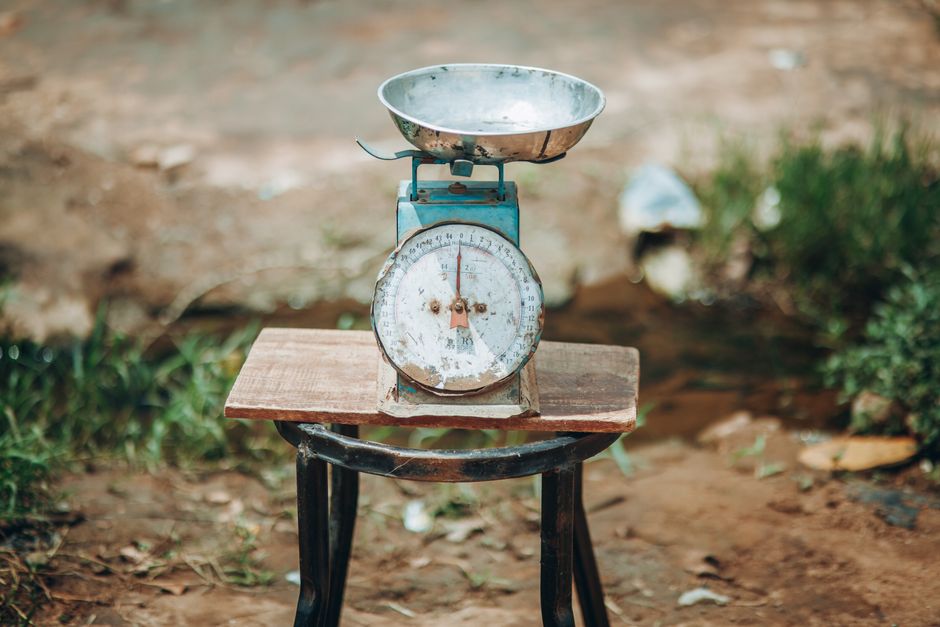
Beginners often overlook the importance of precise measurements. Using too much water or yeast can alter the dough's consistency, resulting in soggy Puff-Puff. Always use a measuring cup for dry ingredients and a measuring jug for liquids. Common starter packs in Nigeria include flour, sugar, and yeast, which can be measured with basic kitchen tools.
"Consistency is key. A sticky dough gives you the perfect Puff-Puff texture."
The Mixing Method
Another frequent issue is improper mixing. Stirring the dough too vigorously can introduce too much air, causing uneven puffing. Gently fold the ingredients with a spatula or wooden spoon until just combined.
- Tip: Use warm water to activate the yeast more effectively.
- Tip: Cover the dough with a damp cloth during resting to maintain moisture.
Advanced Techniques: Challenges for Experienced Bakers
Experimenting with Flavors
Once you've mastered the basics, the temptation to experiment with flavors is high. However, adding too many spices or ingredients can overwhelm the delicate balance. Try incorporating subtle flavors like nutmeg or vanilla in small amounts to enhance, not overpower.
"A little goes a long way with flavor additions. Test small batches to perfect your recipe."
Perfecting the Frying Process
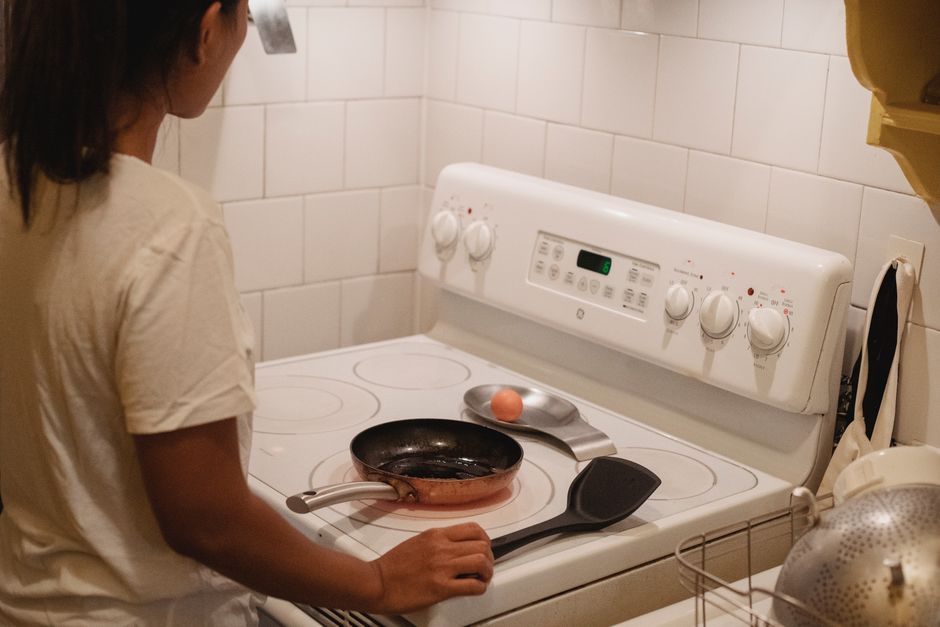
Even experienced bakers might struggle with the frying stage. Managing oil temperature is crucial. Too hot, and your Puff-Puff will be burnt on the outside and raw inside. Not hot enough, and they absorb too much oil. Use a deep fryer or a thermometer to maintain a consistent temperature of about 170-180°C.
- Tip: Maintain a steady heat by frying in small batches.
- Tip: Drain excess oil on paper towels immediately after frying.
The Role of Environment: Both Novice and Expert
Both beginners and seasoned bakers need to consider Nigeria's humid climate. Humidity can affect dough rising times. On particularly humid days, monitor your dough closely, as it might rise faster than expected.
Final Thoughts
Whether you're just starting or have been baking Nigerian Puff-Puff for years, understanding the nuances at each level can vastly improve your results. With the right techniques, even the most daunting kitchen tasks become manageable. Remember, practice makes perfect. Embrace each baking session as a learning experience, and soon, you'll be serving up perfect Puff-Puff that delights every palate.