When my family and I moved into our new home in Lagos, one of the first things that struck us was the state of the kitchen. It was cluttered and chaotic, a jumble of mismatched utensils and gadgets crammed into a small space. Cooking a simple meal felt like preparing for battle, with pots and pans stacked precariously, and countertops buried under layers of forgotten appliances. Something had to change.
As a lover of efficiency and order, I decided to take on the challenge of transforming our kitchen into a minimalist haven. I wanted a space that was not only functional but also aesthetically pleasing, a place where I could prepare meals without feeling overwhelmed. Here’s a step-by-step account of how we achieved a minimalist kitchen that works for our family.
Assessing the Chaos: Understanding What We Had
Taking Inventory
The first step was to assess what we had. I spent a Saturday morning with a notepad and pen, cataloging every item in the kitchen. From the multiple sets of measuring cups to the stray lids with no matching pots, it was an eye-opening exercise. I realized we had duplicates of items we rarely used and a collection of gadgets that didn’t see the light of day.
"You can’t organize clutter, you have to get rid of it." - Marie Kondo
Identifying Essentials
Next, I categorized our kitchen items into essentials and non-essentials. This was where honesty played a key role. Did we really need three cheese graters? Or that bread maker we used only once? Identifying what we truly used helped in determining what needed to stay and what could go.
Letting Go: The Art of Decluttering
The Big Purge
Armed with my list, I embarked on the big purge. This was perhaps the most liberating part of the process. Items that hadn’t been touched in a year were donated to a local charity or given to friends and family. For items that were broken or beyond repair, it was time to say goodbye.
Emotional Attachment
Letting go wasn’t just about physical items. There was an emotional element to it, too. The chipped mug from my college days and the mismatched plates from our first apartment had sentimental value. However, I learned to appreciate the memories without needing to keep the physical items.
Designing the Space: Embracing Minimalism
Choosing a Color Palette
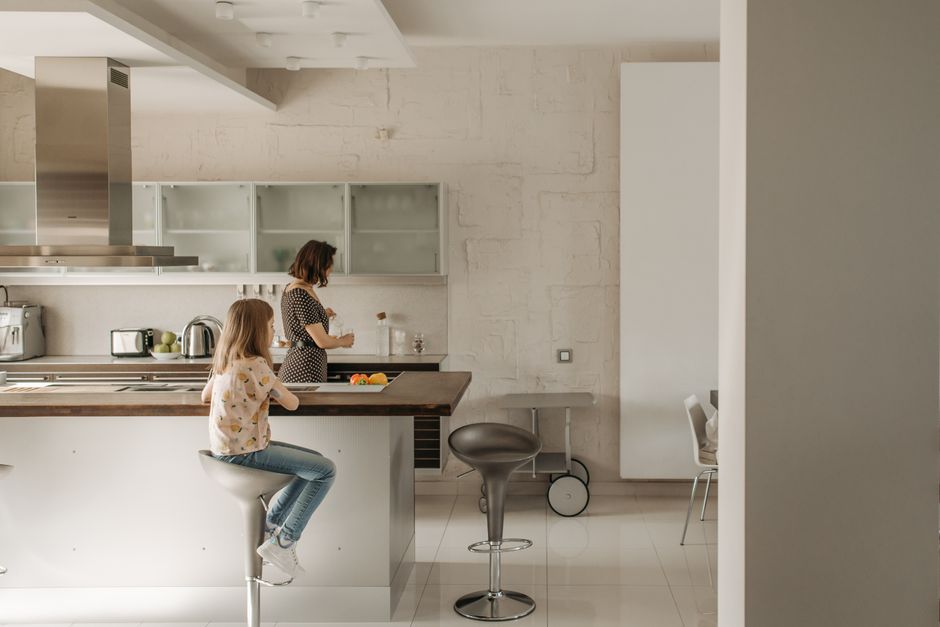
I chose a neutral color palette for the kitchen. Soft whites and grays gave the space a clean and calming vibe. It also made the kitchen appear larger and brighter. A splash of green from a potted basil plant added a touch of life and color without overwhelming the senses.
Investing in Quality
Instead of having multiple low-quality gadgets, I invested in a few high-quality essentials. A good chef’s knife replaced a drawer full of dull knives, and a sturdy cast iron pan became our go-to for everything from frying to baking.
Organizing Effectively: Making the Space Work
Maximizing Storage
With fewer items, organizing became much simpler. I made use of vertical space by installing shelves and hooks for pots and pans. Drawers were fitted with dividers to keep utensils sorted. This not only helped in locating items quickly but also made the kitchen look tidier.
Creating Zones
I divided the kitchen into zones: a prep area, a cooking zone, and a cleaning area. This zoning made workflow seamless. Everything needed for food prep was within arm's reach of the chopping board, while spices and utensils were conveniently placed near the stove.
Maintaining the Minimalist Lifestyle
Regular Check-ins
To keep the kitchen from reverting to its chaotic past, I set a routine of regular decluttering every three months. This helps us stay on top of what we use and prevents accumulation of unnecessary items.
Mindful Purchasing
Now, purchases are made mindfully. Before buying anything new, we consider its necessity and how often it will be used. This practice keeps our kitchen minimalist and functional.
Conclusion
Our kitchen transformation was more than just a project; it was a lifestyle change. By embracing minimalism, we not only improved the functionality and aesthetic of our kitchen but also brought a sense of peace and order into our daily lives. For anyone struggling with a cluttered kitchen, take it from us: a little bit of effort and some strategic changes can make a world of difference.