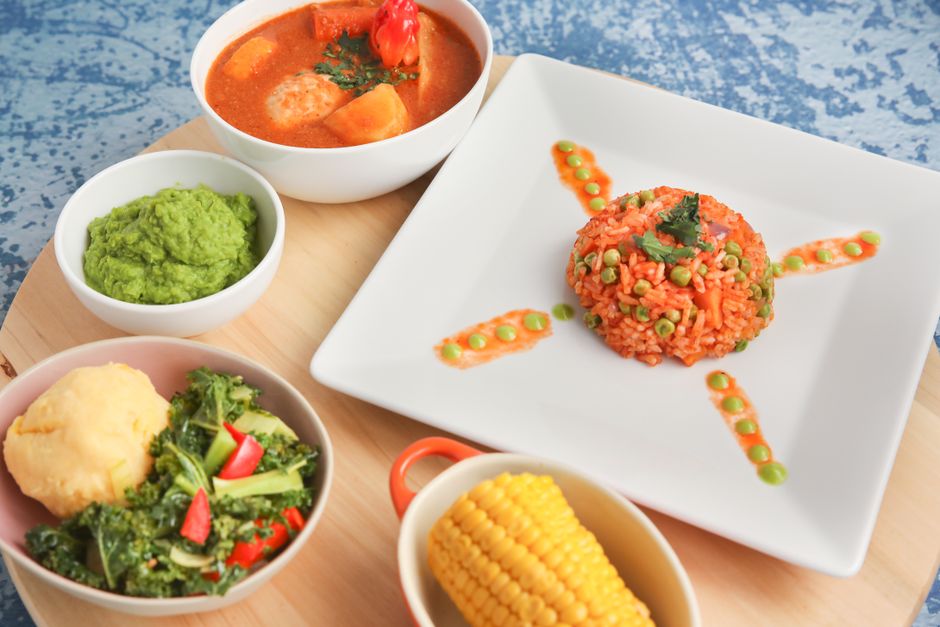
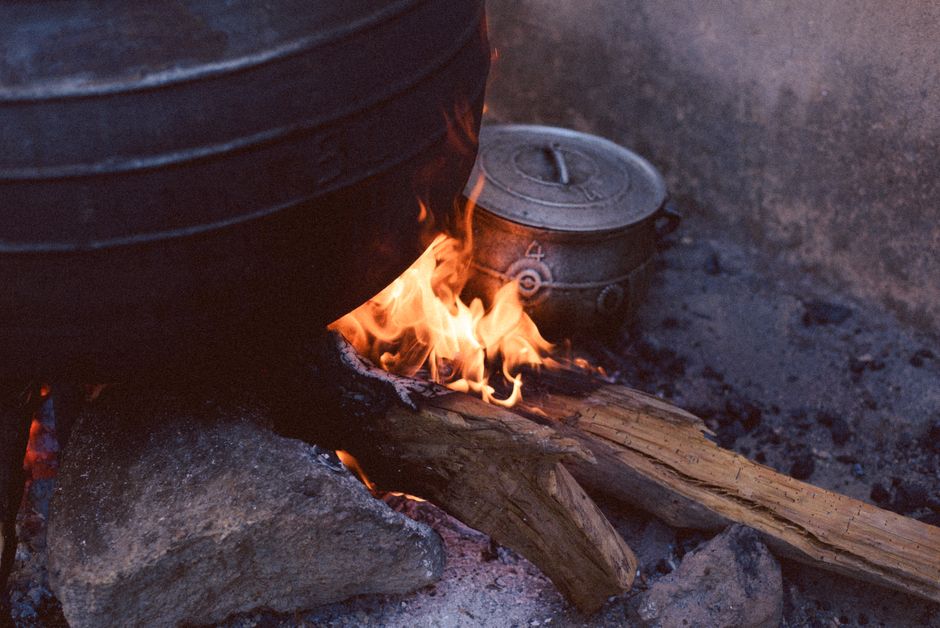
Nigerian stews are more than just a meal; they are a cultural staple, deeply rooted in tradition and bursting with flavor. If you've ever tasted a well-prepared pot of Nigerian stew, you know the joy it brings. But what if you could take your stew game to the next level? Whether you're new to Nigerian cooking or a seasoned chef, enhancing your stews can be a rewarding journey. Let's explore some essential tips that can transform your stews from ordinary to extraordinary.
Start with the Right Ingredients
The foundation of any great stew is its ingredients. Freshness and quality matter. When you begin with top-notch ingredients, you're already halfway to a delicious meal.
Choose Fresh Tomatoes
Tomatoes are a crucial component of Nigerian stews. Opt for ripe, red, and plump tomatoes. In Lagos markets, you'll often find different varieties, each with its unique flavor profile. Fresh tomatoes provide a natural sweetness and tang that processed options can't match.
Include Locally Sourced Spices
Spices are the backbone of flavor in Nigerian stews. Visit your local market and pick up fresh ginger, garlic, and onions. Don’t forget the essential seasoning cubes popular in Nigerian homes. These spices, when fresh, can elevate the taste significantly.
- Ginger: Adds warmth and depth.
- Garlic: Provides a pungent, aromatic flavor.
- Onions: Essential for a sweet, caramelized base.
Master the Art of Frying
Frying is a step that can make or break your stew. It's all about building layers of flavor. Proper frying enhances the color and flavor, setting the stage for a delicious meal.
Use Palm Oil for Authenticity
Palm oil is a common choice for Nigerian stews. It imparts an earthy, authentic taste. However, if you're looking for a lighter option, vegetable oil works too.
Fry Your Tomato Paste
Many people underestimate the power of frying tomato paste. This step reduces the acidity, enhances the sweetness, and deepens the flavor. It’s a small step with a significant impact.
Timing is Everything
Cooking is as much about timing as it is about taste. Timing affects texture and flavor development, making it crucial in stew preparation.
Cook Your Meat Separately
Start by boiling your meat with seasoning until it's tender. This ensures that the meat absorbs all the flavors. Adding the meat to the stew later prevents overcooking and maintains its juiciness.
Simmer for Consistency
Once everything is combined, let your stew simmer. This allows the flavors to meld beautifully. A slow simmer, as opposed to a rapid boil, helps thicken the stew naturally.
Don't Forget the Vegetables
Vegetables add not only nutrition but also texture and color to your stew. Properly incorporating them can make your stew both healthier and more visually appealing.
Add Leafy Greens
Spinach or ugu (fluted pumpkin) leaves are popular choices. They add a burst of color and a subtle earthy flavor. Add them towards the end of cooking to retain their vibrant color and nutrients.
Experiment with Other Vegetables
Carrots, bell peppers, and peas can also be great additions. They introduce sweetness and crunch, enhancing the overall texture and taste.
Finishing Touches Make a Difference
Once your stew is cooked, it’s time for the finishing touches. These small details can refine your dish, making it truly exceptional.
Add Herbs and Aromatics
Fresh herbs like parsley or coriander can add a fresh note. A squeeze of lime or lemon juice just before serving can brighten all the flavors.
Adjust Seasoning
Before serving, taste and adjust the seasoning. Sometimes, a pinch of salt or a dash of pepper is all you need to perfect the flavor balance.
"Cooking is about building flavors. Small steps like frying tomato paste and using fresh herbs can turn a regular stew into a memorable dish." - Chef Amaka, Lagos Culinary School
Conclusion
Enhancing your Nigerian stews doesn’t have to be a daunting task. It's about paying attention to details, from choosing fresh ingredients to perfecting your cooking techniques. With these tips, you can elevate your stews, delighting family and friends with every bite. So next time you’re in the kitchen, try incorporating these techniques. You’ll find that the joy of cooking lies not just in the end result, but in the process itself.