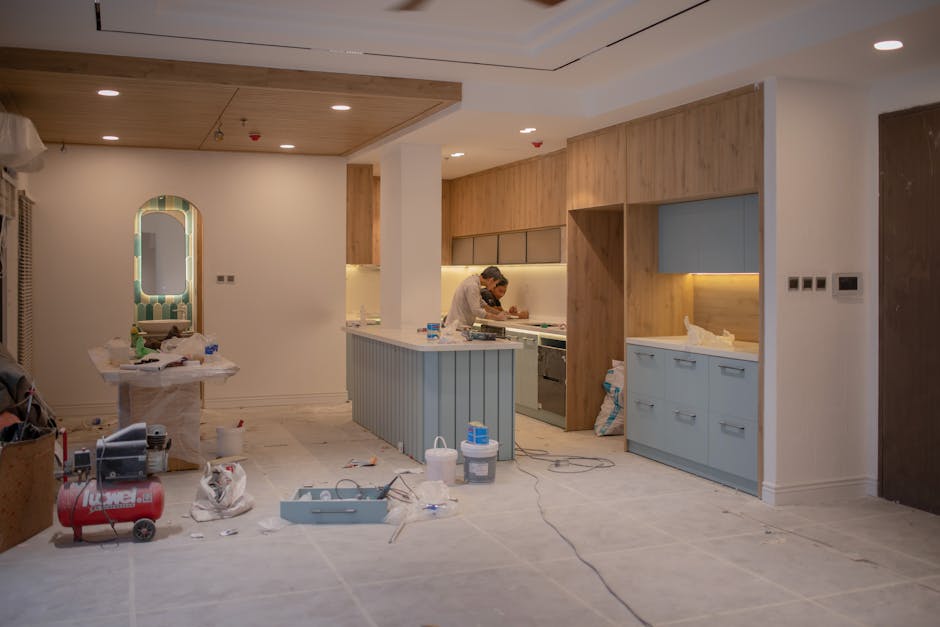
Standing in my newly renovated Lagos kitchen, I can't help but admire the sleek countertops and modern appliances. But getting here wasn't without its challenges. If I could turn back time, there are several things I'd do differently. Renovating a kitchen in Lagos presents unique hurdles that require careful consideration and planning.
One of the first things I now realize is the importance of local resources and expertise. Unlike Western countries, where you can find myriad online resources and DIY guides tailored to your exact needs, Lagos often requires a more hands-on, on-the-ground approach.
For those planning a similar renovation, I've gathered a few insights that might save you time, money, and a little bit of sanity.
Understanding the Local Market
When I first envisioned my kitchen, I had grand ideas sourced from glossy magazines and Pinterest boards. However, the reality of sourcing materials in Lagos quickly brought me down to earth.
Research Local Suppliers
One of my early mistakes was not thoroughly researching local suppliers. I initially leaned towards importing tiles and fixtures, thinking they'd be of higher quality. This was a costly error. I discovered later that local markets like the Lekki Arts & Crafts Market have excellent materials at competitive prices. Plus, buying local supports the community.
- Visit local markets to compare quality and prices.
- Engage with vendors to understand the availability and durability of materials.
"Invest time in knowing your local options. You might just find a gem close to home."
Engage Local Expertise
Initially, I hired a foreign contractor, assuming international experience would be beneficial. While this has its perks, I quickly learned that local contractors better understand the specific challenges posed by the Lagos climate and infrastructure.
A local contractor gave me insights on how to better ventilate my kitchen and which materials hold up against the humid climate. These are things only someone familiar with the area could advise on.
- Meet multiple contractors and ask for local references.
- Discuss your specific needs and see how they plan to meet them.
Budgeting and Financial Planning
Financial surprises are inevitable in any renovation, but Lagos presents its own set of unexpected costs. If there's one piece of advice I can offer, it's to budget with a wider financial margin than you think necessary.
Account for Hidden Costs
One of the first lessons I learned was the prevalence of hidden costs. From import duties on foreign appliances to fluctuating local currency, these hit my budget hard.
- Factor in a 20% buffer for unexpected expenses.
- Be prepared for fluctuations in exchange rates if purchasing imported goods.
Explore Financing Options
Initially, I planned to pay out of pocket and quickly found my finances stretched. Lagos offers various home improvement loans that could be the lifeline you need.
- Research different financial institutions for competitive interest rates.
- Assess your eligibility for government-backed renovation loans.
Time Management and Scheduling
They say time is money, and nowhere is this truer than in Lagos. A well-managed timeline can make or break a renovation project.
Set Realistic Timelines
My initial timeline was wildly optimistic, assuming a six-month completion. However, local realities, like rainy seasons and public holidays, extended my timeline by another three months.
- Account for climatic and cultural factors in your project timeline.
- Regularly check in with your contractor to ensure deadlines are being met.
Prepare for Delays
Delays are inevitable, especially when dealing with multiple suppliers and contractors. I learned the hard way to always have contingency plans.
- Identify critical path items early on.
- Have backup suppliers for essential materials.
Design and Functionality
While aesthetics often take center stage, functionality is key.
Balance Style with Practicality
My love for open shelving seemed like a great idea until the Lagos dust made it impractical. Closed cabinets turned out to be a much wiser choice.
- Consider the local environment when choosing design elements.
- Opt for easy-to-clean surfaces and durable finishes.
Plan for the Future
I initially designed the kitchen solely for my current needs, only to realize I should have future-proofed it for potential changes in household size or lifestyle.
- Think about how your needs might evolve over the next decade.
- Consider energy-efficient appliances and sustainable materials.
Conclusion
In retrospect, renovating my Lagos kitchen was an enlightening experience. Although it came with its fair share of challenges, each hurdle taught me valuable lessons. If you're planning your own kitchen makeover, take these insights to heart. Engage local expertise, prepare financially, manage your time wisely, and design with both style and practicality in mind. Your dream kitchen is within reach, and with careful planning, it can become a reality.