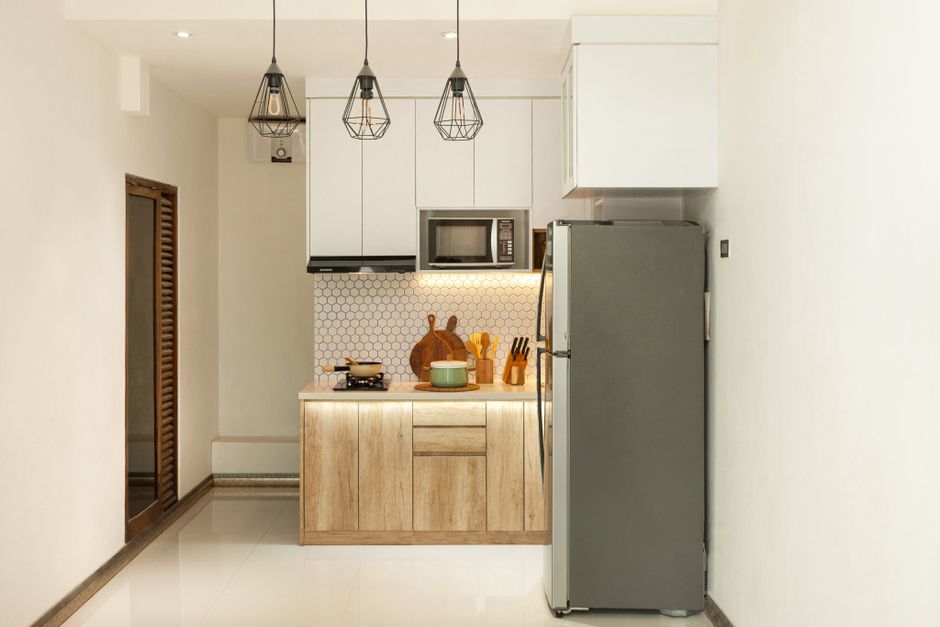
When I first designed my small kitchen in Lagos, I thought I had everything perfectly planned. From the modern sleek countertops to the latest appliances, it all seemed like a dream. However, living with my choices revealed some glaring missteps. Let's delve into what I would change if I could start over.
The kitchen is often termed the heart of the home, and for a good reason. In Lagos, where space is at a premium, designing a functional kitchen requires a blend of creativity and practicality. Upon reflection, I realize that some of my initial choices, though aesthetically pleasing, did not quite meet the mark in terms of functionality and space optimization.
Space Utilization: Avoiding Overlooked Corners
One of my biggest regrets is underestimating the potential of kitchen corners. Initially, I left them as dead spaces, thinking they were unusable. But in a small Lagos kitchen, every inch counts.
The Magic of Corner Shelves
Installing corner shelves can dramatically increase your storage capacity. They are perfect for storing spices, small utensils, or even decorative items that add a personal touch to your kitchen. If I had known this earlier, I would have optimized those corners for maximum utility.
Lazy Susans for Easy Access
A Lazy Susan can transform an awkward corner into a practical storage space. Placing one in a corner cabinet can make accessing pots and pans effortless, something I sorely missed.
Choosing the Right Appliances
In my initial setup, I was lured by the allure of shiny, high-tech appliances. But not all that glitters is gold, especially when it comes to fitting them into a compact kitchen.
Size Matters: Opting for Slimmer Models
A full-sized fridge might seem like a necessity, but in retrospect, a slimmer model would have sufficed. It would have saved me valuable space while still meeting my storage needs.
Multifunctional Appliances
Investing in multifunctional appliances, such as a microwave with convection oven capabilities, can save both space and money. This is a lesson I learned the hard way.
Lighting: The Underrated Element
When it comes to kitchen design, lighting is often an afterthought. But inadequate lighting can make a kitchen feel cramped and uninspiring.
Layered Lighting for Ambiance
Incorporating layered lighting, combining overhead lights with under-cabinet and task lighting, can make a kitchen appear larger and more inviting. This approach would have greatly enhanced my cooking experience.
LED Strips for Under Cabinets
Installing LED strips under cabinets provides a chic look and practical illumination that was missing in my initial design.
Cabinetry: Thinking Inside the Box
While choosing the cabinetry, I prioritized style over storage. This decision came back to haunt me as I struggled with organizing my kitchen essentials.
Adjustable Shelves: Flexibility is Key
Opting for cabinets with adjustable shelves allows you to customize the storage to fit your needs. This is a feature I wish I had considered more seriously.
Pull-Out Pantry Drawers
Incorporating pull-out drawers in the pantry can make accessing groceries much simpler. It was a missed opportunity that I would rectify in a redesign.
Aesthetic Choices: Beyond Beauty
While aesthetic appeal is important, function should never be compromised. I chose glossy white tiles and reflective surfaces, thinking they'd make the small space appear larger, but they proved difficult to maintain.
Durability Over Aesthetics
Choosing durable, easy-to-clean materials is crucial. My experience taught me that practicality should always come first.
Color Palette: Warm and Welcoming
Warm color tones can make a kitchen feel cozy and inviting, a vibe I initially overlooked in my design.
Final Thoughts
Designing a kitchen is a balancing act between form and function. While it's easy to get swayed by trends, it's imperative to prioritize what works best for your space and lifestyle. Reflecting on my experience, I realize that making smarter choices could have made my kitchen far more functional and enjoyable. If you're planning a kitchen design in Lagos, consider these lessons learned to avoid common pitfalls and create a space that truly works for you.